
Biologics, including monoclonal antibodies, vaccines, and recombinant proteins, are exceptionally sensitive to environmental factors.
Eveninfinitesimal levels of oxygen, moisture, or microbial ingress can trigger protein aggregation, oxidation, or loss of sterility, rendering the therapy ineffective or hazardous.
Key Takeaways of This Guide:
- Understanding the regulatory pillars of Container Closure System (CCS) qualification for biologics.
- Utilizing advanced testing platforms to screen designs and materials rapidly.
- Implementing " Worst-Case " study designs to gain early stability insights.
What Does “Qualification” of CCS for Biologics Really Require?
Regulatory bodies, including the FDA and EMA, expect documented evidence that a CCS protects the biologic's quality attributes throughout its shelf life. Qualification is not a single event but a comprehensive demonstration of suitability.
Regulatory Expectations
The biologics license application (BLA) must include data proving the CCS is " non-reactive, non-additive, and non-absorptive." Most importantly, it must demonstrate a validated sterile barrier through container closure integrity testing.
Core Elements of Qualification
- Container Closure Integrity (CCI): Proving that the interface between the vial and stopper, or the syringe barrel and plunger, prevents the passage of microorganisms and gases.
- Barrier Performance: Quantifying how well the materials (glass, elastomers, or polymers)limit water vapor and oxygen transmission, which is vital for the stability of lyophilized or liquid-stable biologics.
- Functional and Mechanical Performance: Ensuring that the physical components, such as flip-off caps, crimp seals, and plunger rods, function correctly during administration and withstand the rigors of the supply chain.
- Stability Integration: CCS performance must be integrated into real-time and accelerated stability programs to monitor how aging affects seal and barrier integrity.
How Advanced Packaging Test Platforms Accelerate CCS Evaluation
Traditional qualification methods can be slow and destructive. Modern, highly sensitive platforms allow R & D teams to generate high-fidelity data earlier in the development cycle, reducing the risk of late-stage failures.
Rapid Screening with Sensitive Leak Testing
By using a high-sensitivity package leak tester, manufacturers can rapidly screen multiple CCS designs. Labthink’s vacuum decay & pressure decay method based non-destructive CCI testing systems allow for the detection of micro-leaks in vials and syringes without damaging the sample. This enables teams to identify high-risk configurations (e.g.,sub optimal crimping force) in days rather than months.
Labthink Solution: Labthink PACKAGE NON-DESTRUCTIVE LEAK Detectors are based on the vacuum decay method and pressure decay method, and is designed and manufactured according to ASTM F2338 and other standards. It is professionally suitable for the trace leakage detection of various drug packaging such as vials, ampoule bottles, cartridge bottles, infusion bottle, and prefilled syringes and so on. 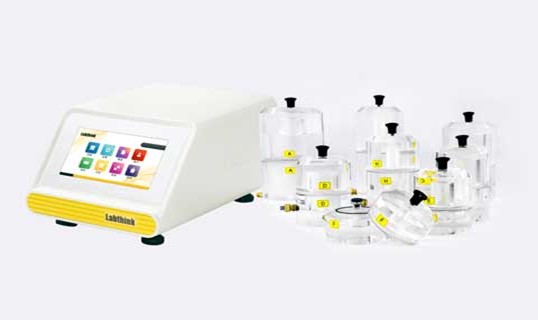 |
Comparative Barrier Analysis
Selecting the right material is essential for moisture-sensitive biologics.
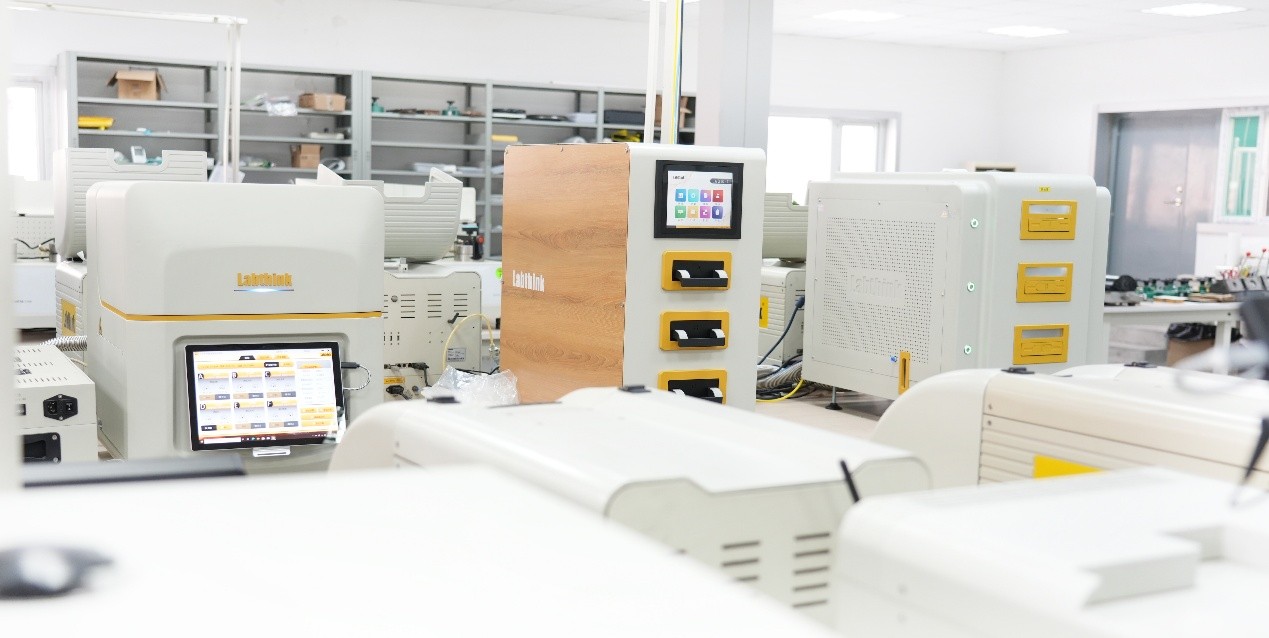
Labthink Solution: The Water Vapor/Oxygen Transmission Rate Combo Test Systems allow for the simultaneous testing of candidate materials. This data enables engineers to compare different elastomeric stoppers or polymer vials against the biologic's specific sensitivity profile, ensuring the best match from day one. |
Mechanical Integrity under Stress
It is critical to confirm that seals remain intact during mechanical handling.
Labthink Solution: Tensile and Seal Strength Testers (like the C610 series) can evaluate the torque required for closures or the force needed to move a syringe plunger. These tests ensure that the CCS withstands the physical stresses of high-speed filling lines and global transport. |
Simulating Environmental Conditions
Modern platforms allow for environmental conditioning (exposure to specific temperature and humidity) followed by immediate integrity testing. This simulates real-world storage efficiently, providing a snapshot of how the CCS will behave in the global cold chain.
Design Strategies to Qualify New CCS Faster
Speed in qualification is achieved through smarter engineering and risk-based mapping, not by reducing the volume of data.
- Risk-Based Failure Mode Mapping: Identify potential failure points early, such as oxygen ingress in pre-filled syringes or seal leaks in cryogenic vials. Focus your testing resources on these " worst-case " scenarios to stress the system where it is most likely to fail.
- Development-Phase Comparisons: Use high-throughput testing platforms during the prototype phase to discard underperforming CCS options. This ensures that only the most robust configurations proceed to formal validation.
- Accelerated " Snapshot " Studies: Pair accelerated thermal stress with non-destructive leak testing. If a CCS maintains its integrity after exposure to elevated temperatures, it provides high confidence in its long-term stability even before the two-year stability markers are reached.
- Platform Transferability: Standardize your testing methods across different formats (vials, cartridges, and syringes). By using shared Labthink platforms, the acceptance criteria and test methods become transferable, significantly shortening the qualification timeline for subsequent pipeline products.
Data-Driven Confidence in Biologic Packaging
Qualifying a container closure system for pharmaceuticals is a critical path in biologic development. By moving away from subjective methods and adopting high-precision, traceable testing platforms, manufacturers can ensure their packaging is as innovative as the therapy it contains.
Labthink provides the high-end instrumentation necessary to validate the most complex packaging systems. Our global expertise in barrier performance, seal strength, and container closure integrity testing ensures that your qualification data is accurate, repeatable, and ready for regulatory scrutiny. We help you transition from the lab to the patient faster, with the certainty that your product’s integrity is never compromised.