
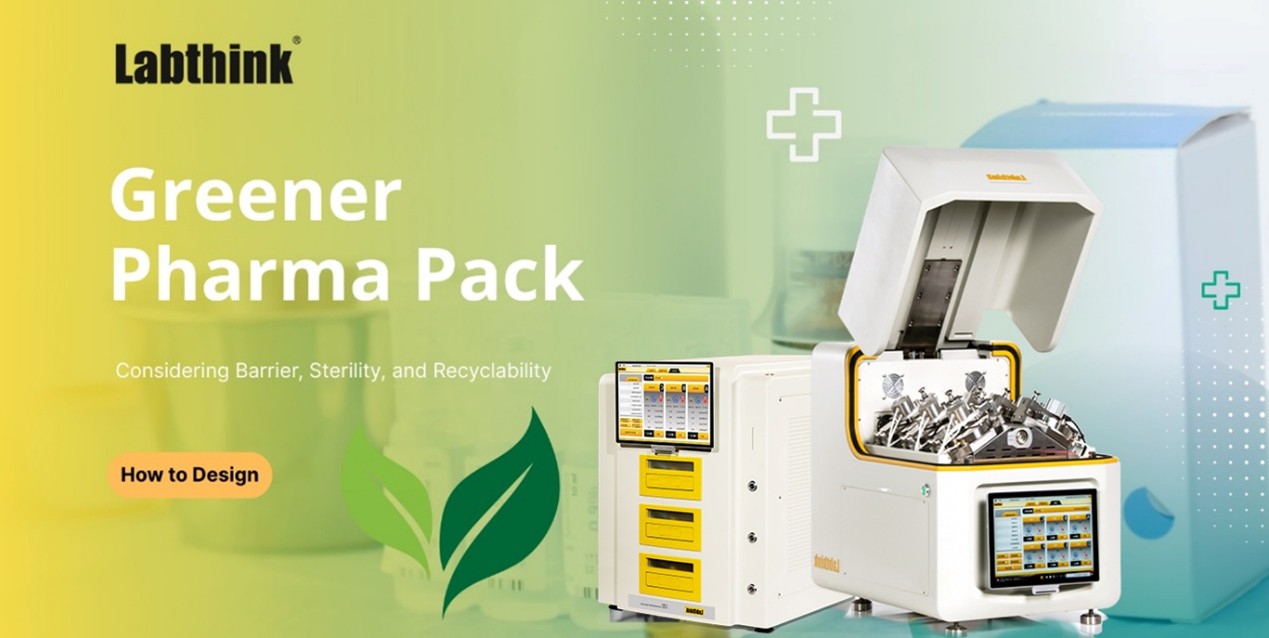
The pharmaceutical industry faces a unique challenge: reducing its environmental footprint while ensuring that life-saving medications remain safe and effective. Unlike consumer goods, sustainability in pharma cannot come at the expense of the sterile barrier or product stability.
A "greener " design in this sector is defined by more than just a recycling logo. It encompasses the entire lifecycle of the product, focusing on Material Efficiency (using less plastic or glass) and Waste Prevention(extending shelf life to prevent the disposal of expired drugs).
This blog explores how manufacturers can validate sustainable designs without compromising the critical protections required for patient safety.
Key Takeaways of This Guide:
- Understanding why "Source Reduction " is often more viable than recycling for primary packaging.
- How to use barrier and integrity data to justify thinner, " greener " materials.
- Strategies for transitioning to mono-material structures while maintaining shelf life.
What Does “Greener” Mean for Pharma Packs?
In most industries, " green " is synonymous with " recyclable." However, the pharmaceutical reality, particularly for parenteral products, demands a more nuanced definition.
The Recyclability Reality in Healthcare
It is essential to clarify that primary parenteral packaging, such as vials, bottles, prefilled syringes, and IV containers, is typically not recycled.
Due to the risk of biological contamination and strict medical waste regulations, these items are usually incinerated or sent to specialized landfills. Therefore, designing these specific packs for recyclability is often less impactful than designing them for Source Reduction.
The New Sustainability Focus
- Source Reduction (Downgauging): By utilizing high-precision manufacturing and advanced testing, companies can move toward thinner, lighter containers. This "down gauging" reduces the raw material consumed and the carbon footprint of transportation.
- Extending Potency via Shelf Life: Reducing the volume of expired drug waste is a massive sustainability goal. Superior barrier performance directly correlates to longer shelf lives, ensuring that fewer doses are wasted.
- Non-Negotiable Sterility: Regardless of the material’s "green" credentials, the sterile medical packaging must prevent microbial ingress throughout its entire lifecycle.
Balancing Barrier and Sterility with New Materials
Any change in material, such as moving from multi-layer laminates to mono-material films or using bio-based polymers, must be supported by empirical data. Labthink’s testing platforms provide the traceable evidence needed to support these transitions.
Validating New Material Benchmarks
When a manufacturer replaces a standard film with a more sustainable alternative, they must prove the new material matches the protective performance of the original.
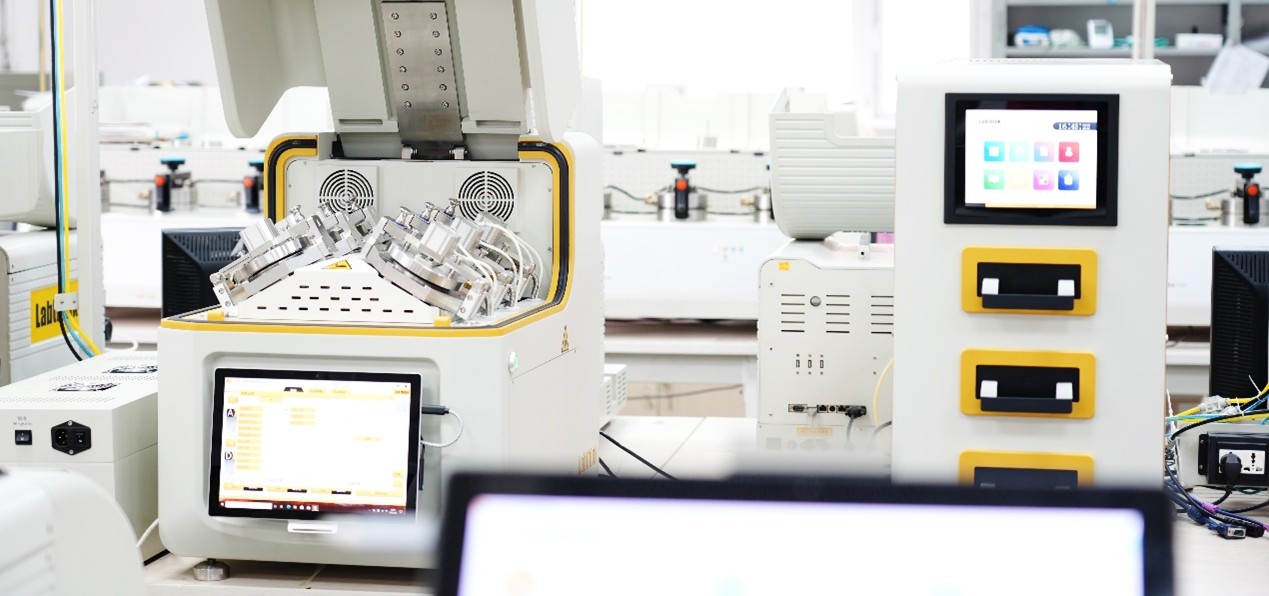
Labthink Solution: Use Combo Oxygen and Water Vapor Transmission Rate Testers to compare the barrier efficacy of candidate "green" materials against current benchmarks. This ensures the drug's sensitivity to oxygen or moisture is still fully addressed.
|
Integrity and Leak Testing for Lighter Designs
Lighter, thinner (downgauged) packaging or mono-material blisters can be more susceptible to micro-cracks or seal failures during high-speed filling.
Labthink Solution: Perform rigorous package leak testing to confirm that "greener" structures maintain a total sterile barrier through processing, storage, and the rigors of distribution.
|

Mechanical Properties and Sterilization Compatibility
Sustainable materials must withstand sterilization (Ethylene Oxide, Gamma, or Autoclave) without degrading.
Labthink Solution: Evaluate mechanical properties, such as seal strength, puncture resistance, and tensile strength, using Labthink C610 Series Tensile Testers. Testing these properties post-sterilization ensures that the "green" pack hasn't become brittle or compromised by the sterilization cycle.
|

Designing for Recyclability and Circularity
While primary packaging has limitations, secondary packaging and certain non-parenteral primary packs (like blister trays for oral solids) can be designed for the circular economy.
The Shift to Mono-Materials
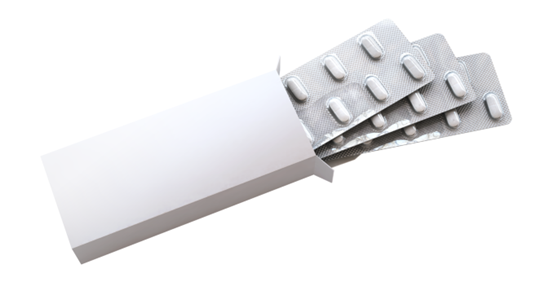
Traditional blisters often use a complex mix of PVC and Aluminum, which is nearly impossible to recycle. "Greener" designs favor mono-material concepts, such as PP-based or PET-based structures.
The challenge is ensuring these mono-materials provide an adequate moisture barrier. Use shelf life stability testing during the design phase to justify these material shifts.
Data-Driven Downgauging
Using testing data to justify thinner materials allows for lighter packs with the same level of protection. For example, by proving that a 10% reduction in plastic thickness does not result in a significant increase in oxygen transmission, manufacturers can meet sustainability targets with confidence.
Secondary Packaging and Distribution
Secondary packaging (cartons and inserts) should Favor Fiber-based or recycled content. It is vital to use Box Compression Testers to ensure these recycled materials still offer the stacking strength necessary to protect the primary pack from mechanical damage during global transit.
Engineering a Sustainable Future with Labthink
Labthink’s dedicated to supporting the transition to sustainable medical packaging. Our high-end instruments provide the accuracy and traceability required to validate new materials and thinner designs.
Whether you are performing shelf life testing on a new bio-based film or validating the integrity of a mono-material blister, Labthink provides the data you need to ensure your "green" initiatives are technically sound and regulatory-compliant.
Contact us today to get more packaging testing solutions.