
With the increasing use of bio-based composites in food contact applications, safety concerns have gained attention in the European market. Materials combining polymers with natural fibers such as bamboo or wood are often promoted as sustainable alternatives, but compliance with food safety regulations remains essential.
Under EU requirements, food contact materials must meet strict rules on authorized substances and migration limits. In particular, both overall migration and specific migration must be verified for the final product. However, some composite materials have shown risks of releasing substances beyond acceptable limits, especially under high temperature or acidic conditions.
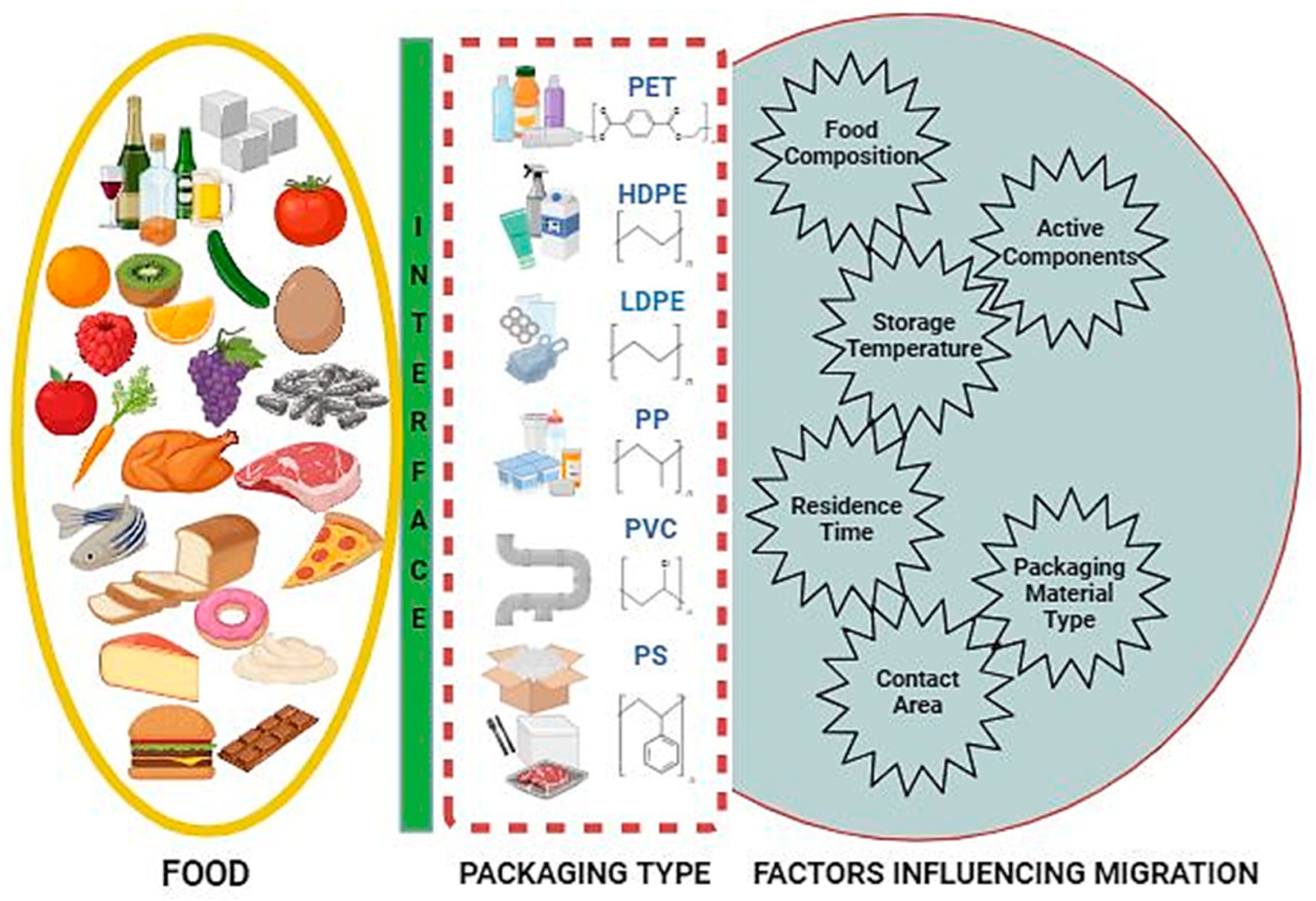
The most comprehensive EU measure is Commission Regulation (EU) No10/2011 on plastic materials and articles. It establishes requirements for the composition of plastic food contact materials (FCMs) and defines a Union List of substances permitted for their manufacture.
The Regulation also sets specific restrictions on the use of these substances and outlines the criteria for assessing compliance of plastic materials and articles.
To ensure overall safety, the total migration of all substances into food must not exceed the Overall Migration Limit (OML) of 60 mg/kg of food or10 mg/dm2 of the contact surface.
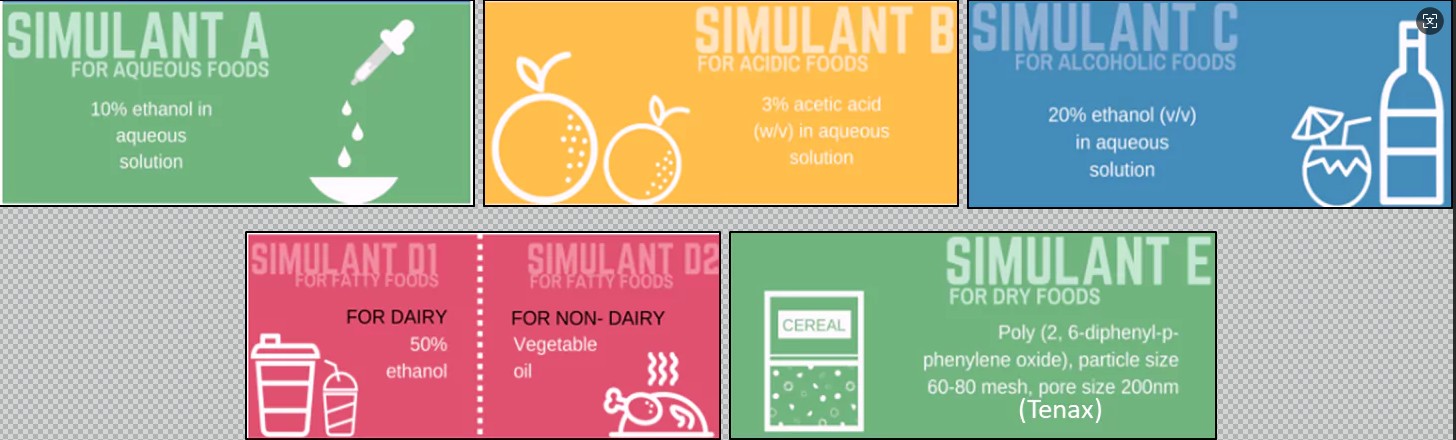
In addition, the Regulation provides detailed rules for migration testing. While testing with actual food is preferred, migration is typically evaluated using food simulants. These simulants represent different food categories; for example, 3% (w/v) acetic acid is used to simulate acidic foods.
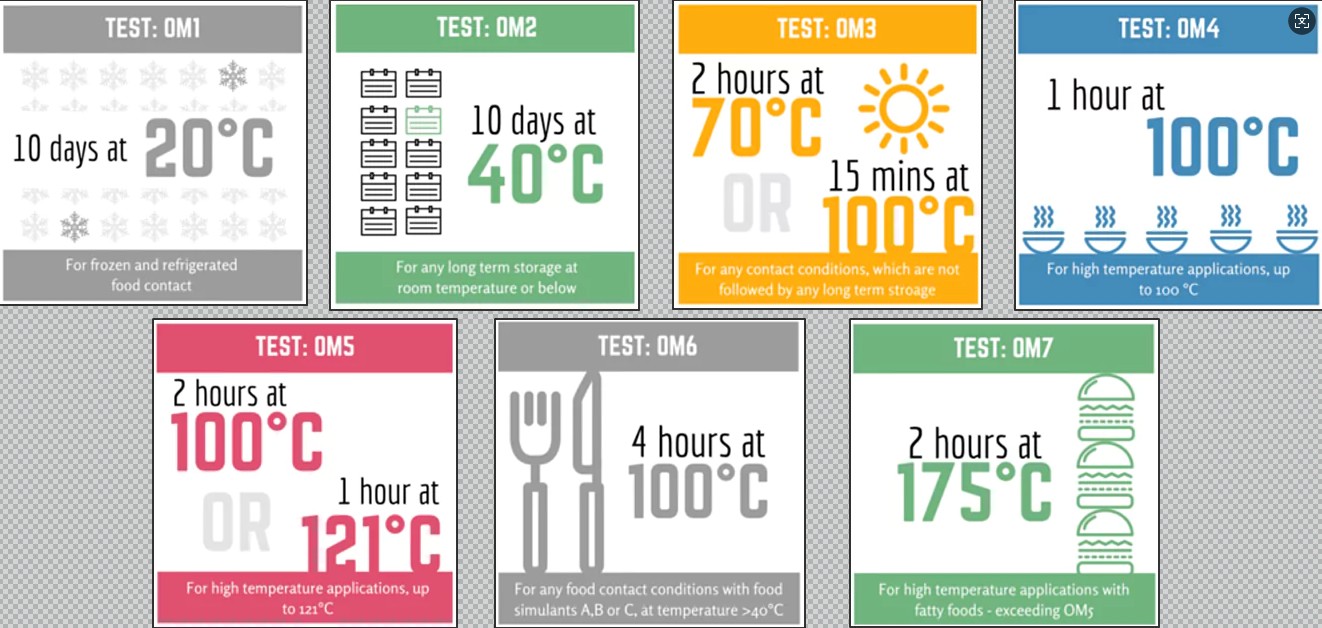
Migration testing is conducted under standardized time and temperature conditions that reflect the intended use of the material and cover the maximum expected shelf life of the packaged food.
To ensure accurate and repeatable results, advanced systems such as Labthink C840H Residue on Evaporation Testing System offer a controlled and automated solution. By precisely managing evaporation conditions and gravimetric analysis, C840H enables consistent determination of migration residues while minimizing external interference.
Test Procedure
- Instrument Preparation
Power on the electrical control module and reagent recovery module, and ensure the liquid cooling module is in standby mode. Confirm that the laboratory ventilation and exhaust systems are functioning properly. - Empty Cup Test
Clean the test cups, place them into the instrument, and perform an empty cup test. - Sample Preparation
Prepare the samples and food simulants according to the test requirements. Place them into the migration cells and conduct immersion under specified conditions. - Parameter Setup and Test Start
After the empty cup test is completed and before the immersion time ends, set the test parameters, including reagent type, test mode, test conditions, and corresponding cup parameters.
Once configured, return to the test interface, click “Unload” to remove the cups, pour the blank and sample immersion solutions into the corresponding test cups, then click “Load” and “Start” to begin the test. - Automatic Test Execution
The instrument automatically performs weighing according to the set parameters and stops when the required conditions are met. The software then automatically calculates the evaporation residue. - Cleaning and Repetition
Clean the test cups and repeat steps (2)–(5) to test other immersion solutions.
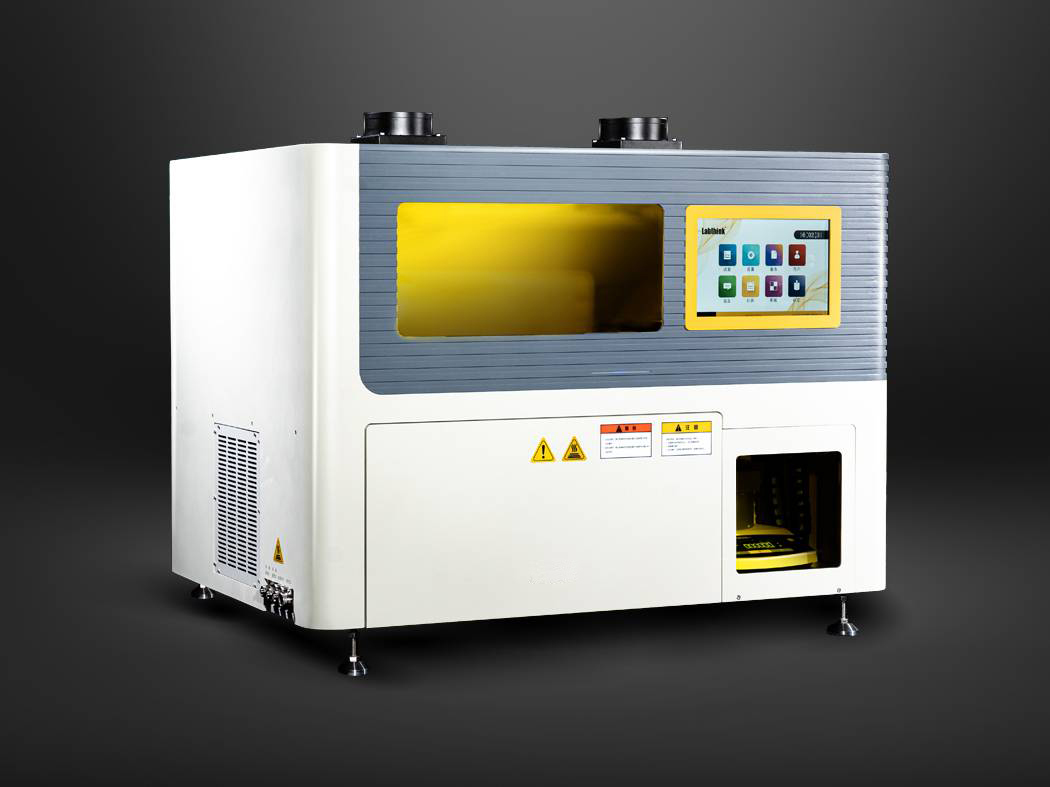
This allows laboratories to efficiently obtain dependable overall migration data and confidently demonstrate compliance with regulatory requirements.
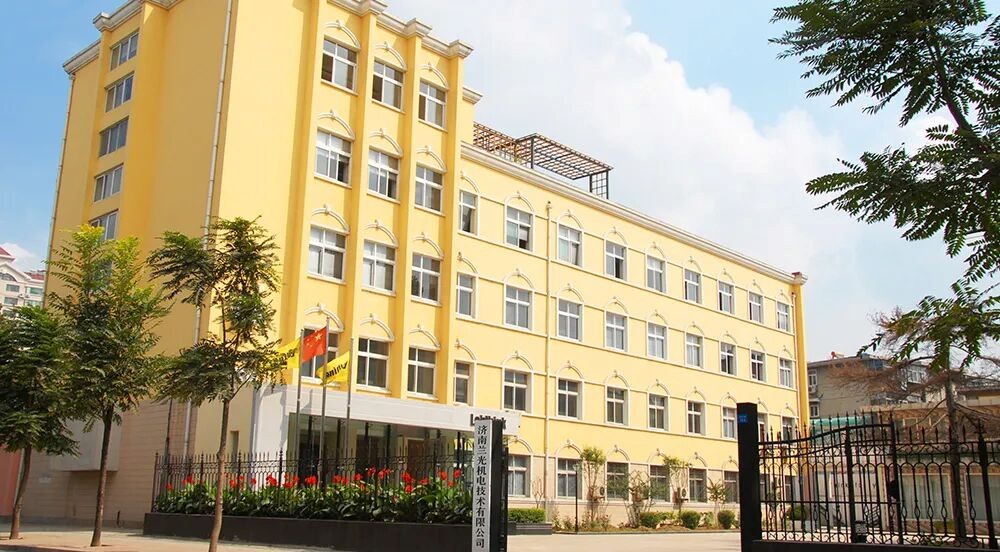 | Labthink is a multinational company with advanced testing technology as its core competence, headquartered in Jinan, China. Established in 1989, Labthink is a global provider of testing instruments and system solutions for packaging and advanced film materials. With a worldwide presence across the Americas, Europe, Asia-Pacific, and Africa, Labthink serves customers in over 110 countries and regions. The company focuses on eight key quality testing fields, including barrier properties, hazardous gases, glass packaging, chemical products, headspace gas analysis, green energy and automotive interiors, tobacco packaging, and flexible packaging. Labthink has earned strong market recognition and holds a leading position in multiple niche sectors worldwide. |