
The Integrated Loss on Drying Testing System series is developed based on the rigorous gravimetric testing principle and strictly adheres to international and domestic testing standards, including the Pharmacopoeias of China, the United States, Europe, the United Kingdom, Japan, and relevant standards for the chemical and food industries. The system is dedicated to transforming the traditional cumbersome manual loss on drying tests into a fully automated and standardized precision testing process, providing pharmaceutical, chemical, and food industry laboratories with a one-stop fully automatic solution covering sample drying, cooling, and precision weighing.
This series adopts a dual-chamber independent design. Equipped with a precision robotic gripper and automation control system, it achieves a complete automated closed-loop operation of “drying–cooling–room-temperature weighing–constant weight,” thoroughly resolving the pain points of traditional manual testing, such as susceptibility to environmental interference, large human errors, and low detection efficiency. The product integrates an intelligent design supporting forward/reverse rotation control and free setting of cup numbers, an autonomous liquid-cooling circulation system with automatic water filling/drainage and liquid level detection, and an automatic weighing temperature adjustment algorithm. While simplifying the test cup filling process, it ensures a precisely controllable weighing environment.The software system strictly complies with GMP data traceability requirements and 21 CFR Part 11, and includes multi-level user permission management and electronic signature functions. In addition, the fully sealed zero-leakage test chamber design, combined with an intelligent safety protection system, comprehensively safeguards personnel safety and environmental friendliness while enhancing laboratory testing efficiency, leading loss on drying detection toward a new realm of standardized, intelligent, and unmanned smart laboratories.
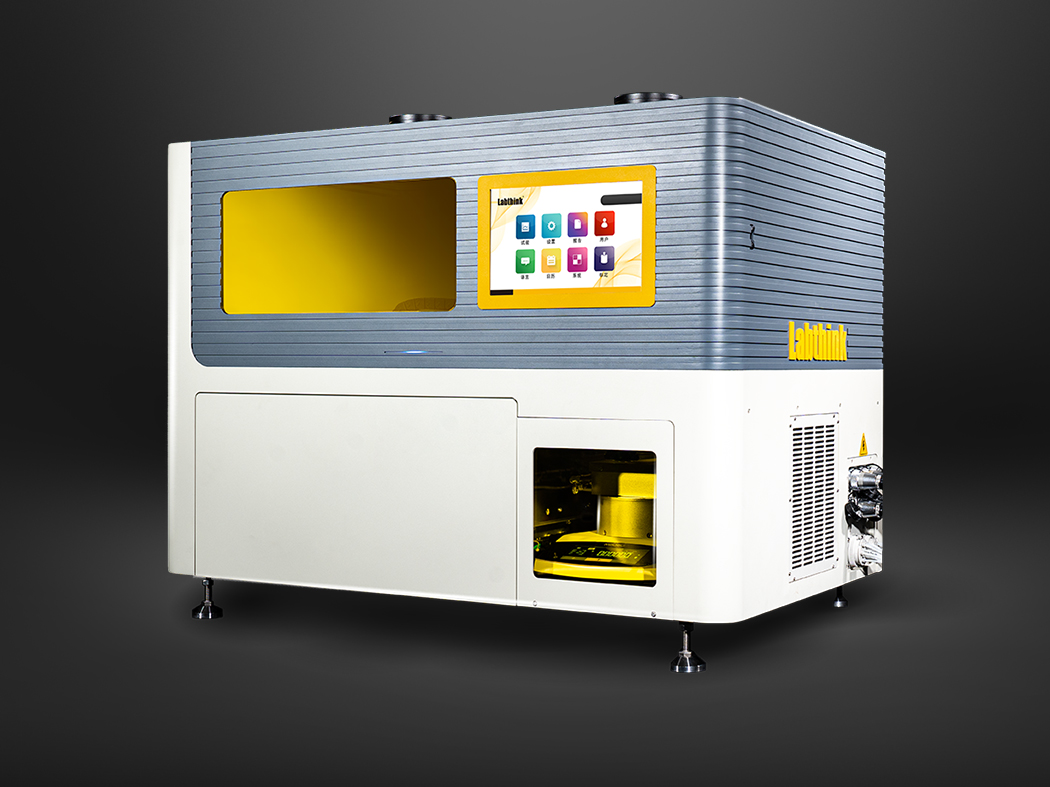
C870H Integrated Loss-on-Drying Testing System
C870H Integrated Loss-on-Drying Testing system is based on the gravimetric method and is designed and manufactured in accordance with pharmacopoeias and testing standards of the food and chemical industries. It is professionally suitable for loss-on-drying testing in the above-mentioned fields.
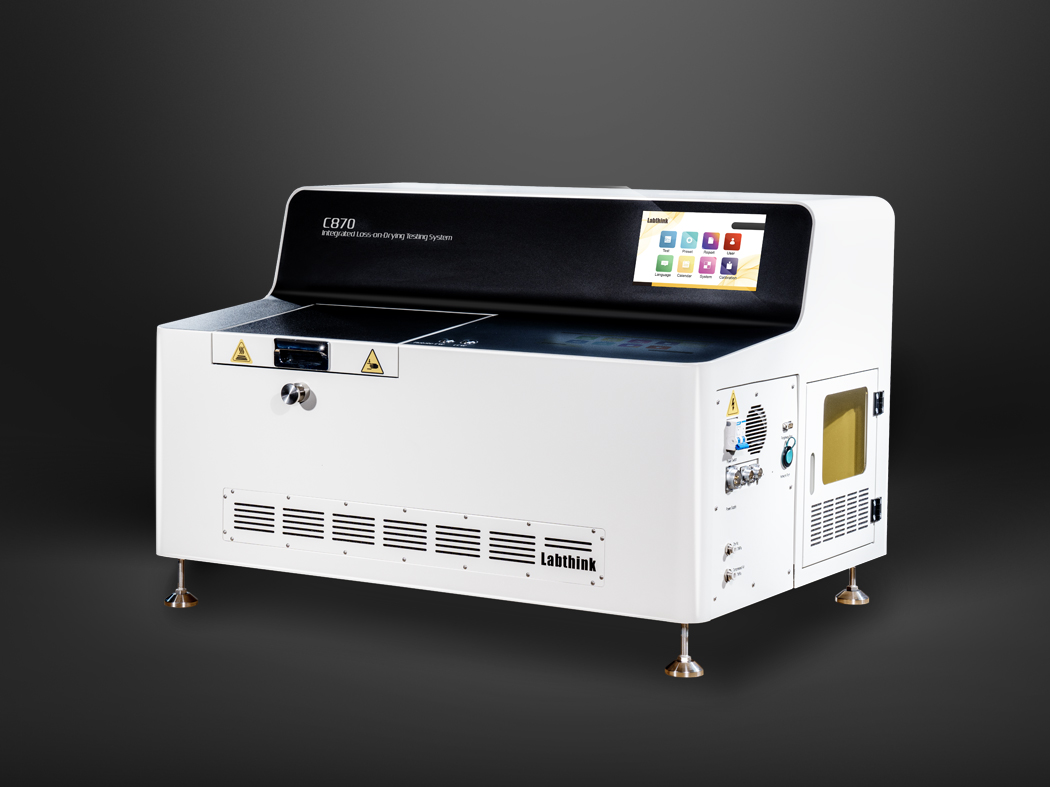
C870M Integrated Loss-on-Drying Testing System
C870M Integrated Loss-on-Drying Testing System is based on the gravimetric method and is designed and manufactured in accordance with pharmacopoeias and testing standards of the food and chemical industries. It is suitable for loss-on-drying testing in the above-mentioned fields.