
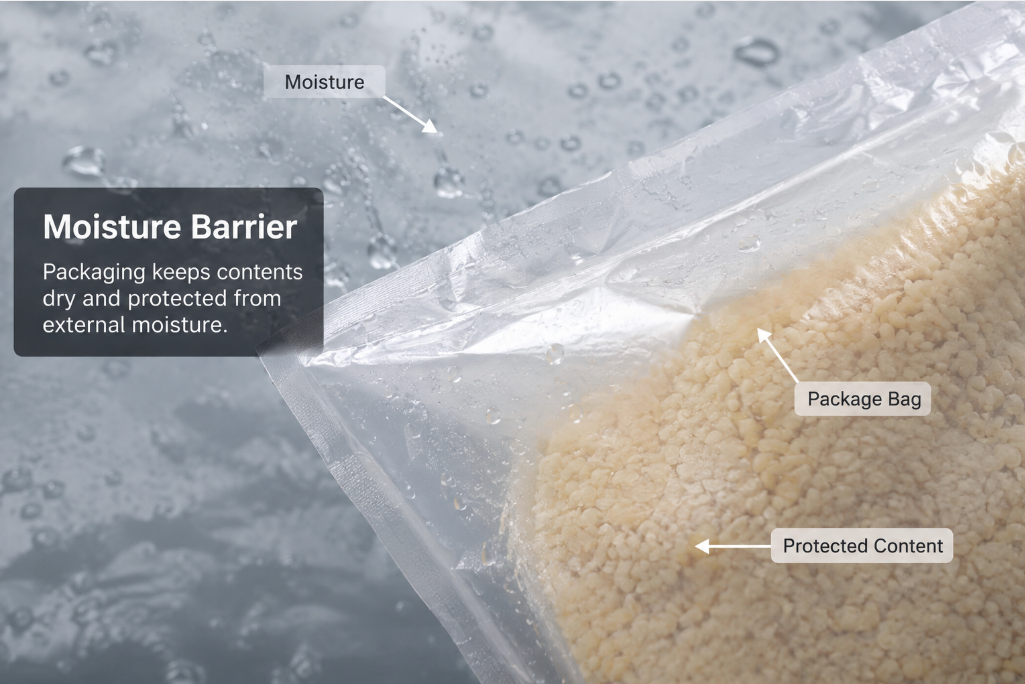
In the packaging industry, maintaining product integrity, freshness, and shelf life hinges heavily on moisture barrier performance. Whether protecting crisp food products from staleness, pharmaceuticals from degradation, or electronics from corrosion, controlling moisture ingress is paramount.
The standard parameter used to evaluate this performance is the Water Vapor Transmission Rate (WVTR)—the measure of water vapor passing through a material per unit area over a specified time under specific temperature and vapor pressure gradients.
1. Primary Testing Methods for Water Vapor Permeability
Testing standards have evolved over decades to accommodate different material barrier levels, speed requirements, and automation needs. The main methodology categories include:
A. Gravimetric Method (Cup Method)
- Standards: ISO 2528, ASTM E96, ASTM D1653, TAPPI T464, GB 1037
- Principle: A test specimen seals a cup containing either a desiccant (desiccant method) or distilled water/saline solution (water method). Under controlled ambient temperature and humidity, the unit measures weight change over time as moisture permeation occurs.
- Pros & Cons: Highly standardized and cost-effective, though traditional manual gravimetric testing can be time-consuming and vulnerable to ambient fluctuations during manual weighing. Modern automated cup systems mitigate these human interference factors.
B. Infrared Detection Sensor Method
- Standards: ISO 15106-2, ASTM F1249, TAPPI T557
- Principle: The specimen divides a test cell into a dry chamber and a humidified chamber. As water vapor permeates into the dry side, a carrier gas sweeps it to a modulated infrared sensor, which measures moisture absorption and calculates the transmission rate.
- Pros & Cons: Highly sensitive, fast, and repeatable. Ideal for modern high-barrier packaging films and quality-control environments.
C. Electrolytic Detection Sensor Method
- Standards: ISO 15106-3, ASTM F3299
- Principle: Water vapor permeating into the dry side is carried by dry gas into an electrolytic cell, where it decomposes into hydrogen and oxygen. The resulting Faradaic current directly correlates to the volume of water vapor transmitted.
- Pros & Cons: Extremely accurate for high-barrier and pharmaceutical-grade materials, offering high precision and automated calculation without frequent recalibration.
2. Labthink Water Vapor Permeability Testing Solutions
As a global leader in packaging testing equipment, Labthink offers a comprehensive line of WVTR testing systems tailored to international standards (ISO, ASTM, TAPPI, GB).
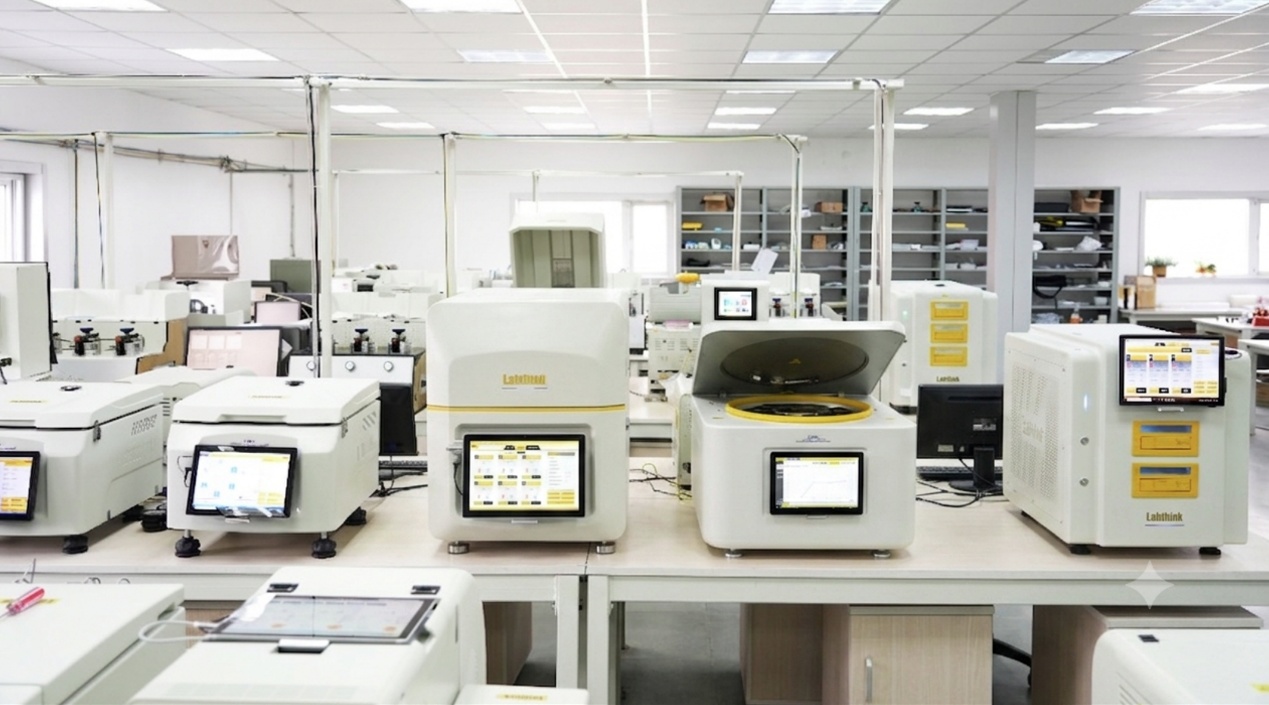
Key Labthink Instruments by Testing Method
Testing Method | Labthink Models | Primary Standards | Typical Applications |
Gravimetric Method | C360 C370 | ASTM E96, ISO 2528, GB 1037 | Flexible plastic films, sheets, paperboard, coated paper, pharmaceutical packaging. |
Infrared Sensor Method | C390 C306 C303 C301 | ASTM F1249, ISO 15106-2, TAPPI T557 | High-barrier packaging, multi-layer laminated films, food & pharmaceutical barrier sheets. |
Electrolytic Sensor Method | C330 | ISO 15106-3, ASTM F3299 | High-precision testing for ultra-barrier films, pharmaceutical blister packs, and technical sheets. |
3. Selecting the Right Method for Your Quality Control
When choosing a water vapor permeability testing system, consider the following parameters:
- Barrier Range: High-barrier materials (e.g., aluminum foil laminates or pharmaceutical sheets) benefit from sensor-based systems (Infrared or Electrolytic) due to lower detection limits.
- Testing Speed: Sensor-based methods significantly reduce test durations compared to traditional gravimetric setups.
- Compliance Requirements: Select the instrument matching the specific regional or industry standard mandated by your target markets (e.g., ASTM F1249 vs. ASTM E96).