
What does Residue on Ignition actually tell us about a sample? Why is sulfuric acid used? And how can laboratories ensure consistent results?
Residue on Ignition (ROI), described in USP <281>,is a widely used test for determining the amount of non-volatile inorganic residue remaining after a sample is ignited under specified conditions.
Although the procedure may appear straight forward, several steps—including sample charring, sulfuric acid treatment, ignition temperature control, cooling, and repeated weighing—can have a direct impact on the final result.
Here are some of the key questions laboratories should consider.
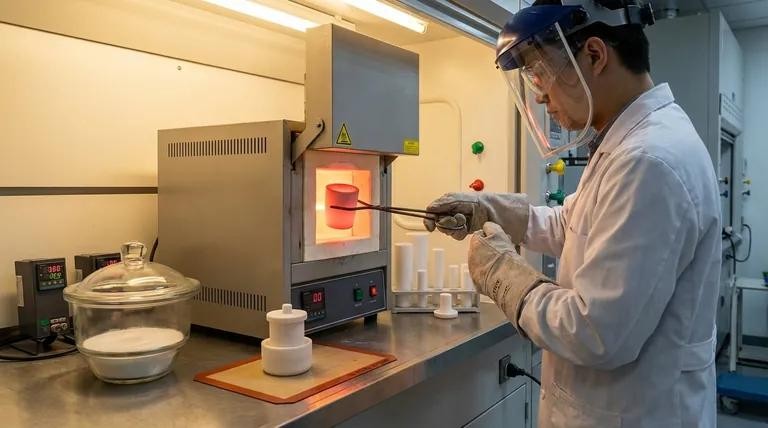
Q1. What is the purpose of the Residue on Ignition test?
Answer:
The Residue on Ignition test is used to determine the amount of non-volatile inorganic residue remaining after a sample is treated with sulfuric acid and ignited.
For pharmaceutical and other regulated materials, the test can help evaluate the level of inorganic impurities and support compliance with applicable pharmacopeial requirements.
Because the final result is based on a relatively small change in sample mass, accurate weighing and consistent heating conditions are particularly important.
Q2. Why is sulfuric acid used in the procedure?
Answer:
Sulfuric acid plays an important role in the preparation of the sample before final ignition.
It helps dehydrate and char the organic material and promotes the conversion of the sample into a form that can be more completely incinerated during the subsequent heating process.
After charring and heating, the remaining material is finally ignited at the specified temperature until the organic components have been removed and the inorganic residue can be accurately weighed.
Q3. What is the critical temperature in the Residue on Ignition procedure?
Answer:
The final ignition is generally performed at 600 ± 50°C,as specified in USP <281>.
Maintaining the furnace within the required temperature range is important for obtaining consistent and reproducible results.
A properly calibrated furnace and appropriate temperature verification are therefore essential parts of laboratory quality control.
However, temperature is not the only factor that matters. The heating time, sample condition, cooling process, and weighing procedure canals affect the final result.
Q4. Why is repeated weighing necessary?
Answer:
The objective is to confirm that the residue has reached a stable weight.
After ignition, the crucible is cooled in a desiccator and weighed. Depending on the procedure and the result obtained, additional ignition and weighing may be required.
The process continues until the specified endpoint or constant-weight criterion is achieved.
This is important because even a small difference in the final residue can have a significant effect on the calculated result when the amount of residue is very low.
Q5. What factors can affect the consistency of the result?
Answer:
Several factors can influence the reproducibility of Residue on Ignition testing, including:
- Furnace temperature stability
- Heating time
- Sample quantity and distribution
- Sulfuric acid addition
- Charring conditions
- Cooling conditions
- Balance accuracy and repeatability
- Operator handling
- Exposure to moisture during cooling and weighing
In a conventional workflow, many of these steps are performed manually.
As a result, the overall testing process may involve multiple transfers between the furnace, desiccator, and analytical balance.
Q6. What are the main safety considerations?
Answer:
Because the procedure involves sulfuric acid, high temperatures, and potentially irritating fumes, appropriate laboratory safety procedures should be followed.
The test should be performed in a suitable, well-ventilated area or fume hood. The sample should be heated carefully to avoid uncontrolled flame formation.
After ignition, the crucible should be cooled under controlled conditions, typically using a desiccator, before weighing.
Proper handling of hot crucibles and corrosive reagents is also essential.
From Manual Operations to Safer, More Consistent Testing
Traditional Residue on Ignition testing requires analysts to handle sulfuric acid, high-temperature crucibles, repeated ignition, cooling, and weighing.
This raises another important question:
Can automation not only improve testing efficiency and consistency, but also make the overall workflow safer?
This is one of the key considerations behind the design of the LabthinkC860 Integrated Residue on Ignition Testing System.
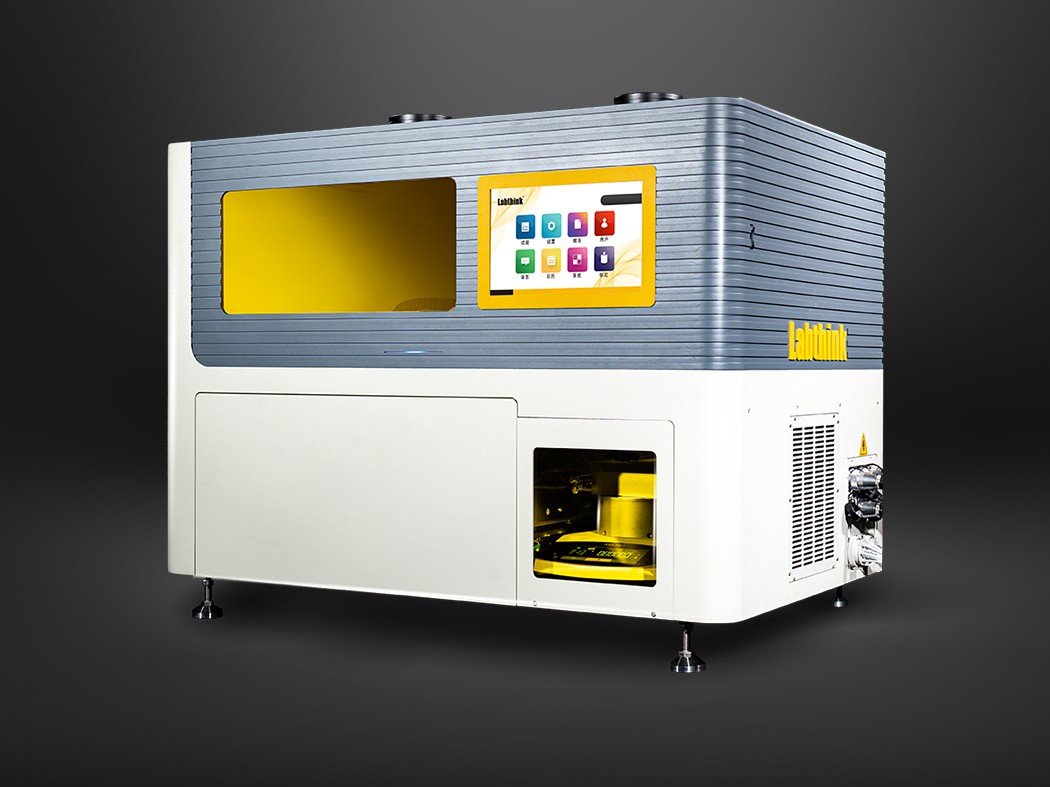
Labthink C860: Automating the Residue on Ignition Workflow
The C860 integrates key steps of the traditional Residue on Ignition workflow into one automated system, including ignition, drying, cooling, and room-temperature weighing.
Instead of repeatedly transferring hot crucibles between a muffle furnace, desiccator, and analytical balance, the automated system manages the testing sequence within the instrument.
Safety as Part of the Testing Workflow
Because Residue on Ignition involves both high temperatures and sulfuric acid, safety is an important consideration in laboratory operation.
The C860 incorporates several features designed to support safer and more controlled testing:
- Automatic timed and quantitative sulfuric acid filling helps reduce repetitive manual acid handling.
- An independent electrical control system supports controlled operation of the instrument.
- Multiple sensors with audible and visual alerts provide reminders during instrument operation.
- Automatic ignition, drying, cooling, and weighing reduces the need for operators to repeatedly handle hot test cups.
- The separate ignition and weighing chambers help isolate the high-temperature ignition environment from the precision weighing area.
Improving Efficiency, Consistency, and Traceability
Beyond safety, automation can also address several challenges associated with conventional Residue on Ignition testing.
The C860 can help laboratories:
- Reduce repetitive manual weighing
- Minimize operator-dependent variation
- Improve multi-sample testing efficiency
- Automatically record test data
- Support traceable testing workflows
- Reduce repeated handling of hot test cups
The C860M, for example, is equipped with 16 test stations,while the C860H can support a higher-throughput configuration. The systems also integrate automated sample handling and weighing functions.
For pharmaceutical laboratories, data integrity is another important consideration. The C860 series can be configured with software functions supporting GMP data traceability, multi-level user permissions, and electronic signatures designed according to 21 CFR Part 11 requirements.
So, What Should a Modern Residue on Ignition Workflow Look Like?
The question is no longer simply:
“Can we perform the Residue on Ignition test?”
It is also:
“Can we make the process safer, more consistent, more efficient, and easier to trace?”
The Labthink C860 Integrated Residue on Ignition Testing System is designed to address these needs by bringing ignition, cooling, weighing, automation, and data management into an integrated testing workflow.