
As global food safety regulations continue to evolve, compliance of Food Contact Materials (FCMs) has become a critical requirement for manufacturers of plastic packaging, coatings, laminates, and other food-contact products.
Among the most influential regulations worldwide is the European Union's Regulation (EU) No 10/2011, commonly known as the Plastics Implementing Measure (PIM). This regulation establishes the requirements for plastic materials and articles intended to come into contact with food and serves as the foundation for demonstrating compliance throughout the supply chain.
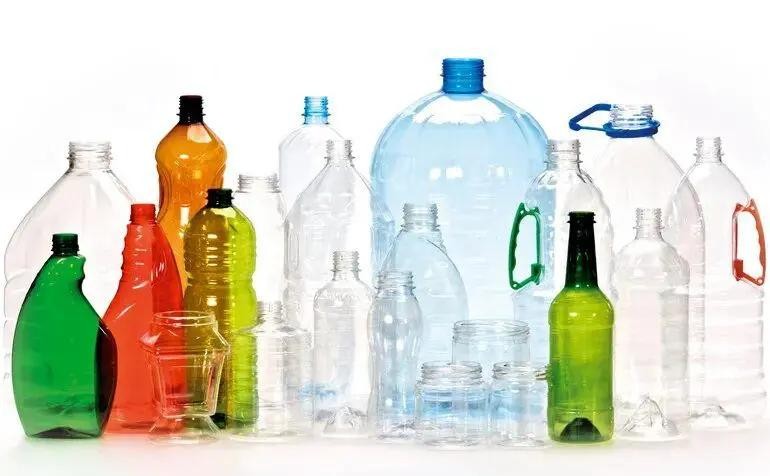
What Is the Plastics Implementing Measure (PIM)?
The Plastics Implementing Measure (PIM) is the specific European legislation governing plastic Food Contact Materials.
The regulation is based on the principles established in EC Regulation 1935/2004, which requires that food contact materials shall not transfer constituents to food in quantities that could:
? Endanger human health;
? Bring about an unacceptable change in the composition of the food; or
? Cause deterioration in the organoleptic characteristics of the food.
To achieve these objectives, the PIM provides:
? A unified Positive List of authorized substances;
? Requirements for Overall Migration Limits (OML);
? Requirements for Specific Migration Limits (SMLs);
? Rules for multilayer structures and Functional Barrier concepts;
? Guidance on the assessment of Non-Intentionally Added Substances (NIAS).
Today, the PIM contains approximately 1,100 authorized monomers and additives, many of which are subject to migration restrictions or other conditions of use.
Why Is Overall Migration Important?
One of the key requirements of the PIM is compliance with the Overall Migration Limit (OML).
Overall Migration refers to the total amount of substances transferred from a plastic material or article into food or food simulants under specified test conditions.
According to the regulation:
The total amount of material transferred from plastic packaging to food shall not exceed 10 mg/dm2 of packaging material.
For materials intended for infant and young child food applications, a limit of 60 mg/kg of food may apply.
Although the Overall Migration Limit is often associated with food safety, its primary role is as a risk management tool.
By limiting the total migration from a packaging material, regulators can focus toxicological assessments on substances that may present specific health concerns, while ensuring that the overall material remains sufficiently inert during its intended use.
The Role of Food Simulants
Since testing with every food type is impractical, the PIM specifies the use of standardized Food Simulants.
Commonly used simulants include:
Food Simulant | Food Types Represented |
Simulant A (10% ethanol) | Aqueous foods |
Simulant B (3% acetic acid) | Acidic foods |
Simulant C (20% ethanol) | Alcoholic foods up to 20% ethanol |
Simulant D1 (50% ethanol) | Dairy products and foods containing more than 20% alcohol |
Simulant D2 (Vegetable Oil) | Fatty foods |
Simulant E (MPPO) | Dried foods (specific migration testing only) |
The selection of Food Simulants depends on the intended food application and represents worst-case migration conditions defined within the legislation.

Overall Migration Testing Conditions
The PIM establishes detailed testing conditions based on expected contact time and temperature.
Migration testing is performed on finished articles using the appropriate Food Simulants and exposure conditions specified in the regulation.
Testing is typically conducted according to EN 1186 standards and may involve:
? Long-term storage conditions;
? Refrigerated storage;
? Hot-fill applications;
? Microwaveable packaging;
? Ovenable food packaging.
For fatty food applications, the regulation also provides Fatty Food Reduction Factors (FRFs), recognizing that vegetable oil may be significantly more aggressive than actual foods and can overestimate migration.
Increasing Focus on Multilayer Structures, Functional Barriers and NIAS
Modern food packaging increasingly incorporates:
? Multilayer films;
? Barrier coatings;
? Functional coatings;
? Multi-material multilayer structures (MMML).
As packaging becomes more sophisticated, regulators are placing greater emphasis on the migration behavior of substances within these structures.
The PIM introduces the concept of a Functional Barrier, allowing the use of certain non-authorized substances provided their migration does not exceed 0.01 mg/kg (10 ppb).
At the same time, increasing attention is being given to Non-Intentionally Added Substances (NIAS), including impurities, reaction products, degradation products, and oligomers that may be present in food contact materials.
These developments highlight the growing importance of robust migration testing and comprehensive compliance assessment throughout the packaging industry.
Supporting Compliance with Reliable Overall Migration Testing
As regulatory requirements continue to evolve, laboratories require testing solutions that can deliver accurate, repeatable, and efficient Overall Migration measurements.
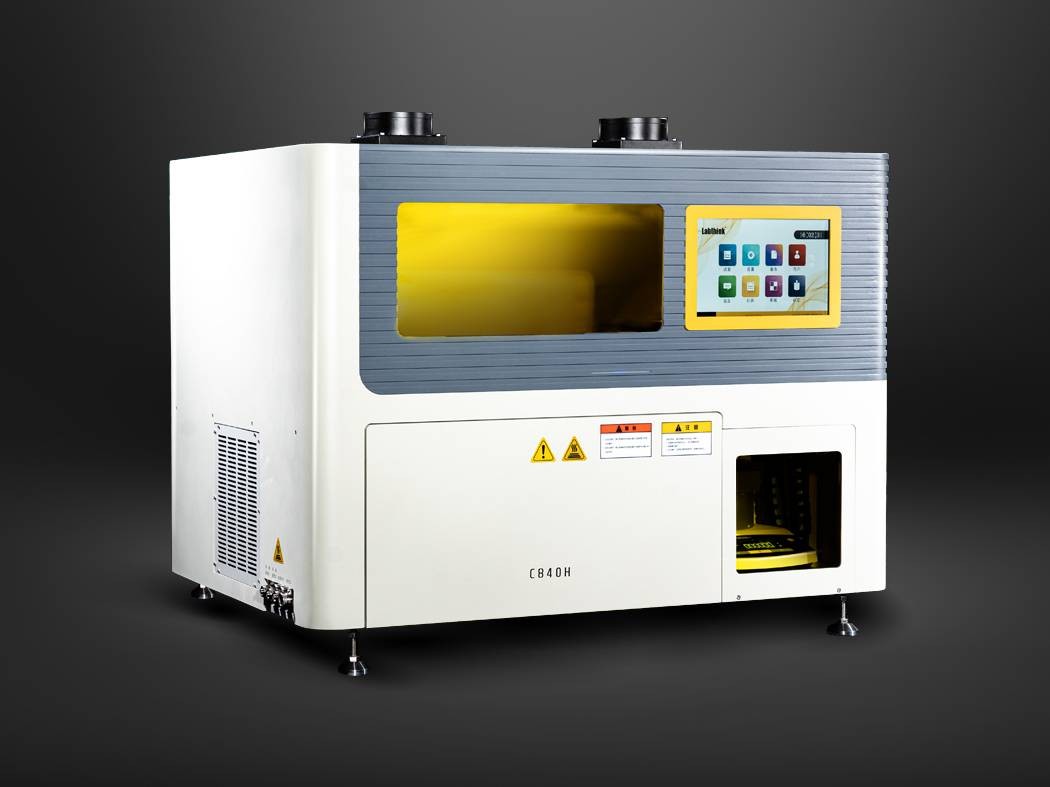
The Labthink C840 Integrated Overall Migration Testing System has been developed specifically for Overall Migration testing in accordance with food contact material regulations.
Key advantages include:
? Highly automated testing workflows that minimize manual intervention;
? Intelligent operation and process control for improved consistency and data reliability;
? High-throughput testing capability, enabling multiple samples to be processed simultaneously;
? Unattended operation throughout the evaporation and residue determination process, allowing laboratories to maximize productivity beyond working hours;
? Significant reduction in operator workload and human error compared with traditional manual methods;
? Enhanced laboratory efficiency through standardized and repeatable testing procedures.
By helping laboratories perform standardized migration testing with greater consistency, the C840 Integrated Overall Migration Testing System supports manufacturers in demonstrating compliance with the requirements of the Plastics Implementing Measure and other global food contact regulations.
Conclusion
The Plastics Implementing Measure remains one of the most important regulatory frameworks governing Food Contact Materials worldwide.
From Overall Migration and Specific Migration Limits to Functional Barriers and NIAS assessment, the regulation continues to evolve alongside advancements in packaging technology.