
When we think of food safety, we often imagine preventing mold or bacterial growth. However, there is an invisible frontier in food safety: the chemical interaction between a product and its container. Migration testing in food packaging is the scientific study of the transfer of chemical substances—such as monomers, plasticizers, and heavy metals—from packaging materials into the food or drink they hold (Intertek,2024).

While visible spoilage is easy to spot, chemical leaching is undetectable to the consumer but poses significant long-term health risks.
Section 1: Types of Migration: Overall vs. Specific
Migration isn't a single measurement; it is categorized by what is being tracked and the level of risk involved.
- Overall Migration (OM): This measures the total amount of non-volatile substances that move from the package to the food. It is an indicator of the inertness of the material. For instance, Commission Regulation (EU) No 10/2011 sets a strict limit of 10 mg/dm2 for plastic materials to ensure general material stability.
- Specific Migration (SM): This focuses on high-risk, individual substances known to be toxic or endocrine disruptors, such as Bisphenol A (BPA), Phthalates, or Primary Aromatic Amines (PAAs). Each of these is governed by specific limits based on toxicological data (FDA, 21 CFR 177).
- The "Worst-Case" Scenario: Testing does not just look at a product sitting on a shelf. Labs must simulate the most aggressive conditions the package might face—such as high-temperature sterilization or prolonged storage—following protocols like EN 1186 to ensure safety under environmental stress.
Section 2: Food Simulants and Test Conditions
Testing with actual food is difficult because food is chemically complex and perishable. Instead, scientists use food simulants—standardized liquids that mimic the properties of different food types:
- 10% Ethanol (Simulant A): For aqueous foods.
- 3% Acetic Acid (Simulant B): For acidic foods with a pH below 4.5.
- Vegetable Oil or 95% Ethanol (Simulant D): For fatty and oil-rich foods.
Drinks Packaging Testing
Beverage containers require specialized focus. For alcoholic beverages, higher concentrations of ethanol are used to ensure the alcohol doesn't act as a solvent that "pulls" chemicals out of the plastic. In carbonated drinks, testers also look for gas-barrier degradation; if the structural integrity of the bottle fails, it can accelerate chemical leaching through the polymer matrix.
Section 3: Global Regulatory Standards: The Compass for Compliance
For a food brand to go global, its packaging must carry a "chemical passport" of compliance:
- European Union: Guided by Regulation (EC) No 1935/2004 and (EU) No 10/2011, which provide a "Union List" of authorized substances and specific migration limits.
- United States: The FDA 21 CFR 177 treats packaging components as "Indirect Food Additives," requiring rigorous safety assessments before market entry.
- China: The GB 31604 series outlines the specific protocols for migration testing and sensory analysis within the Chinese market.
Why Accuracy Matters: A minor deviation in a test report isn't just a technicality; it can lead to massive product recalls and severe regulatory audits.
Section 4: Labthink’s Contribution to Chemical Safety Analysis
Ensuring compliance requires precision instruments that remove human error from the equation.
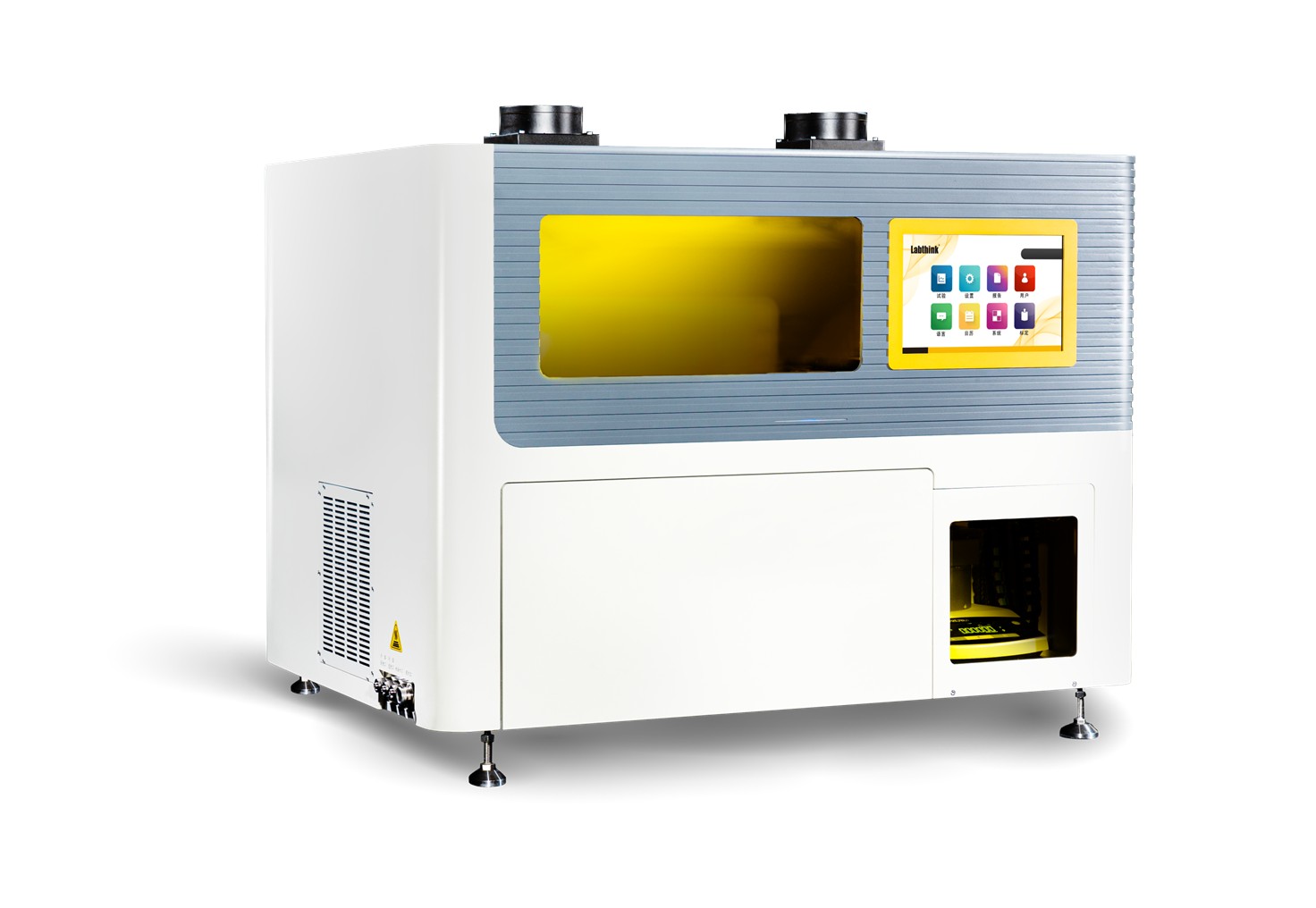
- Precision Evaporation & Weighing: Labthink’s automated systems, such as the C840H Integrated Evaporation Residue Testing System, automate the determination of migrated substances' mass. By integrating evaporation, drying, and weighing, it eliminates the contamination risks associated with manual handling (Labthink Product Specs, 2024).
- Barrier & Migration Synergy: Migration testing shouldn't exist in a vacuum. Labthink advocates for pairing migration studies with Barrier Testing (OTR/WVTR). Understanding how a material's structure degrades over time helps predict when chemical transfer is likely to increase.

- Data Integrity: To meet the "Audit Trail" requirements of global regulators, Labthink software ensures that every test result is tracked, timestamped, and protected from manual override, adhering to 21 CFR Part 11 guidelines.
Section 5: FAQs
1. Can I use functional barriers to bypass specific migration testing? While afunctional barrier (like an aluminum layer) can block migration from outer layers, Regulation (EU) No 10/2011 still requires manufacturers to verify that the barrier is effective and that no unauthorized substances are migrating above detection limits.
2. How do I select the right simulant for fatty foods vs. dry foods? Fatty foods are typically tested with vegetable oil or 95% ethanol. Dry foods are sometimes exempt from migration testing unless they contain fat on the surface, in which case specific "dry food simulants" like modified polyphenylene oxide are used.
3. Does the move to recycled plastic (rPET) change migration risks? Yes. Recycled materials can contain contaminants from their previous lifecycle. Under newer regulations like (EU) 2022/1616, migration testing is even more critical to ensure the recycling process effectively removes "legacy"chemicals.
Conclusion
Migration testing is the silent guardian of the food supply chain. As global regulations tighten and the push for recycled materials grows, the need for precise, automated testing has never been higher.
Labthink provides the high-performance tools necessary to navigate these complexities. From the C840H for evaporation residue to comprehensive transmission rate systems, Labthink ensures your packaging is as safe on the inside as it looks on the outside.
References
- ASTM International. Standard Test Method for Individual Column Gas Chromatography.
- European Commission. Regulation (EU) No 10/2011 on plastic materials and articles intended to come into contact with food.
- Intertek (2024). Migration Testing for Food Contact Materials.
- Labthink Instruments Co., Ltd. (2024). C840H Integrated Evaporation Residue Testing System: Technical Specifications.
- U.S. Food and Drug Administration (FDA). 21 CFR 177: Indirect Food Additives: Polymers.