
In industries demanding absolute packaging integrity—particularly pharmaceuticals, medical devices, and high-value food packaging—the definition of a "good seal" goes far beyond a visual check. From a sealing process standpoint, good seal strength is the quantifiable evidence that a package closure meets pre-defined process parameters and product-specific regulatory thresholds, ensuring integrity throughout the product’s lifecycle.
It is a critical metric for quality assurance (QA) and process validation, linking the performance of the sealing machinery to the final package quality. This article explores the technical standards defining robust seal strength and details how instruments like the Labthink C660M Leak and Seal Strength Tester provide the definitive data required for process control and compliance.
Defining Seal Strength and Seal Integrity
Before defining what is "good," we must distinguish between two related concepts, both assessed by a seal tester:
Seal Strength: This is the physical force required to separate the two layers of material that have been sealed together (e.g., peeling open a flexible pouch). It is typically measured in force per width (e.g., Newtons per 15 mm) and directly reflects the effectiveness of the heat, dwell time, and pressure applied by the sealing machinery.
Seal Integrity (Leak Testing): This is the measure of whether the seal contains any microscopic channels, pinholes, or defects that could allow gas, moisture, or microbes to enter or exit the package. A strong seal is useless if it has poor integrity.
A good seal must satisfy both: it must be strong enough to resist handling forces, and it must be perfectly intact to maintain the barrier.
The Process Validation Threshold
From a sealing process standpoint, a good seal strength is one that falls reliably within the Critical Quality Attribute (CQA) range established during the Process Validation (PV) phase. This range is characterized by three key parameters:
Minimum Acceptable Seal Strength (Min ASS): The lowest acceptable strength before the seal becomes prone to failure during typical handling, distribution, and storage. Anything below the MASS is a defect.
Target Seal Strength (TSS): The optimal average strength defined by the manufacturer's Sealing Process Parameters.
Maximum Acceptable Seal Strength (Max ASS): The highest strength before the material fails in undesirable ways (e.g., material delamination or tearing that compromises the sterile barrier upon opening).
Good seal strength is therefore a validated value that operates safely between the Min ASS and Max ASS, proving the consistency and control of the production process. This is the ultimate goal of seal strength testing.
Advanced Testing: The Labthink C660M and Compliance
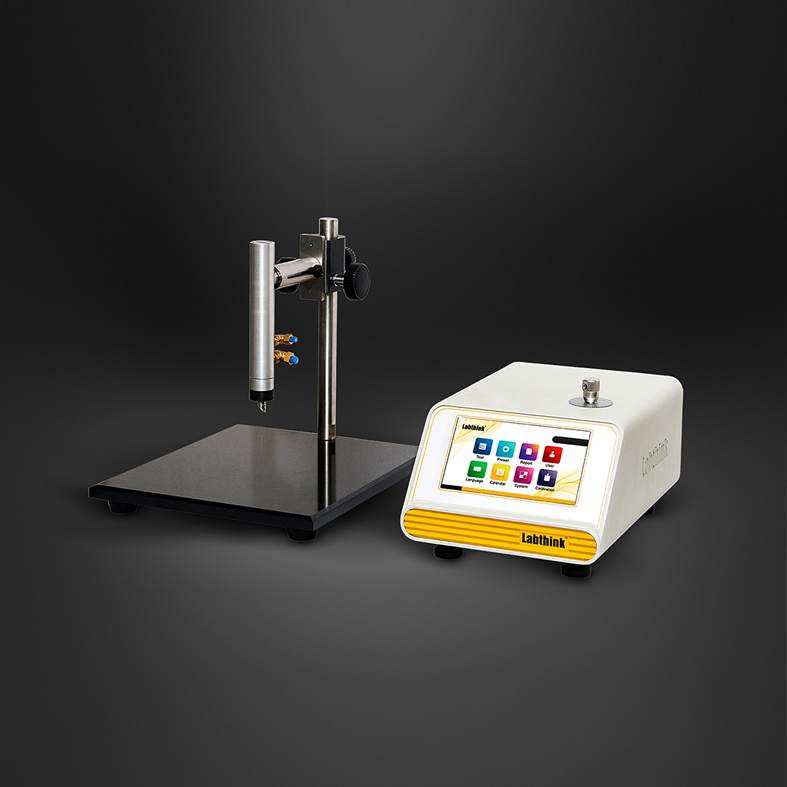
To validate a sealing process and confirm the strength and integrity of every batch, we rely on precision instrumentation. Labthink developed the C660M Leak and Seal Strength Tester to provide a flexible, comprehensive platform for meeting multiple industry standards.
The C660M is a versatile seal tester designed to perform two primary functions critical to process validation:
Seal Strength Testing (Peel Test): It measures the maximum force required to separate the seal, adhering to standards like ASTM F88 and GB/T 10004.
Leak and Burst Testing: It measures the pressure at which a package seal fails, adhering to standards like ASTM F1140 (creep/burst) and ASTM F2054 (visual package integrity).
Labthink C660M Key Technical Specifications for Validation
The C660M provides the precise, traceable data essential for B2B compliance and process documentation:
Dual Functionality: The system integrates both seal strength testing (peel, shear) and leak/burst testing (pressure-based) in one unit. This allows us to correlate the measured seal strength with the package's resistance to internal pressure, offering a complete picture of seal quality.
High-Resolution Pressure Control: The instrument features a precise pneumatic control system that allows for testing under highly controlled pressure conditions, which is crucial for distinguishing minor seal defects. Its test ranges are adaptable to various package types, from rigid containers to flexible pouches.
Peel Test Accuracy: When performing the peel strength test, the C660M provides a consistent, controllable peeling rate. This consistency ensures the strength measurements are comparable across different batches and facilities.
Automated Results: The system utilizes microcomputer control and offers automated test results, including the Max Peak Load, Seal Strength Average, and detailed peel curves, all necessary for Statistical Process Control (SPC) documentation.
Standard Compliance: The C660M ensures compliance with a wide range of international and national standards, including ASTM F2054, ASTM F1140, ISO 11607 (a critical standard for sterile medical device packaging), and GB/T 10004.
Seal Strength Testing as a Process Control Mechanism
For the B2B partner, the true value of the C660M lies in its ability to serve as a continuous Process Control Mechanism for heat sealing equipment.
Mapping the Operating Window: By measuring the seal strength of packages produced at the extremities of the sealing machine’s operational parameters (minimum temperature/pressure/time and maximum temperature/pressure/time), we can scientifically define the validated operating window.
Troubleshooting and Maintenance: A sudden drop in measured seal strength, detected by the C660M, immediately flags a potential machine issue—such as worn heating bars, low pneumatic pressure, or contaminated sealing surfaces—long before a gross failure occurs.
Risk Mitigation: Using a reliable seal tester reduces the risk of expensive product recalls and regulatory violations. For medical device companies, documenting seal strength according to standards like ISO 11607 is a regulatory mandate that the C660M directly supports.
In conclusion
Good seal strength is not an arbitrary number; it is a meticulously tested and validated parameter that guarantees a package will perform its intended barrier function under all foreseeable conditions. Through precise seal strength testing and leak detection capabilities, instrumentation like the Labthink C660M Leak and Seal Strength Tester transforms package sealing from a simple assembly step into a verifiable, controllable, and auditable engineering process.
What Constitutes Good Seal Strength from a Process Standpoint?
March 23,2026