
In the world of manufacturing, logistics, and retail, the integrity of a product rests almost entirely on the quality of its packaging. Beyond aesthetics and convenience, packaging serves one critical, fundamental function: protection. This protection is measured by what we call barrier properties. At Labthink, we understand these properties are not just technical specifications; they are the difference between a product that reaches the consumer as intended and one that spoils, degrades, or loses its efficacy.
For our partners—quality control managers, research and development scientists, and procurement specialists—who are dedicated to ensuring product excellence, we want to share our comprehensive knowledge on what barrier properties are, why they matter, and how we help industries verify these vital features.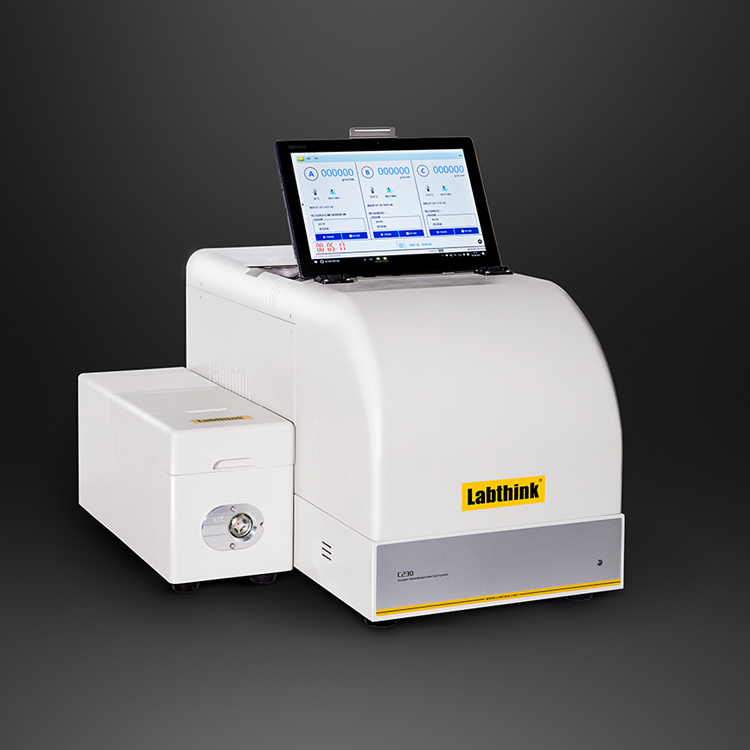
The Invisible Shields: Defining Packaging Barrier Properties
Simply put, barrier properties refer to a packaging material’s ability to resist the passage of external substances, such as gases, moisture, light, or volatile aromas, into or out of the package. Itis the measure of how effectively the material isolates the contents from the surrounding environment.
A lack of sufficient barrier properties can lead to a host of problems across different industries:
Food and Beverage: Oxidation, rancidity, flavor loss, moisture gain leading to clumping, or moisture loss leading to desiccation. This shortens shelf life and compromises taste and nutritional value.
Pharmaceuticals and Medical Devices: Loss of potency in medicines due to moisture or oxygen ingress, or potential contamination that compromises sterility.
Fine Chemicals and Cosmetics: Evaporation of volatile solvents, change in consistency, or degradation of active ingredients.
To successfully preserve a product’s quality over its designated shelf life, we must focus on controlling the transmission rate of a few key elements.
Moisture Control: The Focus of WVTR Testing
One of the primary agents of deterioration is water vapor. Whether it is causing dry goods, like crackers or coffee, to become soggy, or causing pharmaceuticals to degrade through hydrolysis, moisture is a constant threat.
The Water Vapor Transmission Rate (WVTR)measures the steady-state rate at which water vapor permeates through a film at specified conditions of temperature and relative humidity. A low WVTR value indicates a superior moisture barrier, meaning less moisture is passing through the material over time. This measurement is crucial for predicting a package shelf life.
We at Labthink have developed sophisticated instruments to precisely measure WVTR. For example, our C390H Water Vapor Transmission Rate Test System is a leading packaging barrier property tester specifically designed for this purpose. It utilizes the highly reliable infrared sensor method and conforms to international standards like ISO 15106-2and ASTM F1249.
The technical specifications of the C390HWater Vapor Transmission Rate Test System ensure high-precision results:
Its testing range is typically from 0.005 to 40 g/m2/24h.
Its resolution is up to 0.0001 g/m2/24h.
It is manufactured using patented technology, including an integrated test module structure, enabling repeatable and reliable measurements of water vapor transmission rates on films, sheets, and even entire packages.
This level of precision is fundamental for any company seeking reliable package testing services to optimize their barrier film structures.
Oxygen Exclusion: Understanding OTR
While moisture is often the main enemy, oxygen is another major catalyst for chemical reactions that lead to spoilage, most notably oxidation. In the food industry, this can turn fats rancid, cause browning in produce, and strip away vital nutrients. In other sectors, oxygen can react with sensitive components, reducing a product's effectiveness.
The Oxygen Transmission Rate (OTR) measures the amount of oxygen gas that permeates through a material over a defined area and time under standard conditions. A high-barrier material will have a very low OTR value. Ensuring effective oxygen exclusion, alongside moisture control provided by instruments like Labthink WVTR test systems, is a comprehensive part of our package testing services.
Testing for Other Gases
Beyond moisture and oxygen, other gases, such as nitrogen (N2) or carbon dioxide (CO2), are relevant, especially when utilizing Modified Atmosphere Packaging (MAP). This process relies on specific gas mixtures to extend preservation. In these cases, controlling the loss of beneficial gases (like carbon dioxide) or the ingress of ambient gases is paramount. Our product line includes instruments designed to measure the transmission rate of these various gases, ensuring the intended internal environment is maintained.
Verifying Barrier Performance with Labthink
Understanding the importance of barrier properties is only the first step; the next is rigorous testing and verification. This is where Labthink provides significant value to our industry partners.
Our dedicated team of experts provides comprehensive package testing services, utilizing instruments that meet or exceed international standards (including ASTM, ISO, and TAPPI). By leveraging a high-precision packaging barrier property tester like the C390H Water Vapor Transmission Rate Test System, we help you move beyond simple trial-and-error to implement a scientifically sound quality control program. Choosing the right material based on robust, verified data protects your product, preserves your brand’s reputation, and ultimately reduces waste.
We are committed to helping you select the correct testing solutions to confirm your packaging acts as the reliable shield your product deserves.