
In the modern packaging material landscape, aluminum foil remains a cornerstone for preserving product integrity. From the pharmaceutical industry to the food industry, this thin metal sheet provides a level of protection that most polymers cannot match. As global markets shift toward extended shelf lives and stricter safety standards in 2026,understanding the performance and quality control of foil-based solutions is more critical than ever.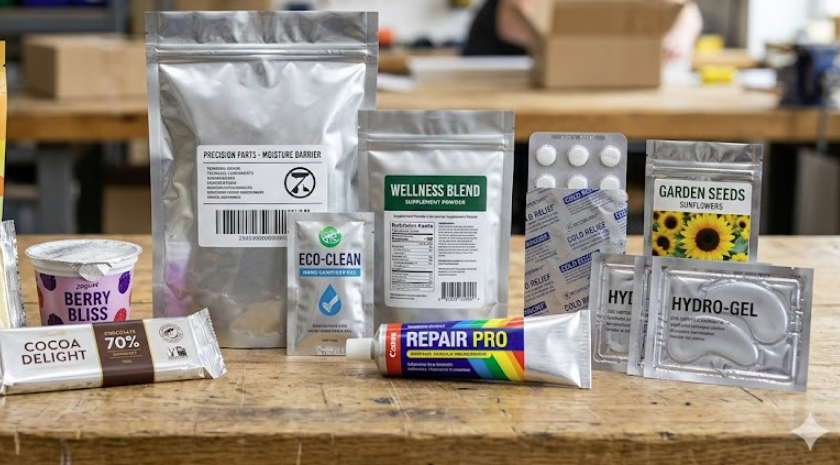
Advantages of Aluminum Foil Packaging
The widespread adoption of aluminum foil is driven by its unique physical and chemical properties:
- Total Barrier Protection: Aluminum foil acts as a "dead-fold" barrier, providing nearly zero oxygen transmission rate (OTR) and total resistance to light and odors.
- Moisture Barrier: It is the ultimate moisture barrier, effectively blocking water vapor to prevent spoilage, hydrolysis, and rancidity in sensitive products like fishery items or semi-moist snacks.
- Thermal Stability: It is non-flammable and can withstand high temperatures, making it ideal for sterilization, grilling, and roasting applications.
- Non-Toxic and Odorless: It does not react with food or alter flavors, ensuring high-grade safety for consumer products.
Disadvantages and Challenges
Despite its strengths, aluminum foil has limitations that manufacturers must navigate:
- Fragility and Pinholes: Extremely thin foils are susceptible to "pinholes"—microscopic voids caused by dust or rolling defects that can compromise the barrier.
- Sensitivity to Mechanical Stress: Foil is prone to tearing and wrinkling if the tension is not perfectly adjusted during the rolling or lamination process.
- Environmental Concerns: While highly recyclable, single-use foil applications often end up in landfills, prompting a shift toward circular economy designs and mono-material concepts.
Quality Control: Essential Testing Methods
To ensure that an aluminum foil laminate performs as intended, it must undergo rigorous quality checks.
1. Barrier Performance Testing
The most critical indices for foil packaging are OTR and WVTR. Even if a foil layer is present, defects can allow gas to pass through.
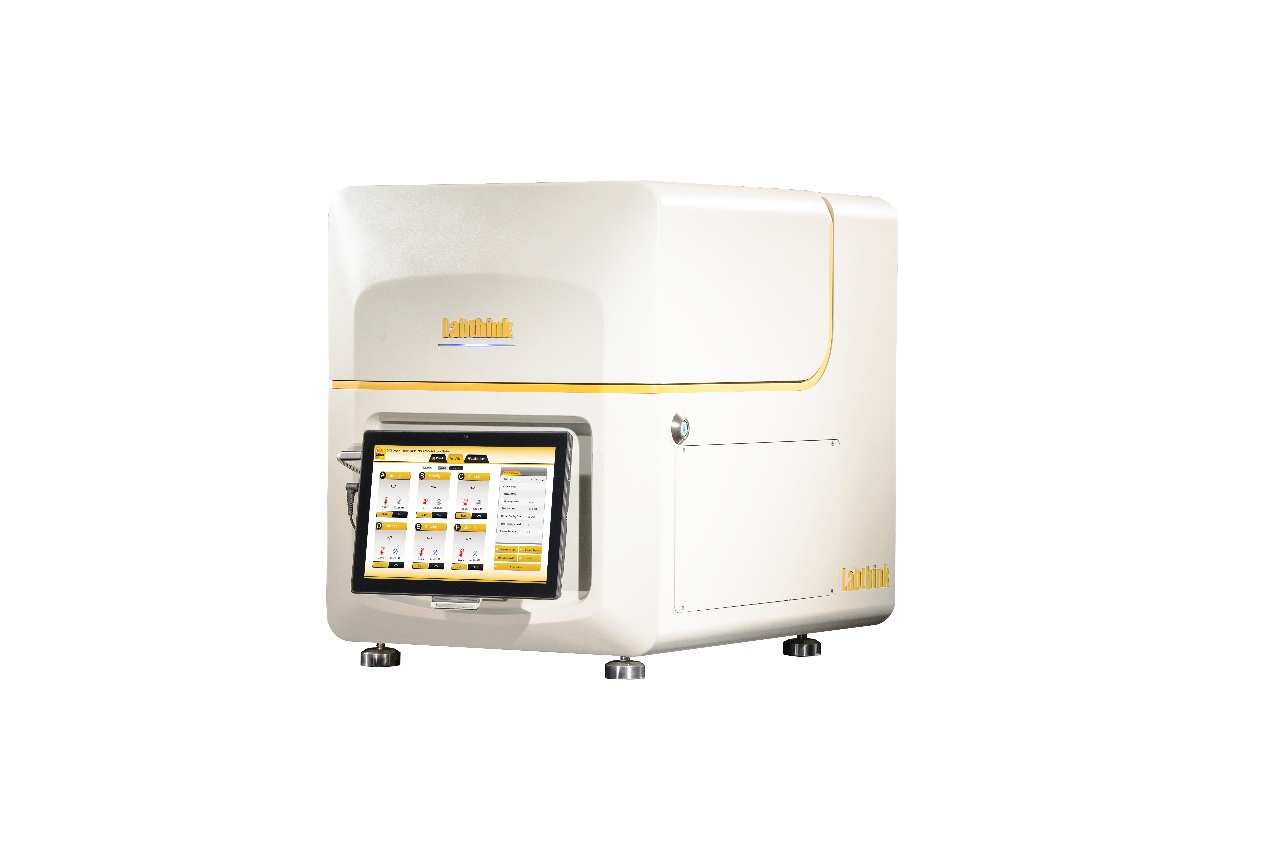
- Water Vapor Transmission Rate (WVTR): Manufacturers use a water vapor transmission rate tester to measure how many grams of moisture permeate a specific area over 24 hours.
- Oxygen Transmission Rate (OTR): This measures the volume of oxygen that penetrates the material, which is vital for preventing oxidation in oils and fats.
- Labthink provides water vapor test systems based on both the Infrared Sensor Method and the Gravimetric (Cup) Method, OTR testers utilizing the Coulometric Sensor Method (compliant with ASTM D3985), and test system that combines the two tests, such as model C406H.
2. Integrity and Leak Testing
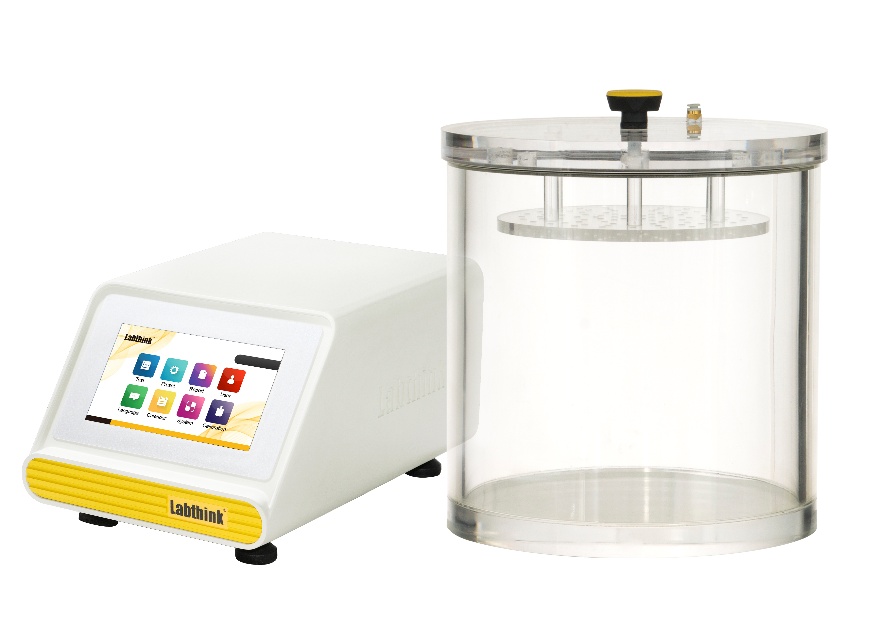
- Vacuum Leak Testing: A common method where the package is placed in a vacuum chamber. If the foil has punctures or seal defects, the pressure differential will reveal the leak, preventing defective batches from reaching the warehouse.
- Pinhole Counting: Thinner foils are visually or electronically inspected for pinholes, as a high density of these voids essentially turns a barrier material into a sieve.
3. Compliance and Migration Standards
In 2026, the FDA has tightened controls on harmful metals like lead and cadmium that can move from packaging into food. Quality control now requires:
- Base Alloy Verification: Confirming the use of high-grade alloys like 3003 or 8011.
- Migration Testing: Using food simulants to ensure no contaminants or stamping lubricants exceed safety limits.
Labthink testing systems are engineered to meet international standards (ASTM, ISO, GB),facilitating seamless reporting for global supply chains. The Systems are featured with Automated Accuracy and Broad Application.