
In the competitive world of food manufacturing, shelf life is the ultimate benchmark of quality. Consumers often wonder why one brand of snacks stays crisp for months while another loses its texture in weeks. The answer rarely lies in the food itself, but rather in the science of the packaging.
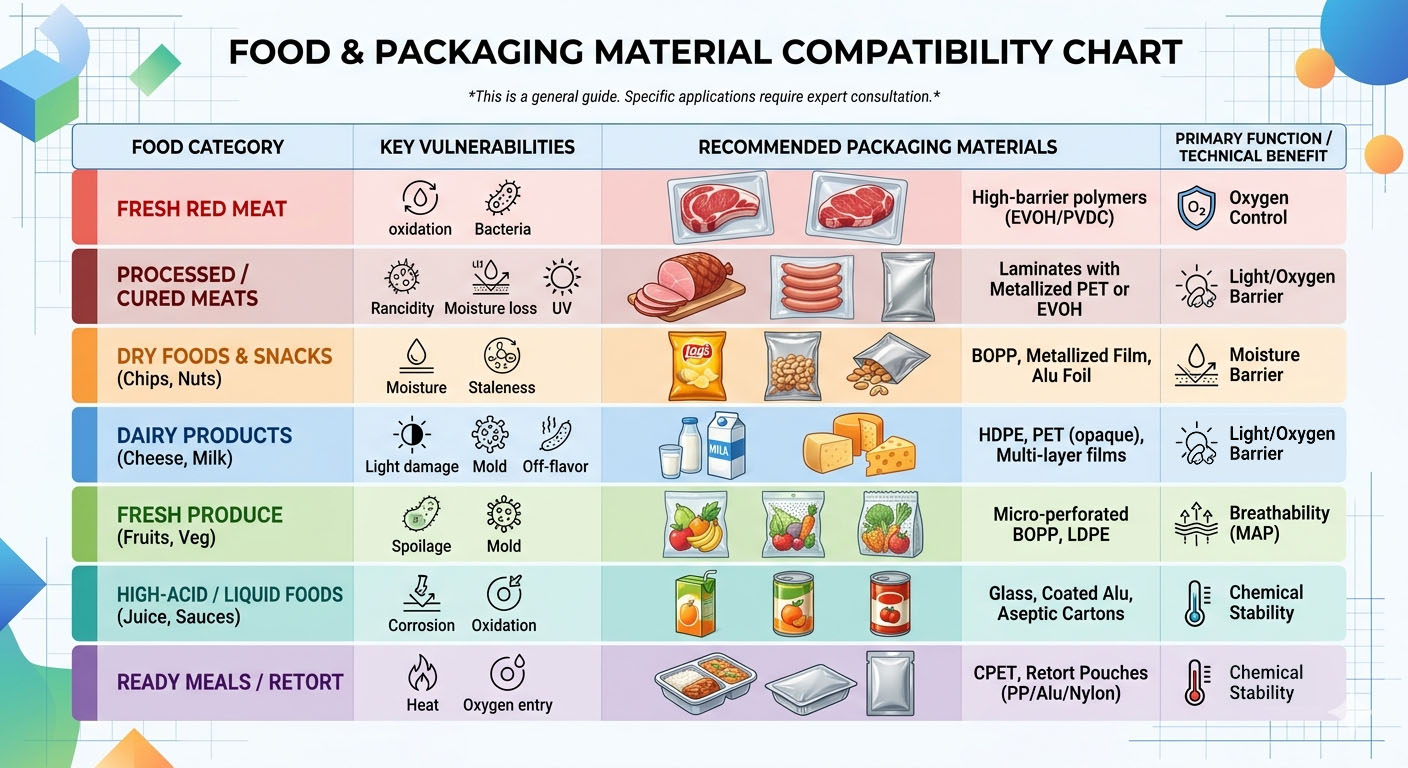
The difference between a product that spoils prematurely and one that stays fresh lies in how rigorously manufacturer tests four critical variables.
1. The Integrity of the Seal: The First Line of Defense
The most common reason for premature food spoilage is "micro-leaks." If a seal is inconsistent, oxygen and moisture seep in, even if the hole is invisible to the human eye.
- The Difference: Premium brands use a Heat Seal Tester to find the "Sealing Window"—the exact combination of temperature, pressure, and dwell time that creates a perfect molecular bond.
- The Tech: By adhering to ASTM F2029 standards, labs ensure that the seal is as strong as the material itself, preventing the "creep" or "peel" that leads to oxidation.
2. Barrier Mastery: Blocking the Invisible
Why does coffee in a multi-layer pouch stay aromatic while paper-bagged coffee goes stale? It comes down to the Transmission Rate.
- OTR & WVTR: Some materials are "breathable" at a microscopic level. High-performing packaging undergoes Oxygen Transmission Rate (OTR) and Water Vapor Transmission Rate (WVTR) testing.
- The Result: Food lasts longer when the packaging acts as a true fortress, keeping oxygen out and essential moisture (or dryness) in.
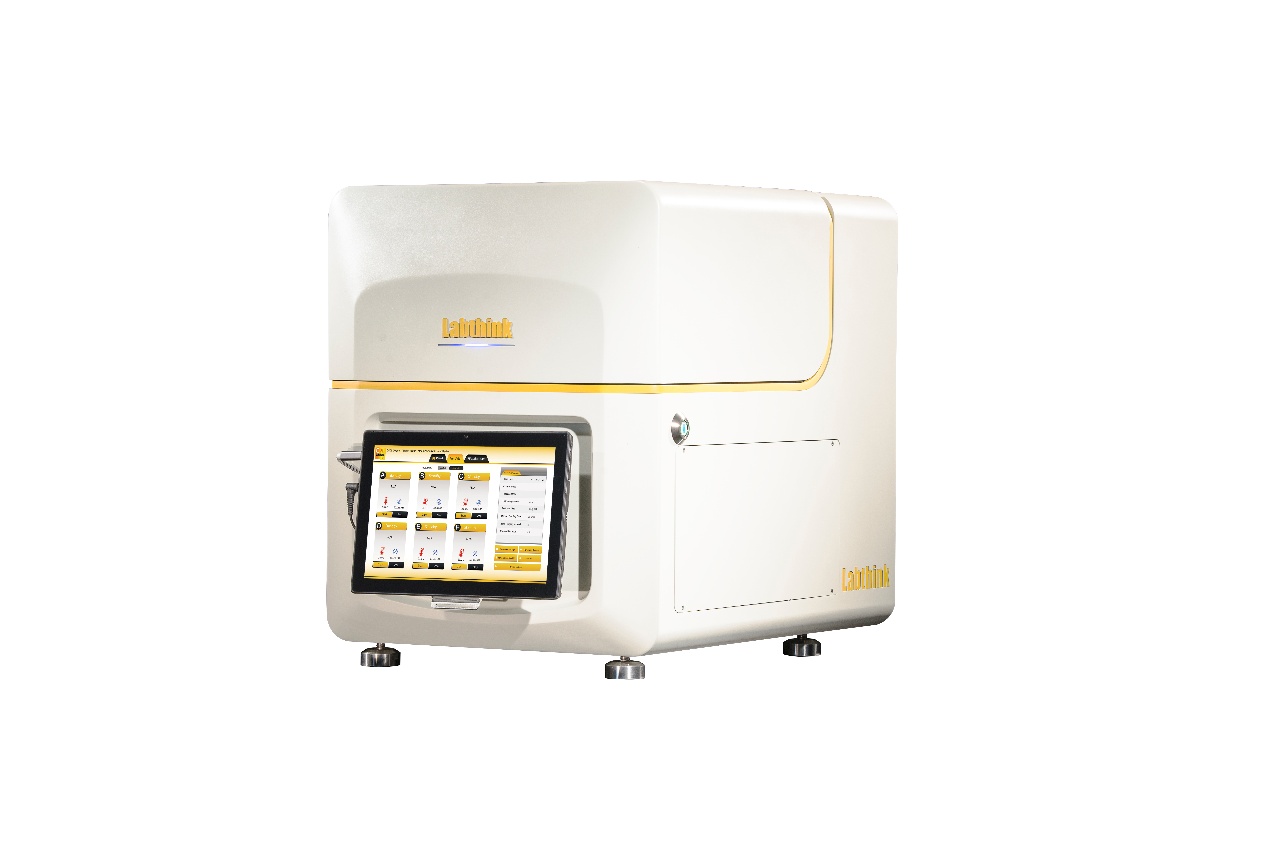
To achieve superior shelf life, manufacturers must move beyond basic material selection and validate the actual transmission rates of oxygen and moisture. Labthink C406H Oxygen/Water Vapor Transmission Rate Test System utilizes a high-precision coulometric oxygen sensor and a patented infrared moisture sensor to measure both OTR and WVTR in a single instrument. With 6 independent test cells, C406H allows for high-throughput testing of multiple film samples simultaneously, provides the precise, repeatable data required to comply with ASTM D3985 and ASTM F1249standards.
3. Resilience Against Physical Stress
Food often "dies" during transit, not on the shelf. If a bag cannot handle the pressure changes of ahigh-altitude truck route or the weight of being stacked in a warehouse, it will fail.
- Burst & Leak Testing: Products that last longer have undergone Internal Pressurization (Burst) Testing. This determines the maximum pressure a package can withstand before the material or seal fails.
- The Standard: Using vacuum decay or bubble emission tests ensures that the package is truly airtight before it ever leaves the factory floor.
4. Surface Dynamics and Machine Interaction
It may seem counterintuitive, but the Coefficient of Friction (COF) on the outside of a bag affects the food inside.
- The Reason: If a film is too "tacky" or too "slippery," it may be stretched or stressed by high-speed packaging machinery. This stretching creates thin spots in the plastic, compromising the barrier.
- The Fix: Precision testing of the film's friction ensures it glides through the production line without microscopic damage, preserving the material's integrity.
5. How do manufacturers guarantee food packaging safety?
While physical strength is vital, the chemical stability of the packaging is what ensures the food remains untainted. Flexible pouches and bottles are often made of multi-layered laminates held together by adhesives and printed with various inks.
- Migration Testing: Manufacturers must ensure that these chemical components—such as plasticizers, adhesives, or ink solvents—don’t "migrate" or leach into the food.
- The Process: Using food simulants (liquids that mimic acidic, fatty, or aqueous foods), labs test the material under specific temperatures. This ensures the packaging remains inert and that the barrier stays food-safe throughout its entire shelf life.
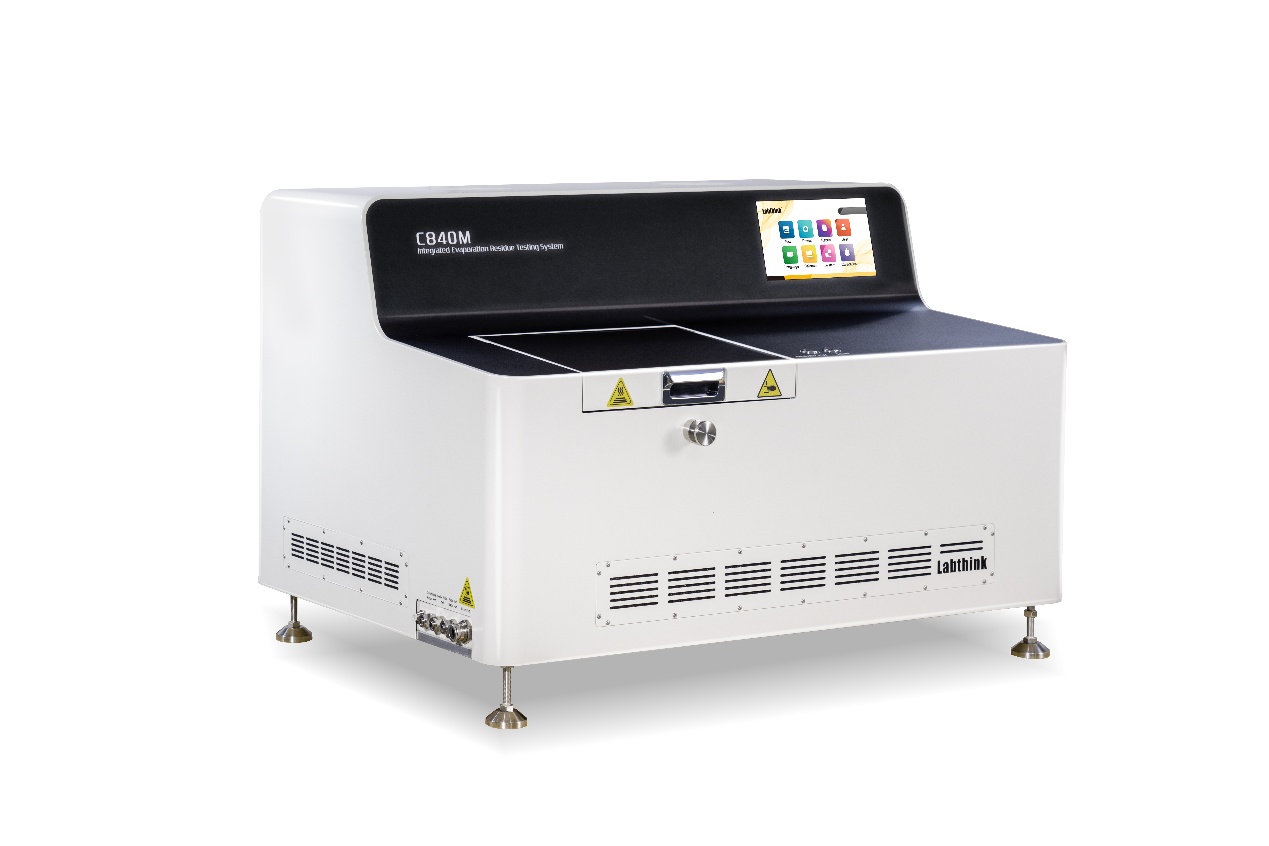
Ensuring that flexible packaging is safe for food contact requires measuring the non-volatile substances that could potentially migrate into the product. Labthink C840MIntegrated Evaporation Residue Testing System automates the determination of Total Migration by soaking packaging samples in food simulants. The solution is then evaporated and dried to measure the residue via the gravimetric method. C840M features a fully-closed water bath to prevent hazardous gas overflow and an integrated high-precision electronic scale (0.1mgor optional 0.01mg resolution). It automates the entire process—evaporation, drying, cooling, and weighing—to ensure data traceability and compliance with global food safety standards.
Precision Testing with Labthink
- Permeability Testing: For hybrid or plastic-based canned food alternatives, Labthink ASTM F1249 compliant moisture permeable testers provide precise WVTR data.
- Headspace Analysis: TheC650M Headspace Gas Analyzer allows for the precise measurement of O2 and CO2 inside sealed cans and pouches.
- Physical Strength: Labthink Tensile Testers and Leak Testers ensure that your seals, scores, and seams can withstand the rigors of the global supply chain.
Ensuring that your packaging lives up to its multi-year promise requires world-class instrumentation. Labthink provides the essential tools to verify every aspect of packaging quality.