
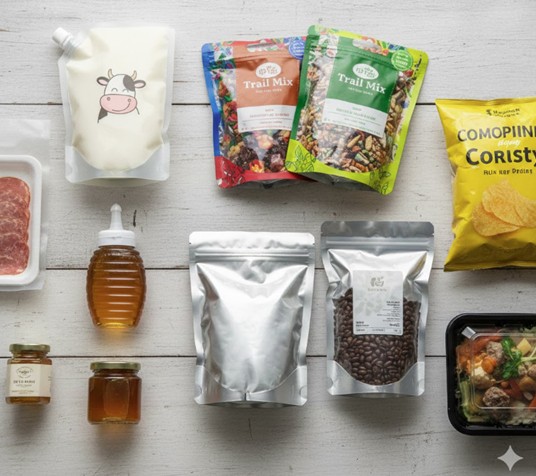
In the competitive global food industry, the package is more than just a container—it is a sophisticated barrier designed to preserve quality. Packaging quality control directly influences "Shelf-Life Extension" by maintaining the internal environment of the product, preventing spoilage, and significantly reducing food waste. To ensure these containers perform under pressure, rigorous testing is essential.
(AI generated image)
Section 1: Barrier Properties: Managing the Invisible Threat (OTR & WVTR)
The primary enemy of food freshness is the invisible exchange of gases and moisture. Oxygen causes oxidation and rancidity, while moisture gain or loss ruins the texture of snacks and powders.
Instrument Spotlight:
- OTR Tester for Food Packages: Oxygen Transmission Rate (OTR) is critical for sensitive goods. Systems like the Labthink C-Series (e.g., C203,C206) utilize the Coulometric sensor method (ASTM D3985). This "equal pressure" method provides high-precision measurement, ensuring that even the smallest oxygen leakages are detected.
- WVTR Analysis: For moisture-sensitive products, Water Vapor Transmission Rate (WVTR) testing is vital. Utilizing both gravimetric (weight change) and high-precision sensor methods (conforming to ISO 15106-2 and ASTM E96), manufacturers can guarantee that dry goods stay crisp and hydrated goods stay moist.
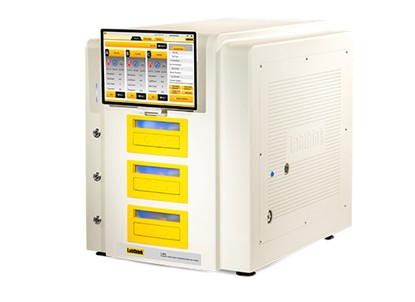
- Integrated Solutions: The C403H Oxygen/Water Vapor Transmission Rate Test System allows for the simultaneous testing of both OTR and WVTR, streamlining the lab process for high-efficiency production.
Section 2: Physical & Mechanical Testing: Surviving the Supply Chain
A package must do more than block gas; it must survive the physical rigors of shipping, stacking, and handling. Mechanical testing ensures the material won't tear or burst before reaching the consumer.
Key Testing Methods for Packaging Material:
- Tensile & Elongation: Following ASTM D882, this tests the "toughness" of films, ensuring they can stretch without snapping during the automated filling process.
- Puncture Resistance: Crucial for sharp food items like dried pasta or frozen goods that might pierce a standard film from the inside.
- Seal Strength & Burst: Using the C610H Auto Tensile Tester, manufacturers can measure the force required to separate a heat seal. This ensures that the "weakest link" of the package—the seal—doesn't fail under pressure or during high-altitude transport.
Section 3: Chemical Safety & Food Contaminant Testing
Safety isn’t just about keeping bacteria out; it’s about ensuring the packaging itself doesn’t leach harmful substances into the food. Food Contact Material testing focuses on Migrants and NIAS (Non-intentionally Added Substances) that can migrate from inks, adhesives, or recycled plastics.
Global Compliance Standards:
To access global markets, packaging must adhere to strict Food Contact Material (FCM) regulations:
- US FDA: 21 CFR 177 (Specific standards for polymers).
- EU: Regulation (EC) No 1935/2004 (General safety requirements for FCM).
- China: GB 4806 series (The mandatory national safety standards).
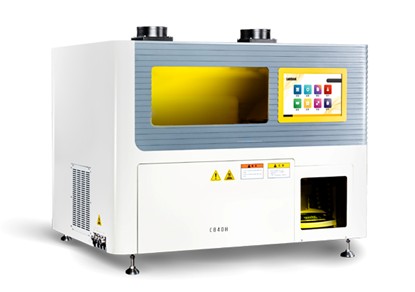
- Testing Solutions: The C840H Integrated Evaporation Residue Testing System is essential for determining the total migration of chemical substances into food stimulants, ensuring compliance with these global safety mandates.
Section 4: Quality Control for Global Markets: Compliance& Data Integrity
In the modern regulatory landscape, how you test isas important as the results. Adherence to ISO and ASTM standards serves as a"passport," allowing products to move seamlessly between continents.
The Labthink Advantage:
- 21 CFR Part 11 Compliance: Labthink’s software systems are designed for the pharmaceutical and food industries, offering strict data traceability, electronic signatures, and audit trails to prevent "manual overrides" in QC reports.
- Intelligent Cloud Lab: By integrating testing hardware with cloud-based management, Labthink facilitates real-time data sharing and remote management, allowing global food brands to maintain consistent quality standards across multiple international manufacturing sites.
Section 5: FAQs
1. Why does my OTR value change after the sterilization/retort process? The high heat and pressure of retort processing can physically alter the polymer structure or delaminate multilayer films, often increasing the oxygen transmission rate. Post-process testing is vital to ensure the barrier remains intact.
2. How do I choose between coulometric sensor method and manometric method for OTR? The coulometric sensor (ASTM D3985) is the "goldstandard" for accuracy and is required by many international standards, making it the best choice for R&D and high-stakes compliance.
3. Is nondestructive leak testing worth the investment? Absolutely. Using a C690M Nondestructive Package Leakage Detector allows for 100% inspection of high-value MAP(Modified Atmosphere Packaging) products without wasting the package.
Conclusion
Packaging quality control is a multifaceted discipline that bridges the gap between food science and mechanical engineering. From barrier performance to chemical migration and physical durability, rigorous testing is the only way to guarantee safety and maximize shelf-life.
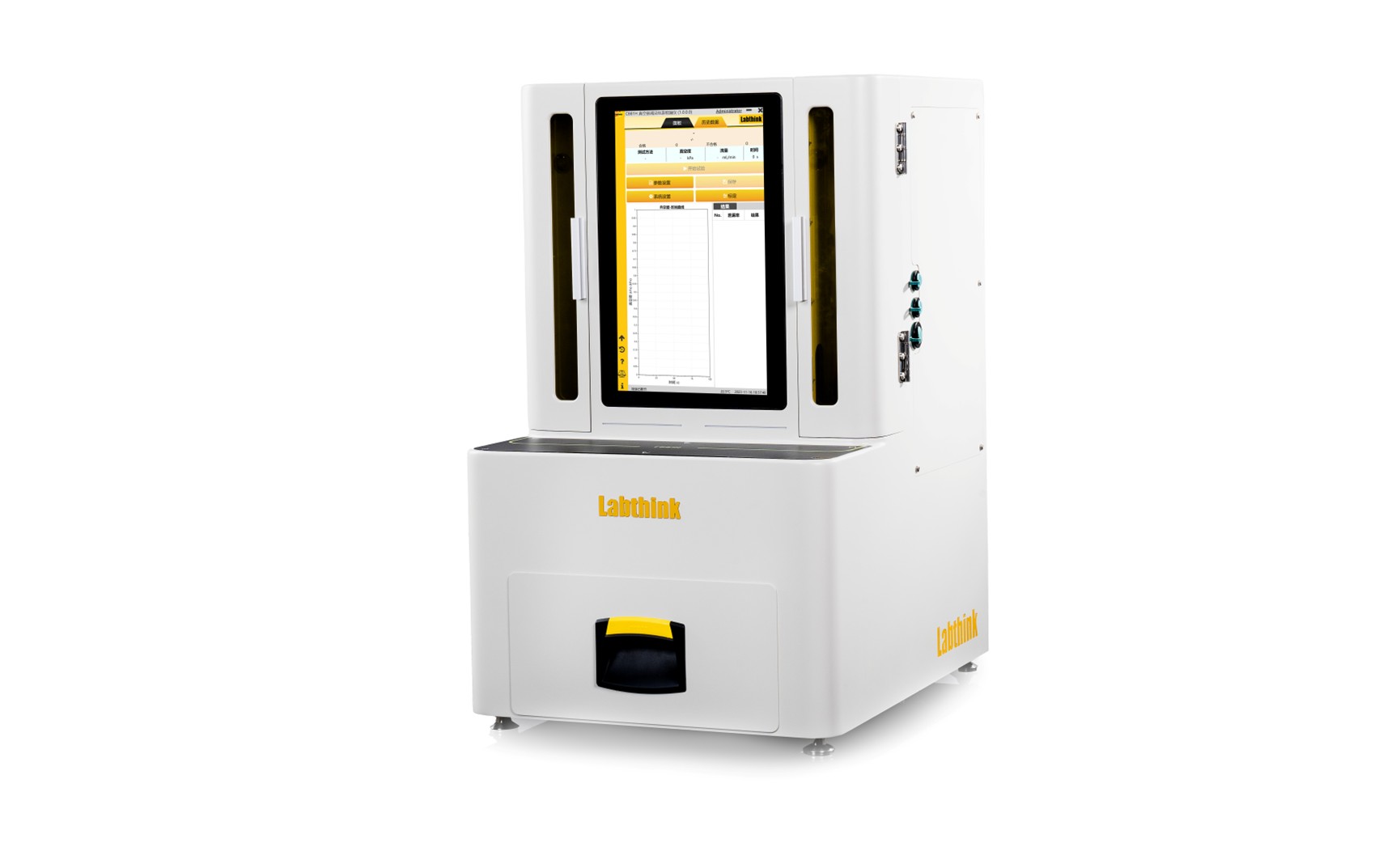
Labthink is a global leader in providing these solutions. With a comprehensive suite of instruments—ranging from the C610H Tensile Tester to the C403H Transmission Rate System—Labthink empowers manufacturers to meet the world’s most stringent standards with confidence and precision.
Explore the full range of testing solutions at en.labthink.com.