
Ophthalmic formulations are among the most sensitive pharmaceutical products. From the moment of filling to the beyond-use date, an eye dropper bottle must protect its contents against chemical oxidation, evaporation, and microbial contamination. Because the eye is highly susceptible to infection, any failure in the packaging’s physical or chemical integrity can lead to patient harm or product recalls.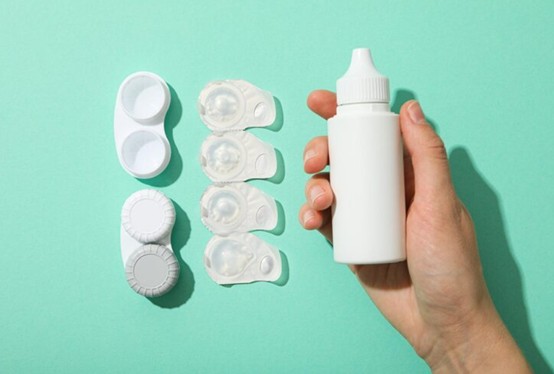
Key Takeaways of This Guide:
- Understanding how barrier properties influence the chemical potency of APIs.
- Evaluating the unique packaging requirements for preservative free eye drops.
- Implementing OTR and WVTR testing to predict and extend shelf life.
Which Packaging Factors Drive Eye?Drop Shelf Life?
Several interrelated factors dictate how long an ophthalmic product remains stable. While many consumers ask, "do eye drops expire? " the answer often lies in the performance of the plastic resins and sealing mechanisms used in the container.
Barrier Properties (OTR and WVTR)
Many ophthalmic active pharmaceutical ingredients (APIs) are sensitive to oxidation. Excessive oxygen transmission through the bottle walls or the closure can degrade the drug, leading to a loss of potency.
Similarly, water vapor transmission can cause the liquid to evaporate, increasing the concentration of the drug and potentially causing irritation upon application.
Container?Closure Integrity (CCI)
The interface between the dropper tip, the bottle neck, and the cap is a primary risk zone. Micro-channels or poor thread engagement can allow microbial ingress.
This is especially critical for preservative free eye drops, which lack the chemical & quot;safety net " to neutralize contaminants that enter the system.
Headspace and Dispensing Design
The amount of air left in the bottle after filling (headspace) provides an initial reservoir of oxygen. Furthermore, Ulti-dose bottles face repeated exposure to the environment.
The design of the dropper, whether it utilizes a standard tip or a high-end one-way valve, significantly impacts the preservative load required and the overall stability.
How Barrier and Integrity Tests Link Packaging to Shelf Life
To accurately predict shelf life, R&D teams require empirical data on how well the eye drop container limits permeation. Labthink’s advanced testing platforms provide the high-accuracy measurements needed for these calculations.
Oxygen Transmission Rate (OTR) Testing
For drugs prone to oxidation, measuring the OTR of the entire bottle is essential.
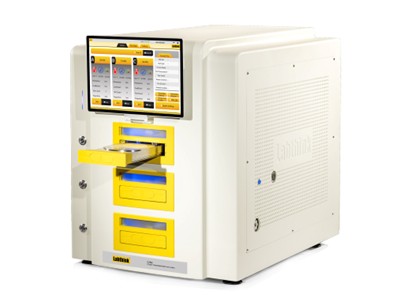
Labthink Solution: The C-Series Oxygen Transmission Rate Testers (utilizing coulometric sensor technology) provide the precision necessary to detect even trace levels of oxygen ingress through the polymer walls of an eye dropper bottle, ensuring the API remains stable throughout its lifecycle.
|
Water Vapor Transmission Rate (WVTR) Testing
Aqueous eye drops are susceptible to concentration changes due to moisture loss.
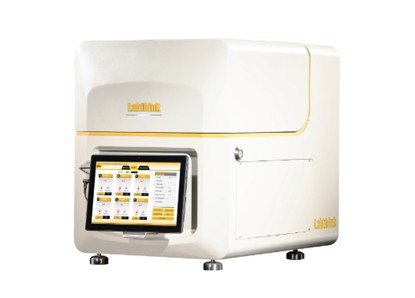
Labthink Solution: Labthink WVTR Testers evaluate the moisture barrier performance of the container. This data helps manufacturers predict the rate of weight loss over time, a key factor in setting the expiration date for liquid formulations.
|
Package Leak and Integrity Testing
Confirming that a bottle remains leak-tight through distribution is a regulatory mandate.
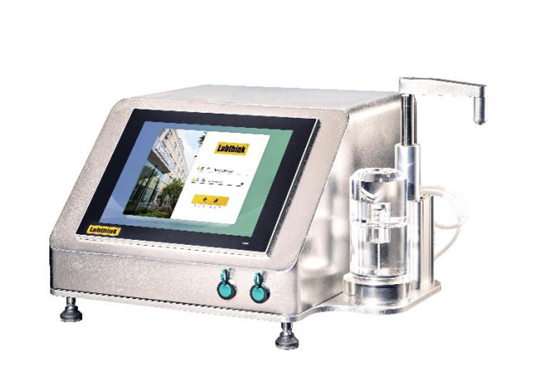
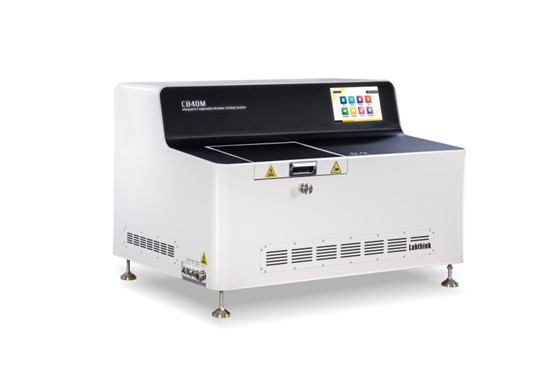
Labthink Solution: Using vacuum and pressure-decay-based Package Leak Testers, manufacturers can verify the integrity of the seal after the bottle has been subjected to simulated transport stresses. This ensures that no micro-leaks have developed that could compromise sterility.
|
Migration and Extractables Testing
It is vital to ensure that no residues from the plastic bottle migrate into the ophthalmic solution. Labthink provides specialized testing to ensure that materials stay within acceptable limits and do not destabilize the formulation.
Practical Strategies for Packaging Performance
Connecting packaging performance data with real-world stability requires a structured, data-driven approach.
- Integrate OTR/WVTR Data into Stability Models: Use the quantitative permeation data from Labthink instruments to create predictive models. If you know the oxygen sensitivity of your drug, the OTR data can tell you exactly when the API will fall below the required potency.
- Test Under Worst-Case Scenarios: Conduct barrier and integrity tests under conditions of high humidity and elevated temperature. This reveals how the eye drop container will perform in tropical climates or during summer transit.
- Evaluate "In-Use"Stability: For multi-dose containers, simulate the consumer’s behaviour (repeatedly opening and closing the bottle). Test the seal integrity at various intervals to determine how the mechanical wear of the cap affects the long-term sterile barrier.
- Set Realistic Beyond-UseDates: Use the combined data from leak testing and barrier analysis to provide clear storage instructions and in-use periods on the label, aligned with FDA and ISO expectations for ophthalmic products.
Ensuring Ophthalmic Safety Through Science
The performance of the eye dropper bottle is just as important as the formulation it holds. By prioritizing high-accuracy testing for oxygen transmission and container-closure integrity, pharmaceutical companies can protect patient vision and ensure that their products remain effective until the very last drop.
Labthink is a global leader in high-end packaging testing. Our instruments are designed to provide the traceable, accurate data required for the most sensitive pharmaceutical applications. From the R&D lab to the QC floor, Labthink helps you validate your ophthalmic packaging with confidence.