
The pharmaceutical industry strategically transitioning toward sustainable practices, through the integration of Post-Consumer Recycled (PCR) materials and lightweight packaging strategies.
However, in a highly regulated environment, "eco-friendly" cannot come at the expense of "regulatory compliance," these shifts require precise quantification of Oxygen and Water Vapor Transmission Rates (OTR/WVTR), as recycled polymers and thinner walls can significantly alter the barrier and mechanical properties of the packaging material and integrity of the container closure system.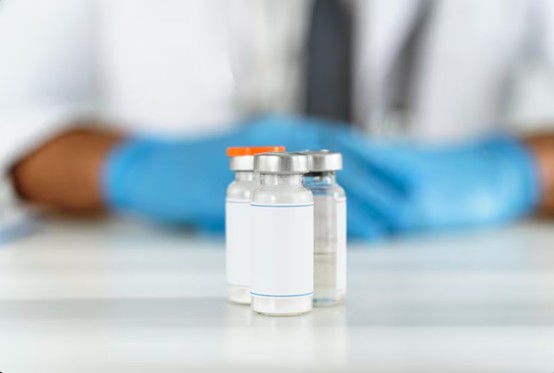
KeyTakeaways of This Guide:
- Addressing the unique mechanical and chemical challenges of PCR and downgauged materials.
- Differentiating validation strategies for parenteral versus solid-dose formats.
- Utilizing high-precision testing to generate regulatory-ready evidence for packaging validation.
The Material Challenges of Sustainability
Transitioning to sustainable drug plastics introduces variables that can compromise the safety and efficacy of the medication if not strictly validated.
General Material Obstacles
- PCR Variability: Unlike virgin resins, PCR content can suffer from inconsistent polymer chain lengths and potential impurities from the recycling feedstock. This variability can affect both the barrier properties and the aesthetic clarity of the package.
- Lightweighting Risks: "Downgauging" or thinning the walls of a container reduces the total material used but can lead to "barrier loss", where moisture or oxygen ingress increases, and mechanical fragility during high-speed capping or transport.
Specific Implications: Parenteral vs. Solid-Dose
- Parenteral Packaging (Vials, IV Bags): It is critical to note that PCR is rarely used in primary parenteral packaging due to severe Extractables & Leachables (E&L) risks. Validation for injectables should instead focus on lightweighting. The goal is maintaining absolute Container-Closure Integrity (CCI) with thinner walls. Future innovation may lie in chemically recycled, advanced medical-grade resins that offer virgin-like purity.
- Solid-Dose Packaging (Blisters, Bottles): For solid dose packaging, the focus shifts to moisture and oxygen barrier stability. When material thickness is reduced, the primary regulatory requirement is proving that the change has zero negative impact on Shelf Life Stability Testing.
Key Validation Questions and Test Strategies
To move forward, manufacturers must answer three critical questions: Does it protect as well as before? Does it survive the process? Does it stay safe over time?
Barrier Performance
Sustainable structures must be screened for their ability to exclude environmental contaminants.
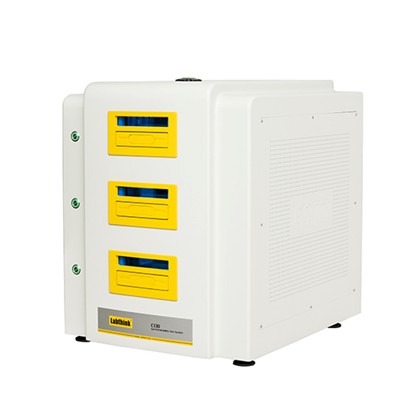
Labthink Solution: Labthink Water Vapor and Gas Transmission Rate Testers to compare PCR-blends and lightweight structures against current benchmarks. This is particularly vital for products highly sensitive to oxidation or hydrolytic degradation. |
Integrity and LeakTesting
Confirming that a package leak tester shows no breach is non-negotiable for maintaining sterility.
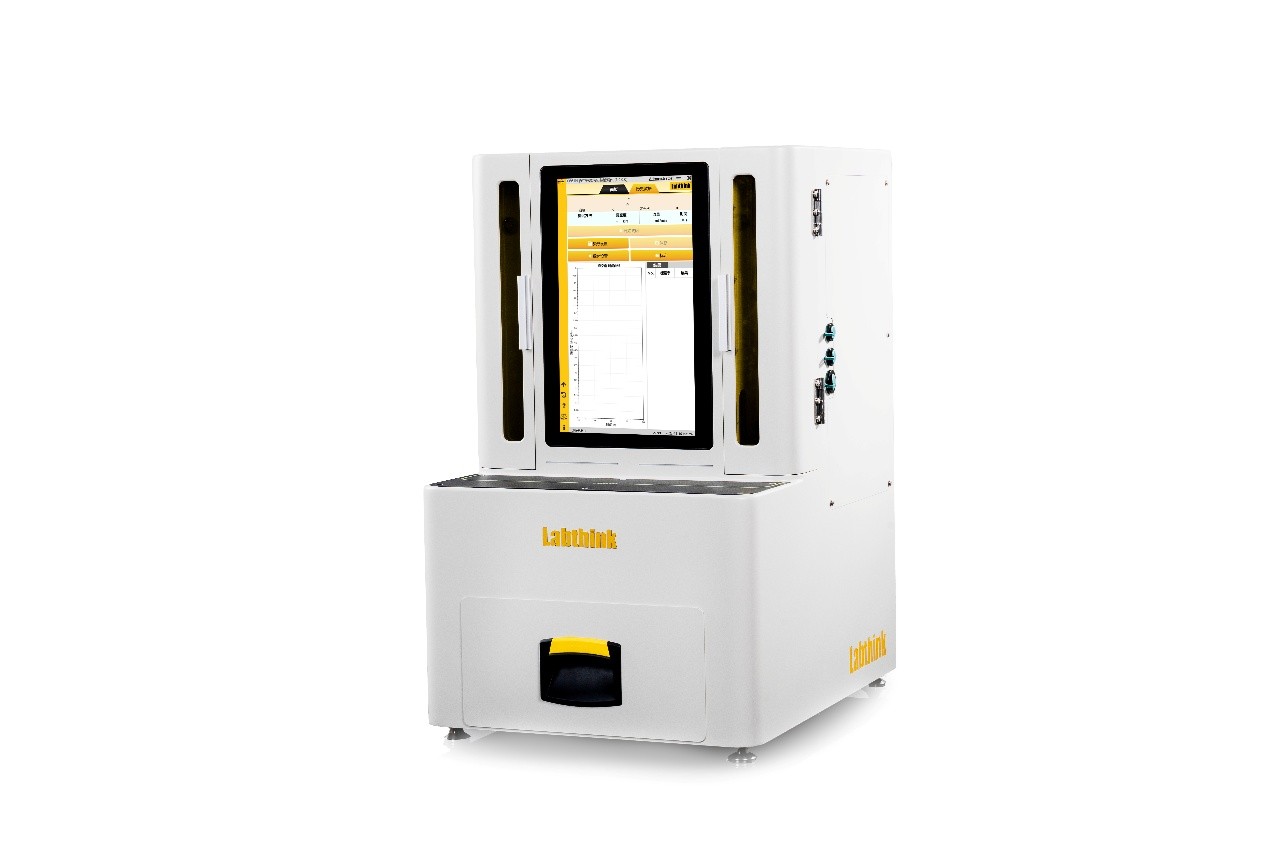
Labthink Solution: Confirm CCI for parenteral containers and leak tightness for high-risk solid-dose packs using Labthink vacuum and pressure-decay systems. These tests should be performed both before and after simulated handling to ensure the "green" material hasn't developed micro-fractures. |
Mechanical Robustness
Lighter or modified structures must withstand the physical rigors of the production line and global distribution.
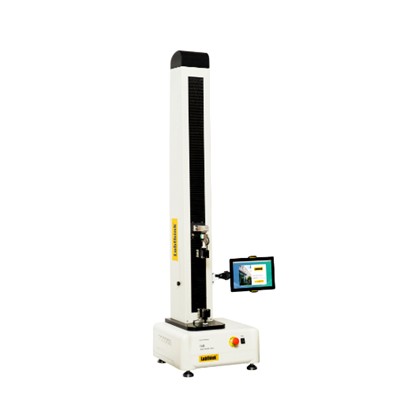
Labthink Solution: Evaluate puncture resistance, seal strength, and burst/compression properties. Using Labthink Tensile Testers, engineers can measure whether a thinner film still possesses the tensile endurance required for blister cavity forming and sealing. |
Environmental and Distribution Simulation
Packaging validation must reflect real-world use. By combining environmental conditioning (accelerated temperature/humidity) with distribution-like stresses (vibration and impact),Labthink instruments help simulate the lifecycle of the product to ensure stability remains intact.
Designing Efficient Validation Programs
A faster path to market for sustainable packaging lies in risk-based validation, focusing efforts where the material change creates the highest risk.
- Critical Failure Mode Mapping: Identify specific risks by product type. For blisters, focus on moisture ingress and mechanical damage; for parenteral containers, prioritize seal leaks and mechanical cracks under stress.
- Comparative Equivalence Studies: Design test panels that match the current "gold standard" material against the PCR or lightweight variant. Labthink’s high-precision data allows you to demonstrate equivalence or define clear safety margins that will satisfy regulatory auditors.
- Integrating Stability Support: Move beyond "Time Zero"testing. Integrate Shelf Life Stability Testing to show that barrier and integrity properties are retained over the entire duration of the drug’s shelf life.
- Regulatory-Ready Documentation: Ensure all test plans and results are clearly documented and traceable. This data is essential for BLA/NDA submissions and internal change controls when switching to sustainable polymer packaging.
Design Science-Backed Sustainability with Labthink
The shift toward PCR and lightweight packaging in the pharmaceutical sector is an engineering challenge as much as an environmental one. By utilizing advanced testing platforms, manufacturers can bridge the gap between "green" goals and the strict demands of solid dose packaging and parenteral safety.
Labthink provides the high-end instruments and testing services needed to validate the next generation of drug plastics. From high-accuracy barrier analysis to robust mechanical testing, our solutions ensure that your sustainable packaging is safe, compliant, and reliable.