
For industries handling flammable, or corrosive gases—such as specialty chemicals, semiconductor manufacturing, or pharmaceutical processing—packaging failure is not an option. A single breach can lead to product degradation, worker exposure, or environmental contamination. Evaluating barrier performance against these aggressive agents requires more than standard quality checks. It demands a systematic understanding of gas permeability, the property that determines how quickly a gas molecules migrate through a solid barrier over time.
Why Standard Leak Tests Fall Short for Hazardous Gases
Many packaging professionals rely on bubble tests or pressure decay methods to verify seal integrity. While useful for detecting pinholes or gross leaks, these techniques cannot quantify gas permeability at the molecular level. Toxic and reactive gases often permeate through seemingly intact films due to differences in molecular size, solubility, and diffusion coefficients. For example, hydrogen or methane can slowly penetrate a polymer layer. Measuring gas permeability under controlled temperature and humidity reveals the true steady-state transmission rate—data that simple pass/fail leak tests never provide. Without this insight, safety-critical packaging remains dangerously unverified. Labthink offers the precision instrumentation necessary to close this verification gap.
Standardized Methods for Reliable Gas Permeability Data
To evaluate barrier performance rigorously, manufacturers should adopt test methods aligned with ASTM standards—particularly ASTM D1434 for general gas permeability and ASTM F1307for oxygen transmission. Two principal approaches dominate the field: the differential pressure method and the coulometric sensor method. The differential pressure method measures the pressure increase on the low-pressure side of a clamped film exposed to the test gas, directly yielding the gas permeability coefficient. The coulometric sensor method, ideal for oxygen-sensitive applications, provides high sensitivity for oxygen transmission rate (OTR)testing. Both approaches can be adapted to reactive gases, provided the test cell uses inert, corrosion-resistant components. Repeating gas permeability measurements across multiple temperatures and humidity levels simulates real-world storage conditions, giving engineers confidence in material selection.
Building a Comprehensive Barrier Validation Protocol
Effective evaluation does not stop at a single gas permeability number. A robust protocol includes testing both pristine and aged materials, because exposure to reactive gases can alter polymer structure overtime. Additionally, comparing gas permeability values across candidate materials—such as ethylene vinyl alcohol (EVOH), polyvinylidene chloride(PVDC), or multilayer laminates—enables data-driven decisions. For extremely hazardous agents, consider testing at two or three concentration levels to understand non-linear permeation behavior. Documenting all gas permeability results in a qualified database supports regulatory submissions and internal risk assessments.
Final Insights: Partnering for Precision
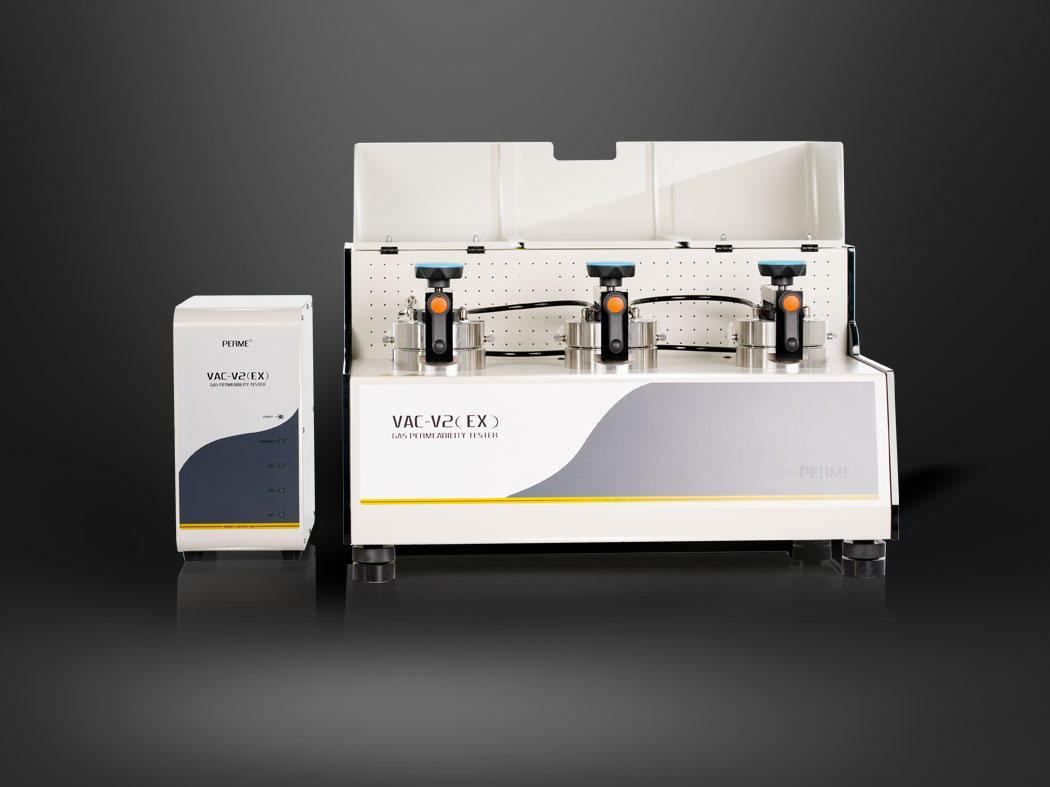
Assessing barrier performance against toxic and reactive gases transforms packaging from a passive container into an active safety system. At Labthink, we have built one of the most advanced and complete product lines for gas permeation analysis—the Labthink Gas Permeability Tester series. As precise gas barrier testers, our instruments measure gas transmission rate via the differential pressure method and oxygen transmission rate via the Coulometric Sensor Method, including dedicated CO? transmission rate testers. Our systems support ASTM gas permeability testing standards and adapt to diverse barrier materials, temperatures, and humidity levels. We at Labthink believe that reliable data on gas permeability is the foundation of safety-critical packaging. Let our technology help you validate every layer, every seal, and every shipment.