
A sterile medical device inside a compromised package is not a device—it is a risk. For manufacturers of surgical kits, implants, diagnostic tools, and disposable instruments, package integrity is the last line of defense between sterility and contamination. But what actually goes into medical device package integrity testing? The answer extends far beyond a simple visual check or a manual tug on a seal. At Labthink, a multinational technology company specializing in precision testing instruments for packaging analysis, we have spent decades helping medical device manufacturers answer that question with science, not guesswork. Comprehensive integrity testing requires robust seal tester solutions that quantify performance under real-world conditions. Let us break down what that truly means.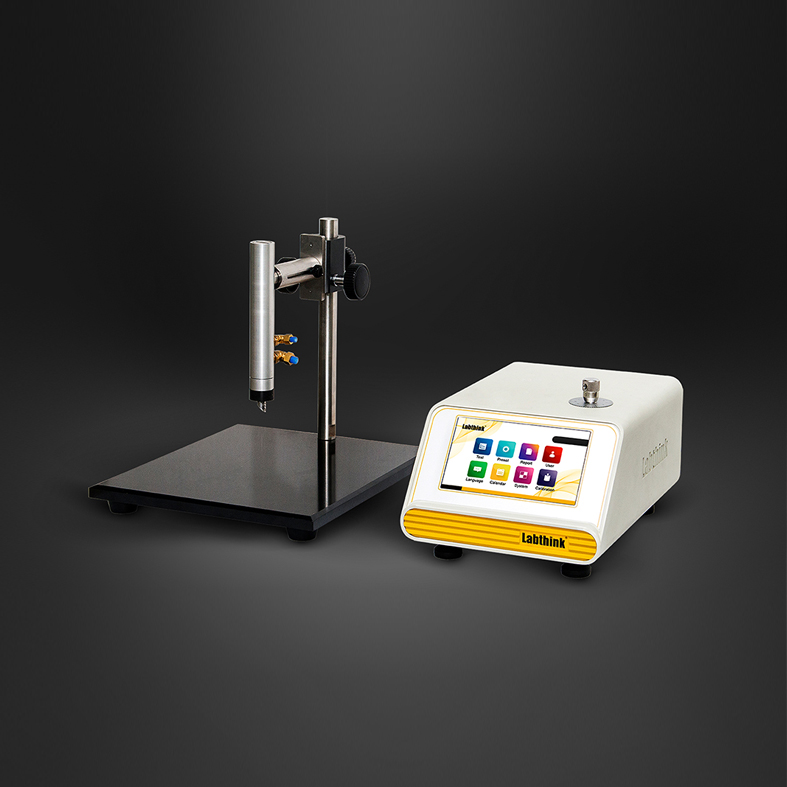
More Than a Seal Check: The Multiple Dimensions of Integrity
Many professionals assume package integrity testing begins and ends with a pass/fail seal check. In reality, a thorough seal integrity test evaluates multiple failure modes. Can the package withstand distribution pressures without bursting? Will the seal creep open under sustained load? Does the closure resist torsion forces during patient use? A single test method cannot answer all these questions. That is why medical device manufacturers require versatile seal tester platforms that adapt to different materials, package types, and risk profiles.
Labthink C660M: One Instrument, Complete Seal Integrity Testing
Labthink’s C660M Leak and Seal Strength Tester is engineered specifically for this challenge. It functions as a precise leak tester and a robust seal integrity test machine, performing critical evaluations including seal strength testing, burst-pressure leak testing, compression resistance testing, as well as torsion force and joint/disengagement force testing. The C660M is professionally applicable to the quantitative determination of seal strength, seal quality, burst pressure, and compression resistance for flexible packages, aseptic packages, plastic tamper-evident closures, flexible tubes, caps, and other medical packaging materials.
From Laboratory to Regulatory Submission: Why Method Matters
Medical device packaging must comply with ISO 11607 and other global standards. A credible seal integrity test requires documented evidence of test method validation, instrument calibration, and data traceability. The C660M supports regulatory submissions by providing reproducible, quantitative results. It eliminates subjective “feel” tests and replaces them with engineering data—burst pressure in psi, creep displacement in millimeters, failure mode analysis. For quality managers, this means confidence during audits. For patients, it means safety.
The Final Takeaway: Integrity Is Not Optional
Medical device package integrity testing is not a checkbox. It is a systematic process of identifying, measuring, and controlling failure risks. At Labthink, we provide the seal tester and seal integrity test solutions that make that process rigorous and repeatable. Contact us today. Because when sterility is on the line, only measured integrity will do.