
For quality assurance professionals in packaging, manufacturing, and material science, understanding the mechanical properties of substrates is non-negotiable. Whether validating the peel strength of a medical patch, the tear resistance of a protective film, or the tensile capacity of a plastic film, the equipment used must deliver precision, repeatability, and versatility. The architecture of a modern material testing system is designed to accommodate a wide array of specimens while providing the controlled conditions necessary to generate actionable data. Knowing the core components of such a system helps professionals select the right instrumentation for their specific testing needs.
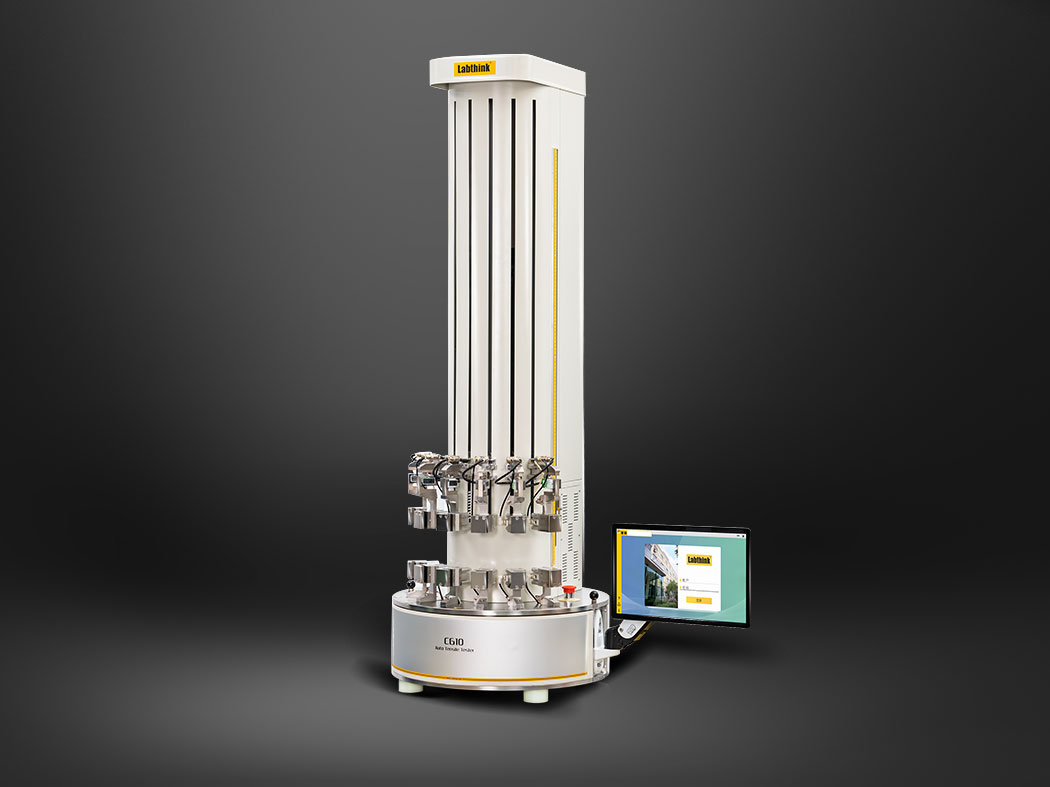
The Load Frame: The Structural Foundation
Every reliable tensile tester begins with a robust load frame. This is the structural backbone that houses the moving components and ensures alignment throughout the testing process. Typically constructed from high-strength materials to minimize deflection under stress, the load frame provides the rigid platform upon which specimens are mounted. Within this frame, a precision drive mechanism—often a ball screw or lead screw system—governs the movement of the crosshead. The quality of this assembly directly impacts the accuracy of results, as any misalignment or mechanical play can introduce errors into force and displacement measurements. For laboratories performing routine quality control or advanced material characterization, the stability of the load frame is the first determinant of a tensile testing equipment platform’s long-term reliability.
The Force Measurement System and Grips
At the heart of data acquisition lies the force measurement system, typically comprising a load cell and associated electronics. The load cell converts mechanical force into an electrical signal, with capacity ranges selected based on the materials being evaluated—from delicate adhesive tapes requiring low-force sensitivity to rigid plastic pipes demanding higher capacities. Equally critical are the grips or fixtures, which secure the specimen without slippage or premature failure at the contact points. A versatile tensile tester accommodates interchangeable grips for different applications: pneumatic grips for films and non-wovens, self-tightening grips for rubber and elastomers, and specialized fixtures for peel testing, adhesion evaluation, or puncture force determination. The combination of a high-accuracy load cell and application-appropriate grips ensures that the measured values reflect true material performance rather than artifact from the testing interface.
Control and Data Acquisition Systems
Modern tensile testing equipment integrates sophisticated control and data acquisition systems that transform raw measurements into meaningful metrics. A servo-controlled drive system governs crosshead speed with precision, allowing operators to conform to international test standards or simulate specific processing conditions. The control software manages test setup, real-time monitoring, and automated calculations of properties such as elongation, tensile strength, and tearing resistance. Advanced systems provide live curve displays, statistical processing, and customizable test methods—capabilities essential for laboratories handling diverse materials from plastic films and composite laminates to medical patches and adhesive tapes.
Precision Engineering for Diverse Applications
For over three decades, we at Labthink have designed tensile testing equipment that meets the rigorous demands of quality professionals across industries. Our auto tensile tester platforms are engineered to evaluate tensile strength, peeling, elongation, tearing, heat sealing, adhesion, puncture force, opening force, and more across an extensive range of materials—including plastic films, composites, flexible packaging, adhesive tapes, medical patches, non-woven fabrics, and beyond. We combine precision load frames, versatile grip systems, and intuitive control software into integrated solutions that deliver consistent, standards-compliant results. When you choose our tensile tester systems, you gain not only reliable instrumentation but also the support of a partner dedicated to helping you characterize material performance with confidence, from incoming raw materials to finished product validation.