
Ensuring the quality and reliability of plastic packaging materials is critical in the electronics industry, where moisture ingress can lead to corrosion, short-circuits, and reduced product lifespan. Understanding and accurately measuring water vapor transmission is essential. This guide outlines how to select the right instrument for water vapor transmission rate testing of plastics, highlighting the role of Labthink solutions in achieving precise and reliable results.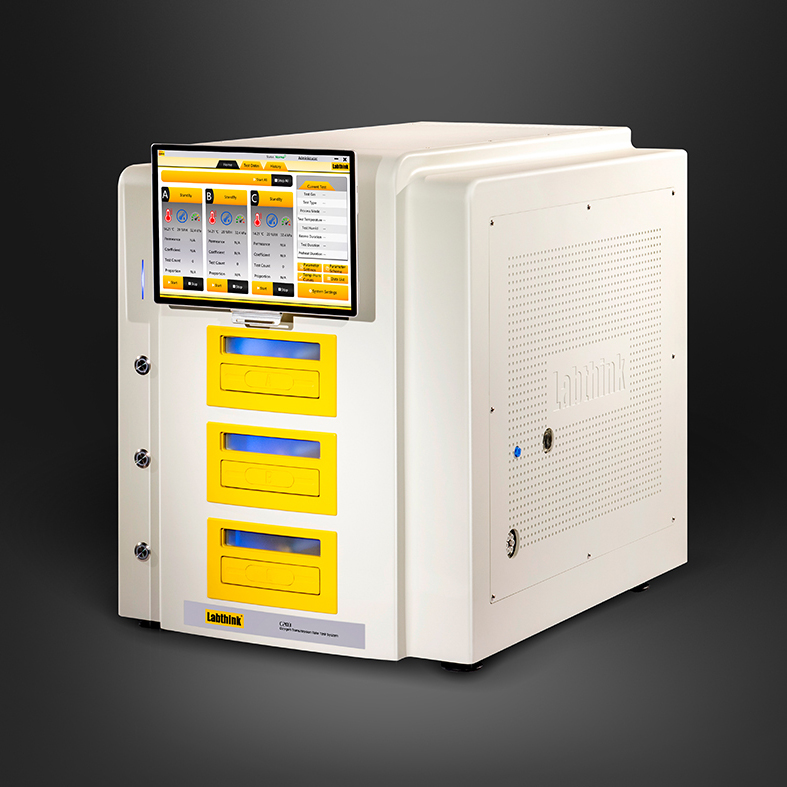
Understanding Water Vapor Transmission Rate for Plastics materials
The water vapor transmission rate (WVTR) measures how much water vapor passes through a material over a specified time under controlled conditions. Low WVTR values indicate better barrier properties, which is crucial for protecting sensitive electronic components. Different plastics, coatings, and multilayer films exhibit varying levels of water vapor permeability. Selecting a material without reliable testing could compromise product performance and shelf life.
Key Considerations for Instrument Selection
When choosing a testing instrument for water vapor transmission rate testing, several factors must be considered:
Accuracy and Sensitivity: High-performance electronics require superior barrier integrity to prevent minute levels of moisture permeation. Instruments must provide precise measurements to ensure protective standards are met.
Compliance with Standards: Devices should adhere to international testing standards like ASTM F1249or ISO 15106, ensuring results are comparable across laboratories.
Sample Versatility: The instrument should accommodate different plastic types, thicknesses, and multilayer structures common in electronics packaging.
Ease of Operation and Data Management: Modern instruments with automated testing, integrated sensors, and software for data logging improve efficiency and reduce user error.
Why Does Labthink Instruments Stand Out?
Labthink offers a range of WVTR testing instruments designed specifically for plastics used in sensitive electronics packaging. Their devices either with high-precision infrared or electrolytic sensors are strict adherence to ASTM and ISO standards. Models such as the C303H provide reliable water vapor transmission rate plastics testing for films, sheets, and multi-layer laminates. Labthink systems also feature automated conditioning, real-time data monitoring, and flexible sample handling, allowing manufacturers to obtain consistent and reproducible results efficiently.
Conclusion
Selecting the right instrument for water vapor transmission rate testing is essential for ensuring the integrity of plastic packaging in the electronics industry. By choosing a reliable partner like Labthink, companies can accurately measure WVTR of plastics, optimize material selection, and safeguard electronic products from moisture-related failures. Accurate testing not only protects product performance but also enhances quality control and compliance with industry standards.