
At Labthink, we often get questions about how to accurately assess the water vapor transmission rate (WVTR) of materials and what constitutes the standard test for WVTR. In this article, we explain the core concepts behind WVTR testing, the common standard methods used, and how a water vapor permeability tester plays a role in reliable measurement.
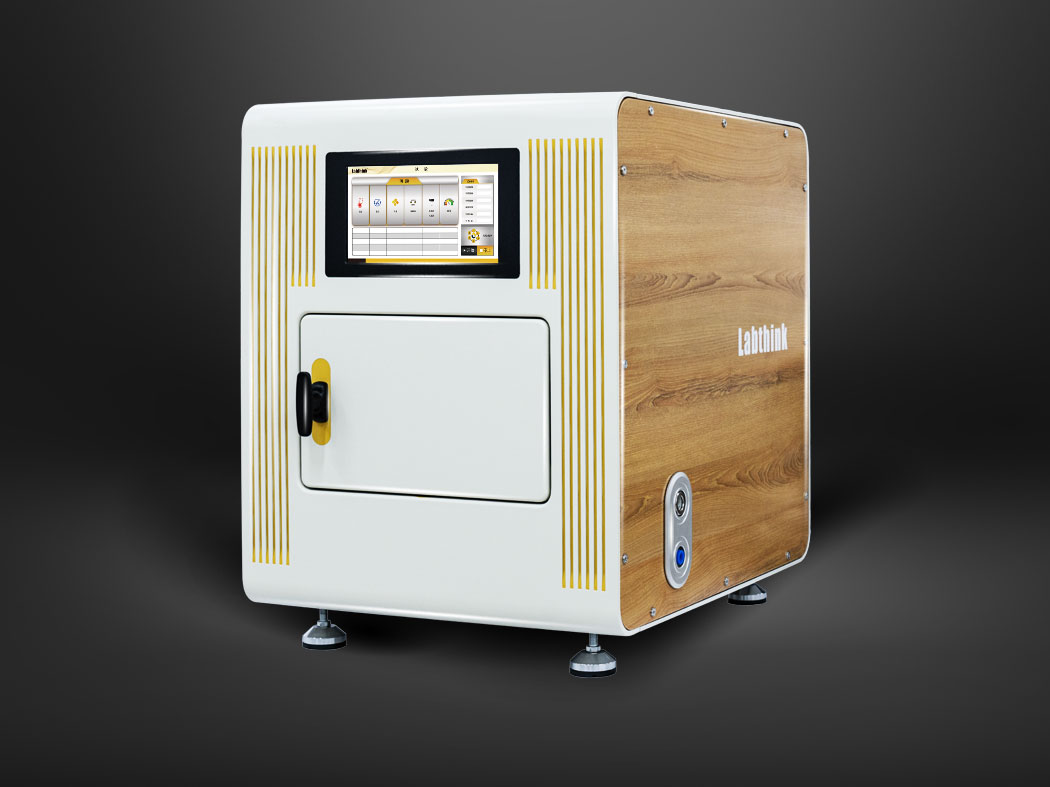
What Is a Water Vapor Permeability Tester?
A water vapor permeability tester is laboratory equipment designed to measure how much water vapor passes through a material over a specific period under controlled conditions. This measurement is commonly known as WVTR test and is crucial for evaluating moisture barrier performance in packaging, films, and other materials. WVTR reflects the rate at which water vapor permeates through a material per unit area, often expressed in g/m2·day under specified temperature and humidity conditions.
Materials used in packaging for food, pharmaceuticals, electronics, and other products need defined moisture barrier characteristics to ensure product quality and shelf life. That's why understanding the standard methods for determining WVTR is essential.
Standard Methods for WVTR Testing
There isn't a single universal WVTR test standard. Instead, multiple recognized standards provide reliable procedures for different material types and test conditions. These standards define test conditions, environmental settings, and calculation methods to ensure consistency and comparability of WVTR data.
Gravimetric (Cup) Methods
One of the earliest and widely accepted methods involves the gravimetric or cup method, where a sample seals the opening of a cup containing either desiccant or water. Over time, the cup's weight change is monitored to calculate the rate of water vapor passing through the specimen. This approach is standardized in methods such as ASTM E96 and ISO 2528, which can be applied to various materials, ranging from films to board and textiles.
Permeation & Polymers
Sensor-Based Methods
Sensor-based techniques use advanced detection systems to measure the water vapor crossing a test specimen directly. For example, the ASTM F1249 standard is widely used for flexible plastic films and sheeting. In this approach, a modulated sensor (often infrared) measures water vapor under controlled temperature and humidity, providing WVTR values that are quantitative and suitable for comparison across materials.
Other sensor-based standards include ISO 15106-2,which aligns with ASTM F1249, and ISO 15106-3, involving electrolytic sensors. These methods deliver accurate and reproducible WVTR results, particularly useful when testing barrier films or multilayer materials.
Specialized Standards
For specific industries, dedicated standards such as ASTM D7709 cover WVTR testing for pharmaceutical containers like bottles and blisters. Each method addresses the unique requirements of the materials tested and provides standard conditions to ensure meaningful evaluation.
Choosing the Right Standard for Your Material
Selecting the appropriate standard depends on the material type, its expected use, and regulatory needs. For flexible packaging films, sensor-based methods like ASTM F1249 or ISO 15106-2 are often suitable. For thicker sheet materials or composites, gravimetric methods might be more practical. Some industries may require a combination of methods to fully characterize moisture barrier properties.
Conclusion
Understanding what the standard test for WVTR entails is key to ensuring accurate and consistent moisture barrier evaluation. A water vapor permeability tester provides essential data for WVTR testing, using established standards like ASTM E96, ASTM F1249, ISO 15106, and others to reflect a material's barrier performance under controlled conditions.
At Labthink, we support arrange of WVTR test methods and help users select the most appropriate approach for their materials and testing requirements. Whether you are assessing packaging films or specialty containers, a well?executed WVTR test delivers the insights needed to make informed decisions about material performance.