
In the world of material testing, the gas transmission rate plays a crucial role, especially when it comes to packaging. We at Labthink specialize in providing advanced gas permeation test solutions that help industries ensure the quality and safety of their products. Understanding the gas transmission rate is vital for anyone involved in packaging materials, as it allows for the evaluation of how gases permeate through various materials.
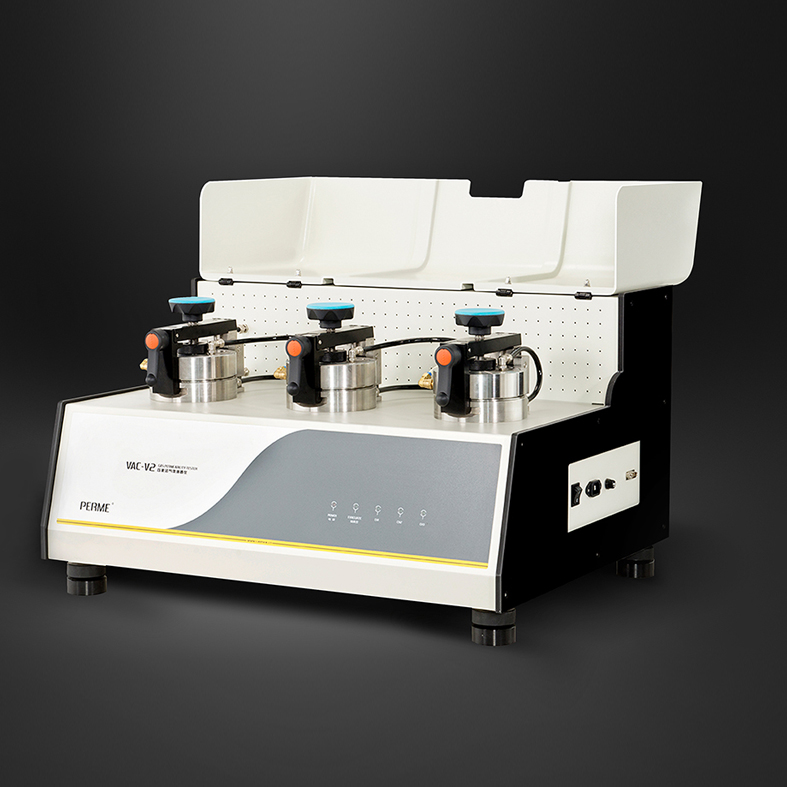
What is Gas Transmission Rate?
Gas transmission rate refers to the speed at which gas molecules pass through a given material. This rate is measured using specialized gas permeation testing devices. By understanding this rate, manufacturers can determine how effective a specific material is at acting as a barrier against gases like oxygen, carbon dioxide, and others. This information is critical for preserving the integrity of packaged goods, particularly in sectors like food and pharmaceuticals.
Importance of Gas Permeation Testing
Gas permeation testing offers valuable insights into material performance. For example, in food packaging, a low gas transmission rate for oxygen can significantly extend shelf life, while a controlled rate for carbon dioxide can help maintain the freshness and quality of products. In the pharmaceutical industry, it is paramount to ensure that medications remain intact and free from contamination, which makes accurate gas permeation measurements essential.
Labthink offers a range of gas permeability testers that adhere to various industry standards, including ASTM and ISO guidelines, which ensures that our clients can trust the results they obtain. By selecting the right gas permeability tester, manufacturers can not only meet industry requirements but also enhance their product quality.
How We Measure Gas Transmission Rate
At Labthink, we employ advanced testing methods to measure the gas transmission rate. Our instruments utilize techniques such as the differential pressure method, the coulometric sensor method, and specialized tests for battery separator films. These methods are designed to provide accurate and reliable data, helping manufacturers understand the effectiveness of their materials and packaging.
For instance, the differential pressure method measures the gas transmission rate by creating a pressure difference across the material being tested. This setup allows for precise data collection, making it a favored option in industrial applications. The coulometric sensor method is particularly useful for measuring oxygen transmission rate and is compliant with ASTM D3985 standards. For battery separator films, we use tailored gas permeability tests that evaluate the material's performance under conditions similar to actual battery operation. These tests are crucial for assessing safety and efficiency in lithium-ion and other advanced battery technologies.
Applications of Gas Transmission Rate Measurements
The applications of gas transmission rate measurements extend beyond just the food and pharmaceutical industries. They are also relevant in various fields, including electronics, automotive, and construction. In electronics, for instance, the permeability of packaging materials can affect the longevity and performance of delicate components. Therefore, understanding gas transmission rates is crucial for ensuring product durability and reliability.
Similarly, in construction, materials that interact with air and moisture require accurate gas transmission measurements to maintain structural integrity. By knowing the gas transmission rate, manufacturers can select appropriate materials for their specific applications, ensuring long-term efficiency and effectiveness.
Conclusion
In conclusion, understanding gas transmission rate is essential for ensuring the quality and safety of products across various industries. At Labthink, we pride ourselves on our commitment to providing precise testing solutions that empower businesses to enhance their product offerings. By utilizing our advanced gas permeability testers, manufacturers can confidently navigate the complexities of gas permeation testing, ensuring their materials meet the necessary standards for performance and reliability.