
In manufacturing and distribution, package testing is an essential part of quality assurance. Business buyers and suppliers increasingly require transparent, measurable results to ensure products and packaging protect goods through storage, transit, and handling. A testing service that follows recognized package testing standards gives both manufacturers and their clients confidence in package performance and compliance.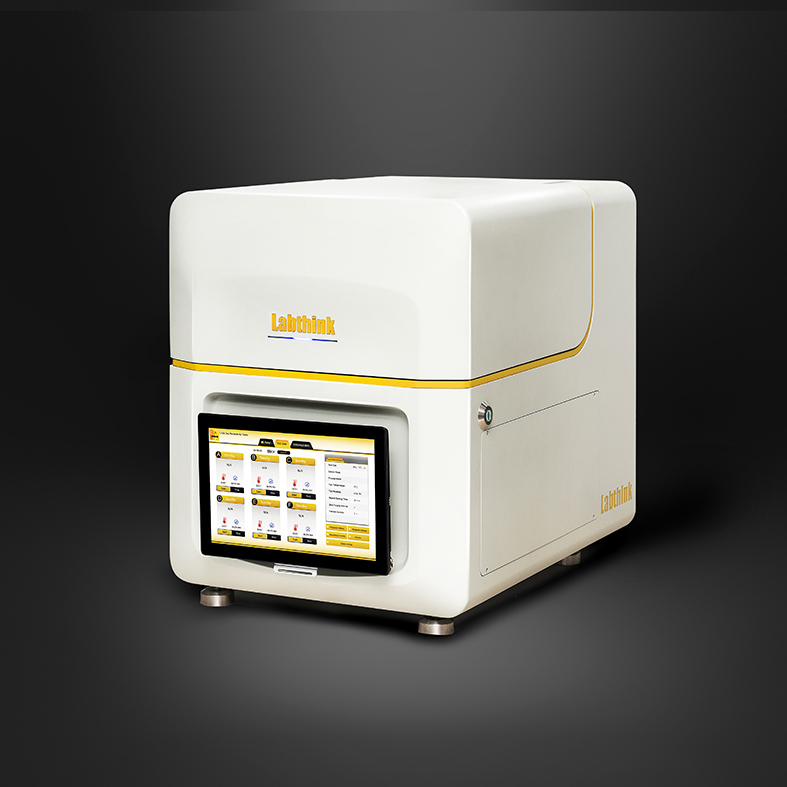
Understanding Package Testing Standards
Package testing refers to laboratory-based evaluations that simulate real-world stresses on packaging materials and finished packages. These tests measure how well packaging protects its contents from leaks, impacts, environmental changes, compression, vibration, and other distribution hazards. Several global organizations publish standards that define how tests should be performed so that results are reliable and comparable across suppliers and industries.
One well-established approach to package testing is through standards published by bodies such as ASTM International and the International Safe Transit Association (ISTA). ASTM standards include methods for performance testing of shipping containers, vibration resistance, impact tests, compression strength, and leak detection procedures. ASTM D4169 for performance testing of shipping containers and systems, for example, gives structured guidance on simulating transportation hazards to help ensure packages can withstand typical logistics stresses.
Alongside ASTM, ISTA provides test procedures that help companies assess how packaging performs under various distribution conditions. ISTA series include non-simulation integrity tests and general simulation performance tests, letting businesses evaluate a packaging design's robustness before it's deployed in actual shipping networks.
ISO standards also play a role, particularly in specialized sectors such as medical device packaging. ISO 11607 defines the requirements for packaging for terminally sterilized medical devices, including guidance for package integrity and barrier performance.
How Labthink Implements Package Testing Standards
A professional testing service provider, such as Labthink, supports global clients by applying these established standards to evaluate packaging performance. We at Labthink offers package integrity testing that aligns with recognized test methods including ASTM D3078, ASTM F2096, ASTM F2338, and ISO 11607. These methods cover tests such as vacuum decay, pressure decay, and bubble emission to detect leaks and seal failures in a controlled laboratory environment.
These standard methods help determine whether packaging for food, medical devices, pharmaceuticals, or other products performs as expected. For example, a bubble emission test per ASTM D3078 helps reveal gross leaks in flexible packaging by visualizing escaping air under vacuum conditions.
Beyond leak detection, Labthink's testing services can include permeability analysis and mechanical property measurements, ensuring packaging materials meet the correct standards for oxygen and water vapor transmission, sealing strength, and barrier performance. By combining package testing equipment with expert laboratory analysis, Labthink helps companies verify compliance and support product safety claims with documented evidence.
Benefits of Adhering to Standards
Following established package testing standards delivers multiple benefits for operations:
Improved consistency: objective criteria make test results repeatable and comparable. Risk reduction: testing under controlled conditions can reveal vulnerabilities before products reach customers. Regulatory compliance: documented results help meet industry or regulatory requirements. Supplier alignment: shared standards simplify communication between manufacturers, labs, and clients.
Conclusion
In commercial packaging, knowing what the standard for package testing means is critical for ensuring product integrity and customer satisfaction. Recognized methods from ASTM, and ISO provide detailed procedures for assessing how packaging responds to real-world conditions. Through a reliable testing service like those provided by Labthink, businesses can apply these standards to evaluate and validate their packaging solutions. By aligning package testing with globally accepted standards, manufacturers can improve quality, meet compliance obligations, and build stronger partnerships across supply chains.