
Permeability testing verifies how well packaging films and materials resist the passage of gases and moisture—vital information for shelf life, regulatory compliance, and product protection. Whether you source equipment from a precision test instruments supplier or outsource to a permeation testing service, following a rigorous, repeatable protocol ensures reliable barrier data. This article outlines essential steps, common pitfalls, and best practices for producing actionable permeation results.
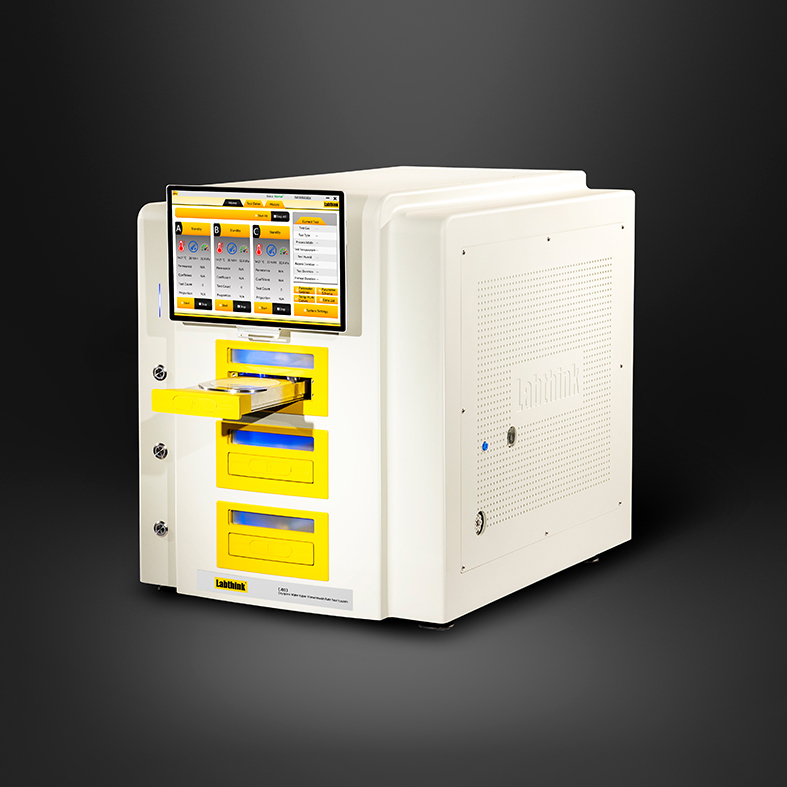
Selecting Equipment and Standards
Choose the correct permeation method (oxygen transmission rate, water vapor transmission rate, or carbon dioxide transmission) and the relevant standard(ASTM, ISO, or industry-specific). Work with a reputable testing instruments supplier to acquire calibrated package permeation testers and accessory components, permeation cells, controlled-humidity chambers, and reference gases. High-quality permeability test instruments that comply with international standards provide traceable measurements required for pharmaceutical, food, and other demanding industries. Confirm calibration intervals and request documentation or support from your testing instruments supplier for instrument qualification and maintenance.
Sample Preparation and Conditioning
Accurate testing starts with representative, undamaged samples. Cut specimens with tools that minimize edge damage and use standardized sample holders and gaskets toprevent leakage. Condition samples at the prescribed temperature and relative humidity for the required duration—this step dramatically affects results. Document sample origin, batch numbers, and pre-test handling. If you lack internal capabilities, a specialized permeation testing service can handle controlled conditioning and supply the procedural consistency needed for repeatable outcomes.
Test Setup, Calibration, and Execution
Mount the conditioned sample in the permeation cell according to the instrument manufacturer’s instructions. Perform warm-up routines, blank runs, and calibration checks with certified reference films or gases. A trusted testing instruments supplier or permeation testing service will provide SOPs and support documentation for these checks. Start the test under controlled conditions and monitor until steady-state permeation is reached; automated systems typically log cumulative transmission and calculate rates such as g/m2·day or cc/m2·day. Run multiple replicates to quantify variability and build statistical confidence. Maintain environmental logs so you can correlate any deviations with the measured data.
Result Interpretation and Troubleshooting
Convert raw transmission data into application-relevant metrics and compare them to acceptance criteria, barrier targets, or shelf-life models. If results are inconsistent, examine sample preparation, cell sealing, humidity control, and instrument calibration. Collaborate with your testing instruments supplier or permeation testing service to review anomalies—experienced suppliers and service providers can help identify root causes and recommend corrective actions, including recalibration, alternative sample handling, or procedural updates.
Why Partnering with the Right Provider Matters
Choosing the right partner matters. At Labthink, we provide precision permeability test instruments and a comprehensive permeation testing service, supported by consultative solutions to optimize laboratory workflows and packaging performance. We help clients achieve consistent, standards-compliant barrier data to support product quality and business decisions.