
Water vapor permeability is a critical property for packaging films and materials, describing the rate at which moisture passes through a specimen under a defined vapor pressure difference. Also called Water Vapor Transmission Rate (WVTR) or Moisture Vapor Transmission Rate (MVTR), this parameter directly affects product shelf life, quality control, and compliance. Companies choosing a testing instruments supplier or arranging a permeation testing service need a clear understanding of methods, equipment, and best practices to obtain consistent WVTR results.
Choosing the Right Test Method and Equipment
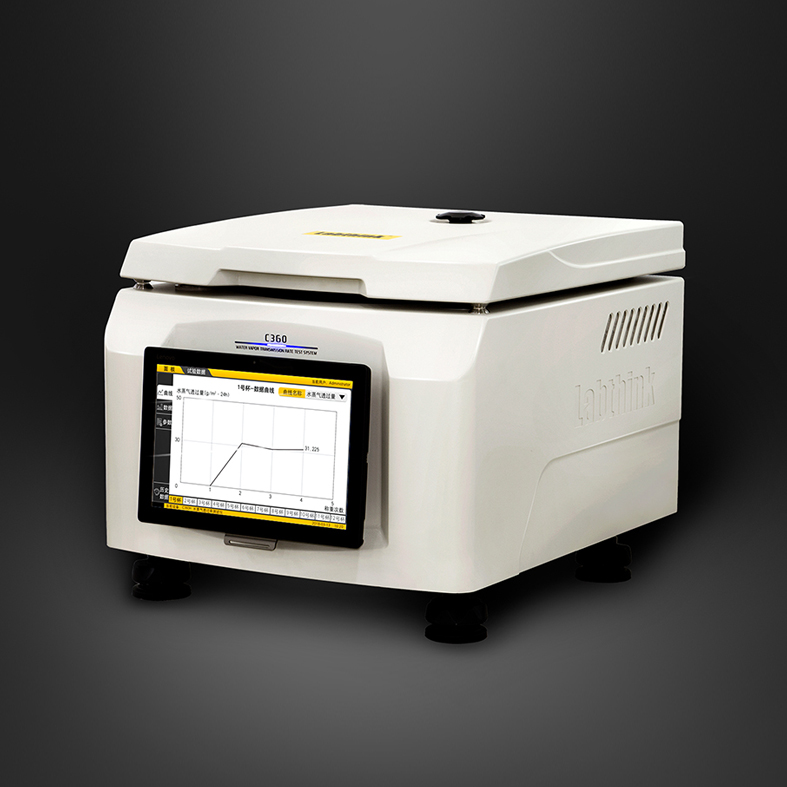
Select the method that matches your material type and production needs. Common standards include gravimetric methods (ASTM E96/GB 1037), infrared sensor methods (ISO 15106-2/ASTM F1249), and electrolytic sensor methods (ISO15106-3). Each technique has advantages: gravimetric testing is well established and versatile, infrared methods provide rapid, automated results, and electrolytic sensors are suitable for specific low-permeability films. When partnering with a testing instruments supplier, request detailed specifications and compliance documentation. A reputable WVTR test machine supplier will offer a complete product line of water vapor permeability testers and advise which system fits your throughput, accuracy, and regulatory requirements.
Sample Preparation, Conditioning, and Mounting
Accurate moisture permeation test begins with representative and properly conditioned specimens. Cut samples to the prescribed dimensions, avoiding edge damage, and condition them at the standard temperature and relative humidity for the required period. Use standardized sample holders and sealing gaskets to prevent edge leakage; improper mounting is a frequent source of error. If you lack in-house capability for strict conditioning, consider engaging a permeation testing service that can deliver repeatable pre-test treatment. Document sample batch information, handling history, and any surface treatments—this metadata is essential when comparing WVTR test results or investigating anomalies.
Running Tests, Calibration, and Data Interpretation
Setup the chosen water vapor permeability tester according to the manufacturer’s SOPs. Perform warm-up cycles, blank runs, and calibration checks against certified reference films or sensors. For gravimetric WVTR tests, ensure precise balance operation and controlled chamber conditions. For infrared or electrolytic systems, verify sensor calibration and flow controls. Record steady-state transmission rates—usually expressed as g/m2·day—and run multiple replicates to quantify variability. Translate raw data into actionable metrics for shelf-life modeling and barrier specification. When inconsistent outcomes occur, review conditioning, sealing, sensor calibration, and environmental control; a testing instruments supplier or permeation testing service can often help diagnose root causes.
Selecting a Partner That Delivers Comprehensive Variolations
Choosing a partner with both equipment depth and testing expertise reduces risk and accelerates time to reliable results. At Labthink, we provide an extensive line of water vapor permeability testers that cover gravimetric, infrared, and electrolytic standards, alongside consultative support and permeation testing service capabilities. We work with clients to match test methods to applications, ensure standards compliance, and deliver traceable data that supports product quality and market success.