
For packaging engineers and material scientists, accurately determining a material’s resistance to moisture is acritical analytical task. This resistance is quantified through Water Vapor Permeability—a calculation derived from the experimentally measured Water Vapor Transmission Rate (WVTR). At Labthink, we recognize that for our experienced clients, understanding this distinction and applying the correct testing standards is vital for selecting the right flexible films for products ranging from pharmaceuticals to sensitive electronics. We ensure our advanced WVTR testing machine provides the precise data required to perform this essential calculation accurately.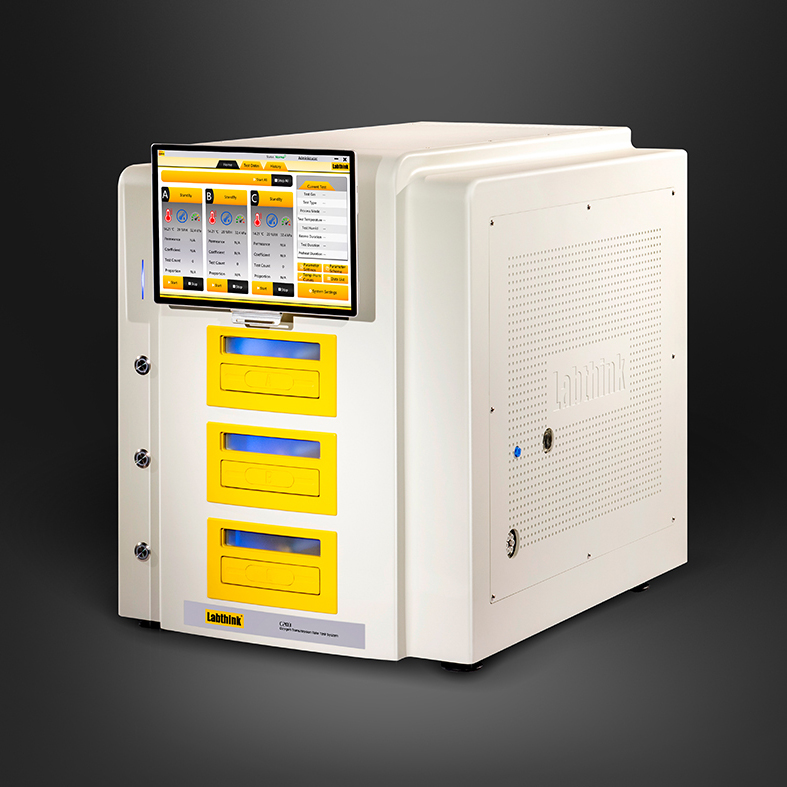
1.Understanding the Core Metrics: WVTR vs. Permeability
When we discuss the movement of water vapor through a flexible barrier, two terms are central, though distinct:
Water Vapor Transmission Rate (WVTR): This is the fundamental, measured property of the flexible material in a specific thickness. WVTR is defined as the mass of water vapor passing through a unit area of material per unit time, under specific temperature and relative humidity conditions. It is typically expressed in grams per square meter per day . WVTR is the direct result we obtain from a high-precision water vapor permeation analyzer.
Water Vapor Permeability: This is a material property that is independent of thickness. It is calculated by normalizing the measured WVTR value against two factors: the thickness of the flexible film and the difference in water vapor partial pressure across the material. Permeability allows for the direct comparison of the inherent moisture barrier capability between different polymers or flexible substrates, regardless of the test sample's thickness.
2.The Calculation of Water Vapor Permeability in Practice
For our R&D professionals, the calculation for water vapor permeability is essential when comparing material data sheets or engineering a new film structure. We determine permeability by taking the measured WVTR from the test, multiplying it by the measured thickness of the film, and then dividing that result by the difference in water vapor pressure present during the test.
We rely on the high accuracy of our instrumentation because precise measurement of WVTR and thickness is the foundation of a reliable permeability value. Errors in the laboratory measurement will directly lead to incorrect calculated material properties, which can result in costly packaging failures down the line.
3.The Instrumentation: The Labthink C303H Water Vapor Permeation Analyzer
Achieving the high precision and high repeatability necessary for this calculation is why our clients rely on specialized equipment. Our C303HWater Vapor Transmission Rate Test System embodies our dedication to high quality analysis for flexible materials, adhering to standards like ASTM F1249 and ISO 15106-2.
The C303H utilizes the Infrared Sensor Method, a technique we prefer for its long lifespan and stability. Key technical features of this WVTR testing machine include:
Precision and Range: The system boasts a wide test range , accommodating materials from highly permeable films to ultra-low barrier metallized laminates. The high precision of the infrared sensor allows for reliable readings at the low end of this spectrum, which is crucial for determining the shelf life of moisture-sensitive pharmaceuticals.
Controlled Testing Environment: The C303Hprovides crucial, stable control over the testing environment. Furthermore, the relative humidity control (essential for the accurate pressure calculation) is highly precise at Relative humidity ±1%.
High Efficiency and Multi-Function: The instrument is configured with multiple independent test cells. This multi-function capability allows us to test three different samples simultaneously under the same conditions, maximizing laboratory throughput and providing reliable comparative data in a fraction of the time required by single-cell testers.
4.Why Precision in Permeability Calculation Matters
For our clients, calculating the accurate water vapor permeability of flexible film is not an academic exercise; it is acritical step in risk management and cost control.
Material Selection and Customization: When designing a new package, engineers use the permeability value to predict the required film thickness for a specific WVTR target. This allows for the customizable engineering of multi-layer structures, ensuring the thinnest and most cost-effective material is used while still achieving the required shelf life.
Validation of New Films: As the industry transitions to sustainable and recycled flexible materials, comparing the calculated permeability of these new films against established standards is the only way to validate their barrier effectiveness reliably.
Predictive Shelf Life: By knowing the permeability of the material, along with the expected temperature and humidity conditions in the supply chain, we can confidently predict how long the product will last before moisture gain or loss exceeds acceptable limits. This certainty is a cornerstone of brand quality assurance.
5.The Labthink Advantage: Long Lifespan and Repeatability
We commit to providing instruments that offer a superior long lifespan and high operational reliability. The durable design of our water vapor permeation analyzer minimizes drift and sensor fatigue, which is a common problem in less advanced equipment. This longevity, coupled with the proven high repeatability of the Infrared method, ensures that our clients’ investment yields consistent, verifiable data for years.
In summary
Calculating water vapor permeability is the final, crucial step in understanding a flexible material’s intrinsic moisture barrier performance. This requires precise initial data from a reliable WVTR testing machine like the Labthink C303H, allowing our experienced clients to make material decisions based on science, not guesswork.