
We understand that for experienced professionals in flexible packaging, film production, and quality assurance, measuring gas permeability is the definitive step in controlling product preservation. Permeability determines how quickly a flexible barrier material allows gases (like oxygen, carbon dioxide, or nitrogen) to pass through it, a rate that directly governs the shelf life of food, pharmaceutical, and specialty products. At Labthink, we specialize in providing high quality instruments that execute this complex analysis with high precision and high repeatability, primarily using the differential pressure method.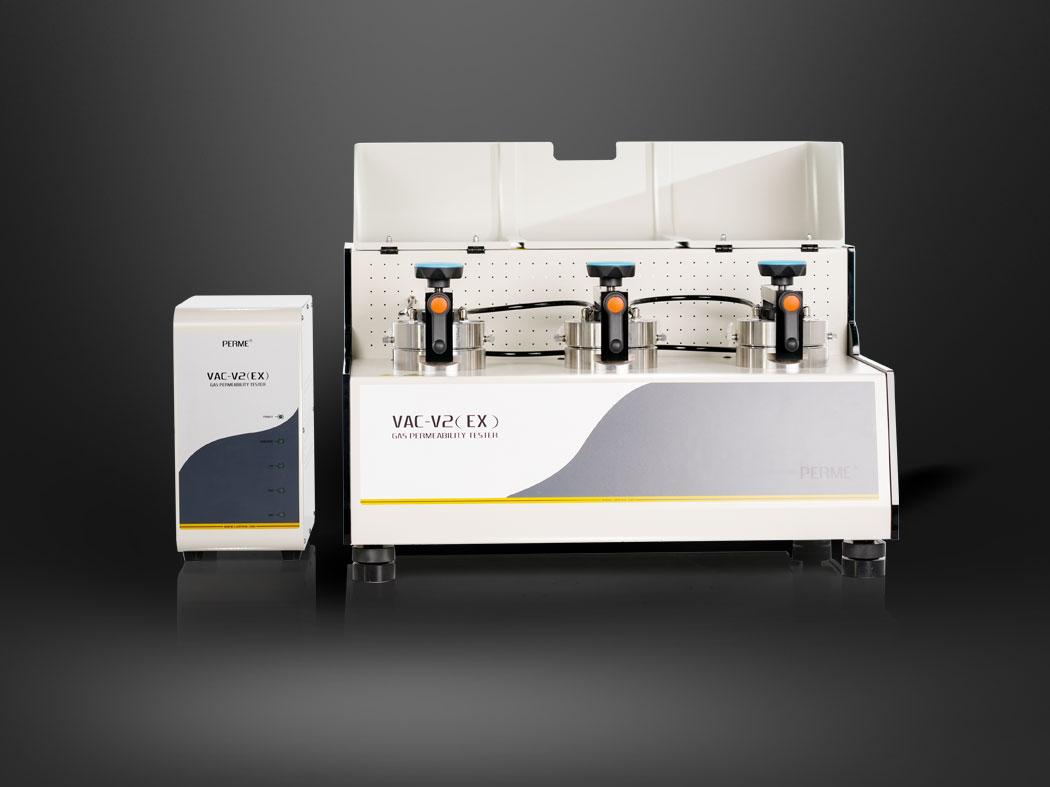
1.Understanding Gas Permeability and Transmission Rate
When we discuss the barrier properties of flexible barrier material, we primarily focus on two related metrics:
Gas Transmission Rate (GTR): This is the volume of gas that passes through a unit area of film per unit time under specific pressure and temperature conditions. It is the directly measuredvalue, typically expressed in cubic centimeters per square meter per day. This is the key specification for end-users determining a product’s shelf life.
Gas Permeability Coefficient: This is the intrinsic property of the polymer itself, calculated by normalizing the GTR to the film’s thickness and the pressure difference used in the test. Permeability is independent of the test sample's thickness and is primarily used by R&D engineers to compare the inherent barrier capability of different polymer types.
We must rely on accurate and consistent GTR measurements to derive reliable permeability data. Errors in the test process invalidate the entire barrier analysis.
2.The Differential Pressure Method for Gas Permeability Tester
For testing the permeability of gases like Nitrogen , Carbon Dioxide , or air through flexible films, the differential pressure method is widely adopted, adhering to international standards such as ASTM D1434 and ISO 15105-1. This is the core technology behind our specialized gaspermeability tester instruments, like the VAC-V2 model.
The process involves mounting the flexible film specimen to separate a high-pressure chamber (the test gas side) from a low-pressure chamber (the evacuated side). The procedure follows these critical steps:
Vacuolization: Both the high-pressure and low-pressure chambers are evacuated to a high vacuum degree , ensuring any residual gas is removed. This requires an imported high quality vacuum pump to achieve the necessary efficiency.
Test Gas Introduction: The test gas is introduced into the high-pressure chamber, creating a significant pressure differential across the test film.
Measurement: As the gas permeates through the film, it enters the low-pressure chamber. The gas permeability tester monitors the subsequent increase in pressure over time within the low-pressure chamber using highly sensitive vacuum sensors.
Calculation: Once the gas flow reaches a steady state (i.e., the rate of pressure increase becomes constant), the instrument’s software uses this rate of change to calculate the GTR and the permeability coefficient.
3.The Labthink VAC-V2 Gas Permeability Tester: Technical Features
Our VAC-V2 Gas Permeability Tester is specifically engineered for the high-level R&D and QC environments utilizing flexible barrier material. This instrument is an example of our dedication to providing analytical solutions with high precision and a long lifespan.
Key specifications and features of theVAC-V2 that are relevant to experienced technicians include:
Wide Test Range: The instrument features abroad standard test , with an extended volume option available to test materials with even higher permeabilities. This versatility allows for testing everything from high-barrier composites to more permeable films.
High Precision and Sensitivity: It is equipped with imported high-precision vacuum sensors and can achieve a high vacuum resolution, ensuring accurate testing of both high- and ultra-low barrier materials. The use of advanced sensors contributes directly to the instrument’s long lifespan.
Temperature Control and Stability: Permeation is highly sensitive to temperature. The VAC-V2 provides a wide temperature control. This is essential for performing accurate studies under various shelf-life and supply chain conditions.
Multi-Function and Efficiency: The gas permeability tester is designed with three independent test cells. This multi-function configuration allows three different flexible film samples to be tested simultaneously, drastically improving laboratory throughput and providing data with high repeatability.
Customizable Testing: The system can be configured to test various gases , and the professional software allows for customizable test modes, ensuring the instrument adapts to specific client applications, such as evaluating new biodegradable or specialty barrier films.
4.The Strategic Value of Accurate Permeability Data
For our experienced B2B clients, the precise data provided by a reliable gaspermeability test is a powerful strategic asset.
Material Selection and Cost Control: Knowing the exact GTR and permeability coefficient of a flexible barrier material allows engineers to optimize film structures. They can avoid the costly mistake of using over-engineered, high-barrier materials when a lower-cost option is sufficient, or conversely, prevent product loss by ensuring the barrier meets the minimum required specification.
Troubleshooting and Quality Control: High repeatability in measurements is necessary for statistical process control. Consistent data from the VAC-V2 allows quality teams to quickly identify manufacturing deviations or inconsistencies in film batches before they lead to product spoilage.
Compliance and Validation: Accurate GTR data, traceable to international standards, is required for many regulatory submissions, particularly in the pharmaceutical and modified atmosphere packaging (MAP) sectors. The high quality of our testing equipment ensures that clients meet these rigorous validation requirements.
Conclusion
We at Labthink focus on enabling our clients to achieve precise, reliable, and high-throughput gas permeability measurements, giving them the confidence to design, validate, and guarantee the performance of their flexible barrier material in a competitive global market.