
Understanding the ISO standard for WVTR is fundamental for selecting materials with the correct barrier properties for your application. As a supplier, we know that precise knowledge of these standards ensures your packaging protects product integrity, whether for food freshness or pharmaceutical stability. This article explains the key ISO standard and its role in material performance. Our goal is to provide you with the factual information needed for your material selection process.
Water Vapor Transmission Rate Testing Standard
The primary ISO standard governing Water Vapor Transmission Rate (WVTR) is ISO 15106. This international standard specifies a method for determining the water vapor transmission rate of plastic film, plastic sheeting, and multi-layer structures including co-extruded sheets. It is a critical benchmark for quantifying how much water vapor passes through a material over a specific area and time, under controlled conditions of temperature and humidity. This data is essential for industries like food packaging and pharmaceuticals, where moisture control is vital for product shelf life and efficacy. The standard provides a consistent and repeatable methodology, allowing for reliable comparison of material performance across different suppliers and laboratories. Accurate measurement of the moisturevapor transmission rate helps manufacturers ensure their packaging meets the necessary protective requirements, preventing spoilage and maintaining product quality from production to end-user.
Iso Testing Method Specification
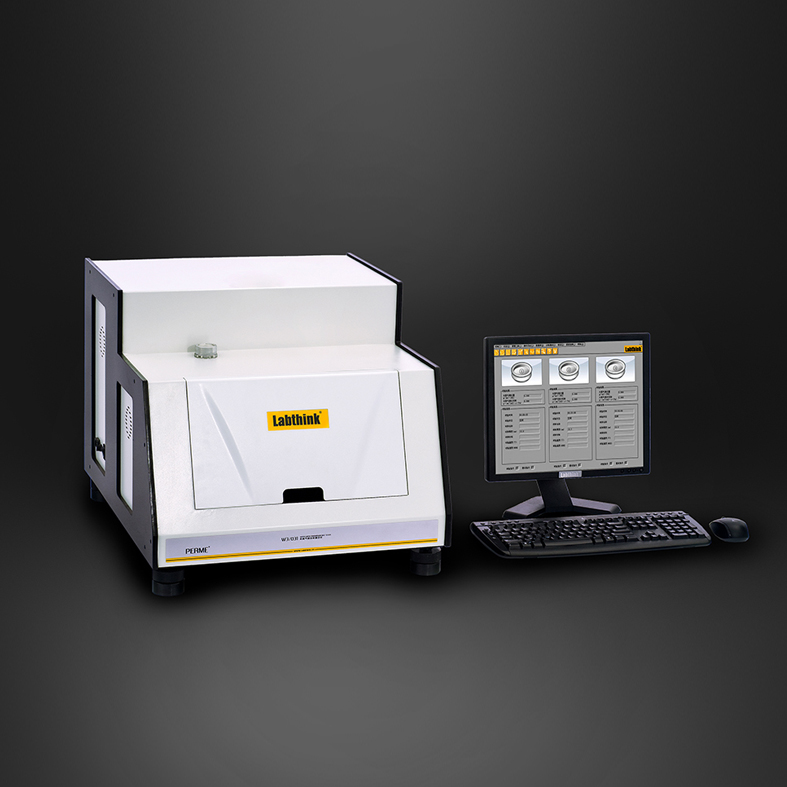
ISO 15106-2 specifically details the infrared sensor method for WVTR determination. The procedure involves placing a test sample between two chambers: one with humid air and the other with dry nitrogen carrier gas. Water vapor that transmits through the sample is carried by the nitrogen gas to an infrared sensor. The sensor detects the water vapor concentration, and this data is used to calculate the transmission rate. The standard meticulously outlines requirements for test conditions, including temperature, humidity levels, and calibration procedures to ensure result accuracy and reproducibility. This method is chosen for its sensitivity and speed compared to traditional gravimetric techniques. Adherence to this specification, as recognized by organizations like Labthink, guarantees that test results are consistent and internationally comparable, providing a reliable foundation for material specification and quality control processes in various manufacturing sectors.
Material Barrier Performance Measurement
Measuring WVTR according to ISO 15106 is a direct assessment of a material's barrier performance against water vapor. The resulting value, typically expressed in grams per square meter per 24 hours (g/m2·day), quantifies the material's permeability. A lower WVTR value indicates a better barrier, meaning less moisture can penetrate the packaging. This measurement is crucial for predicting the shelf life of moisture-sensitive products and for validating that packaging materials perform as intended in real-world storage conditions. The test can be applied to a wide range of materials, including single-layer films, coated papers, and complex multi-layer laminates used in flexible packaging. By providing a standardized metric, the Water Vapor Transmission Rate test enables material scientists and packaging engineers to make informed decisions, select appropriate materials for specific environmental challenges, and ensure consistent quality across production batches.
Conclusion
We provide the Labthink C303H Water Vapor Transmission Rate Test System for performing WVTR water vapor transmission rate testing on materials such as films and plastics. Our system uses an infrared sensor to measure water vapor diffusion and is compliant with the ASTM F1249 testing standard. It is designed for evaluating the water vapor transmission performance of packaging materials used in food, pharmaceutical, and electronics applications.