
In modern laboratories, the residue on evaporation test plays a key role in determining the non-volatile content left after a liquid sample evaporates. This process is widely applied in industries such as food packaging, pharmaceuticals, and chemicals, where purity and compliance are essential.
Manual evaporation residue testing can be time-consuming and prone to variability. By introducing automated systems, laboratories can significantly improve testing efficiency. Automation reduces repetitive handling, shortens testing cycles, and allows technicians to focus on data interpretation rather than manual operations.
In addition, regulatory frameworks and quality audits increasingly require consistent and traceable data. Automated systems help laboratories align with these expectations by standardizing procedures and minimizing human error. This ensures that test results are both reliable and repeatable across different batches and operators.
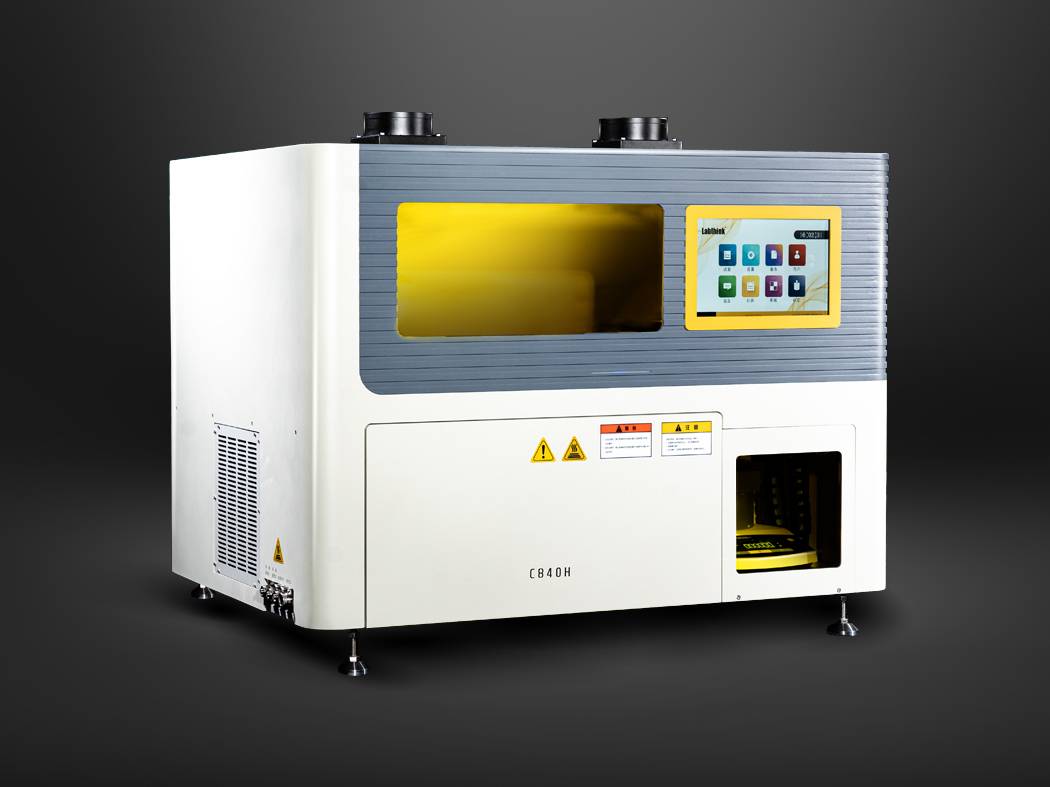
Core Components of an Evaporation Residue Testing System
An effective evaporation residue testing system integrates several critical modules to ensure accuracy and consistency throughout the process.
The water bath or evaporation module is responsible for controlled solvent removal. Stable heating ensures that evaporation occurs evenly without sample loss or contamination.
The drying system typically operates within a temperature range of 105 to 110 degrees Celsius. This stage removes residual moisture and ensures that only non-volatile substances remain for measurement.
A high-precision weighing system is essential for detecting small mass differences after evaporation. Accurate weighing directly impacts the reliability of the residue on evaporation test, making it a central component of the system.
Key Factors for Systems election
When selecting a system for evaporation residue testing, laboratories should focus on several technical indicators.
Weighing accuracy and repeatability are fundamental. Even minor deviations can affect final results, especially when working with low residue samples.
Temperature control stability is equally important. Fluctuations during evaporation or drying can lead to inconsistent outcomes and compromise data integrity.
Testing capacity and throughput should align with laboratory workload. Systems with multiple test positions can support higher sample volumes and improve operational efficiency.
Safety design is another consideration. Features such as leak prevention and controlled heating environments help protect both operators and samples, ensuring a stable testing process.
Technical Strengths of the Labthink C840 System
The Labthink C840 system integrates evaporation, drying, and weighing into a unified workflow. This design reduces manual intervention and enhances overall testing efficiency.
It supports a wide range of applications, including food, pharmaceutical, and chemical testing scenarios. This flexibility allows laboratories to use a single system across multiple testing requirements.
Consistent data output is another advantage. By standardizing each stage of the process, the system helps ensure that results remain stable and comparable over time.
Future Trends in Laboratory Testing
Laboratories are increasingly moving toward automation to replace manual procedures. This shift not only improves efficiency but also enhances data consistency.
There is also a growing emphasis on data traceability. Automated systems enable better record-keeping and facilitate compliance with stricter industry regulations.
As regulatory requirements continue to evolve, laboratories that adopt advanced evaporation residue testing solutions will be better positioned to maintain accuracy, efficiency, and compliance in their operations.