
Gravimetric testing is an analytical approach based on measuring mass changes of a sample. By observing the weight before and after a process, laboratories can quantify components with high precision. This method is widely applied across industries such as food, pharmaceuticals, and chemicals, where accurate determination of residues or additives is critical. In chemical laboratories, gravimetric analysis helps ensure compliance with safety and quality standards by providing reliable quantitative data.
Core Principles of Evaporation Residue Testing for Chemical Reagents
Evaporation residue testing for chemical reagents focuses on identifying non-volatile residues that remain after solvent evaporation. These residues can indicate contamination, concentration levels, or the presence of additives in reagents. By determining the amount of residue left behind, laboratories can verify reagent quality and ensure that processes relying on precise chemical composition are accurate and consistent.
The primary objective of this testing is to provide a clear measurement of any solids or impurities that do not evaporate under controlled conditions. Understanding these residues is essential for maintaining chemical integrity and supporting regulatory compliance.
Standard SOP Workflow
A typical gravimetric testing procedure for evaporation residue involves several key steps. First, the sample is brought into contact with a chosen extractant or simulated solution to replicate the conditions it will encounter in its intended application. Next, the solution is evaporated to dryness under controlled conditions, leaving behind the residue. The dried residue is then weighed with a high-precision balance until constant weight is achieved, ensuring that all moisture has been removed. Finally, the results are calculated and expressed in units such as mg/dm2 or mg/groveling standardized data for comparison and reporting.
Key Factors Affecting Test Results
The accuracy and reliability of evaporation residue testing depend on several factors. Temperature and time must be carefully controlled to prevent loss or degradation of residues. High-precision weighing instruments are required to detect small mass changes accurately. Consistent and standardized operating procedures further reduce variability and improve repeatability across different laboratories and operators.
Labthink Automated Solutions
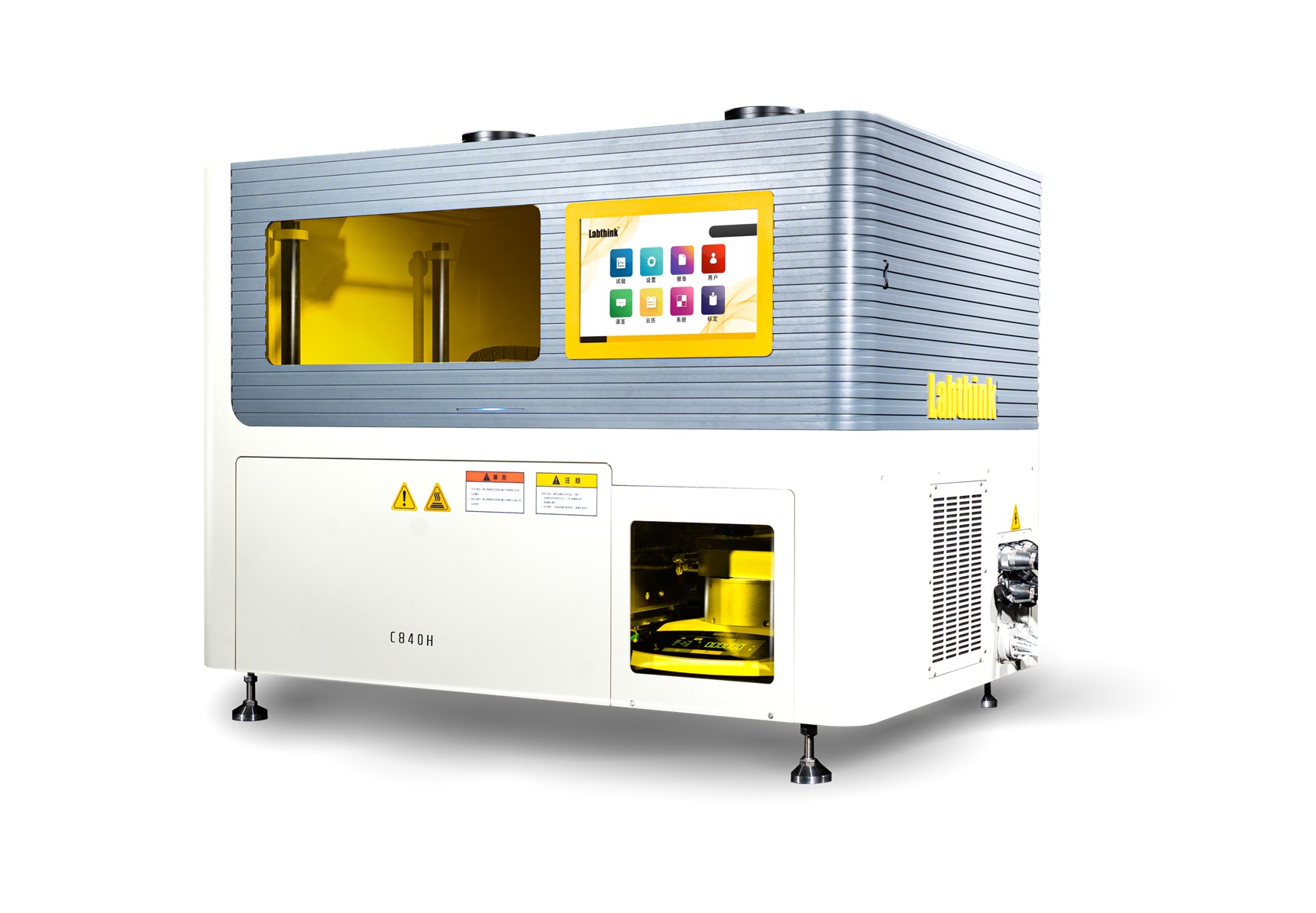
Labthink offers solutions that integrate the entire gravimetric testing workflow, combining evaporation and high-precision weighing into a single system. By automating repetitive steps, laboratories can reduce human error, maintain consistent test conditions, and optimize the use of technical staff. Continuous operation is possible, allowing tests to run unattended while still delivering reliable and repeatable results. The automation of evaporation residue testing for chemical reagents ensures that laboratories can maintain quality standards without compromising efficiency or accuracy.