
The evaporation residue test plays an essential role in industries such as food packaging, pharmaceuticals, and chemicals, where material safety and compliance must be verified. In many laboratories, this test has traditionally relied on manual processes. Technicians are required to weigh samples repeatedly while closely monitoring evaporation conditions over extended periods.
This conventional approach often introduces inefficiencies. Frequent manual weighing increases the risk of human error, while continuous supervision limits the ability of laboratory staff to manage multiple tasks. As testing demands grow, laboratories are seeking more reliable and efficient ways to handle evaporation residue analysis.
Traditional Workflow Limitations in Daily Operations
In a typical setup, the evaporation residue test requires operators to measure samples at regular intervals, often every thirty minutes. This repetitive process continues until a constant weight is achieved, indicating that evaporation is complete.
Such a workflow requires constant human presence. Technicians must remain available throughout the process, including during long testing cycles that may extend into non-working hours. The need for repeated handling also introduces variability, which can affect result consistency. Overtime, these factors contribute to reduced productivity and increased labor intensity within the laboratory.
Transforming Processes with Labthink Integrated Evaporation Residue Testing
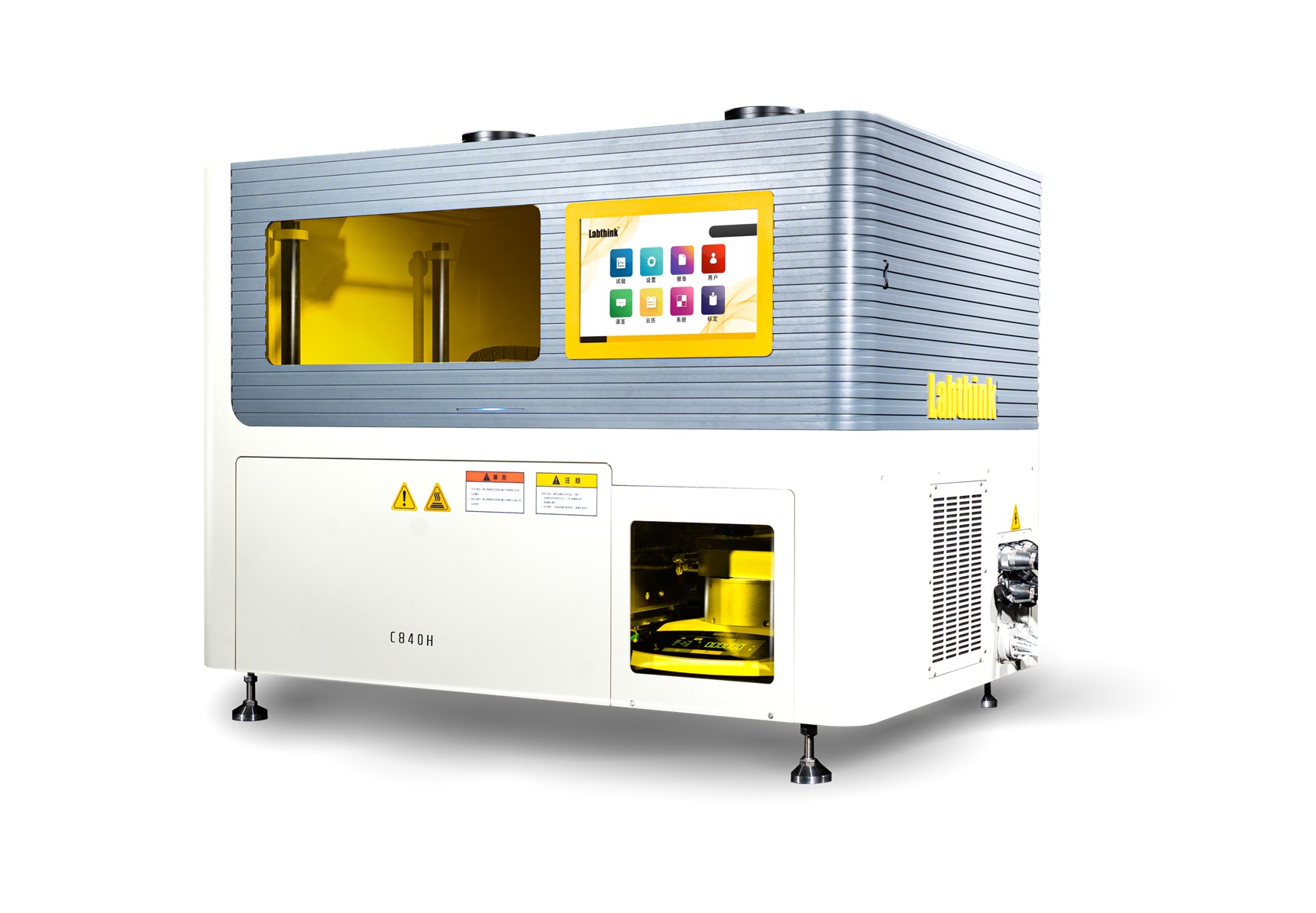
With the introduction of integrated evaporation residue testing solutions from Labthink, laboratories are redefining how this analysis is performed. The system combines evaporation, drying, and constant weight determination into a single automated workflow.
This integration allows the system to complete the entire testing process without manual intervention. It can automatically detect when constant weight is reached, eliminating the need for repeated manual measurements. In addition, the system supports unattended operation, enabling tests to continue overnight or during off-hours.
As a result, laboratory scheduling becomes more flexible. Technicians can initiate tests and focus on other responsibilities, rather than dedicating long hours to monitoring a single procedure.
Efficiency Gains and Reduced Labor Dependency
The shift to an integrated system brings measurable improvements in both efficiency and resource allocation. By minimizing manual involvement, laboratories can significantly reduce the time spent on routine tasks. This allows skilled personnel to concentrate on higher-value activities such as data analysis and method development.
At the same time, automated control enhances consistency across tests. Standardized procedures reduce variability, supporting more reliable and repeatable results. With fewer interruptions endless dependence on manual oversight, overall laboratory throughput can be improved.
From Manual Control to System-Driven Testing
The evolution from traditional methods to integrated evaporation residue testing reflects a broader trend toward automation in laboratory environments. By transitioning from human-controlled workflows to system-driven processes, laboratories can achieve a balance between efficiency and accuracy.
Labthink provides a practical approach to this transition by simplifying complex procedures and enabling continuous operation. As testing requirements continue to grow, adopting integrated solutions helps laboratories maintain productivity while ensuring dependable results.