
Food packaging plays acritical role in protecting products, yet it also introduces potential safety concerns. Substances such as additives, inks, and adhesives may migrate from packaging materials into food during storage or transportation. This creates a need for reliable migration testing for food contact materials to assess potential risks.
As consumer awareness grows and global regulations become stricter, manufacturers must demonstrate that their packaging materials meet safety requirements. Compliance is no longer optional but a fundamental part of market access. This has increased the importance of accurate and repeatable migration testing in food packaging across the entire supply chain.
Practical Applications of Migration Testing in Food Packaging
Migration testing is widely applied across different packaging materials and formats. In plastic packaging, it helps evaluate how polymers interact with various food types under different conditions such as temperature and time. For multilayer composite materials, testing ensures that barrier layers effectively limit substance transfer between layers and into food.
Coated and printed packaging also requires careful assessment. Printing inks and surface coatings may contain compounds that can migrate when exposed to moisture or heat. Through systematic migration testing in food packaging, manufacturers can better understand these interactions and make informed material choices.
Limitations of Traditional Testing Methods
Conventional testing approaches often rely on manual procedures that introduce variability. Differences in handling, environmental conditions, and operator techniques can affect results. This makes it difficult to achieve consistent data across multiple tests.
Another limitation is the lack of repeatability. When results cannot be reproduced reliably, it becomes challenging to support regulatory submissions. Traditional methods may also struggle to keep up with evolving compliance standards, especially when more precise detection and documentation are required.
The Value of Overall Migration Testing
Overall migration testing focuses on measuring the total amount of non-volatile substances that transfer from packaging into food or food simulants. This approach provides a comprehensive view of potential exposure rather than targeting individual compounds.
By evaluating total migration, manufacturers gain data that supports toxicological assessments and risk analysis. It also offers a clear basis for demonstrating compliance with regulatory frameworks. In this context, migration testing for food contact materials becomes an essential tool for ensuring product safety and maintaining brand credibility.
Labthink Solutions for Reliable Testing
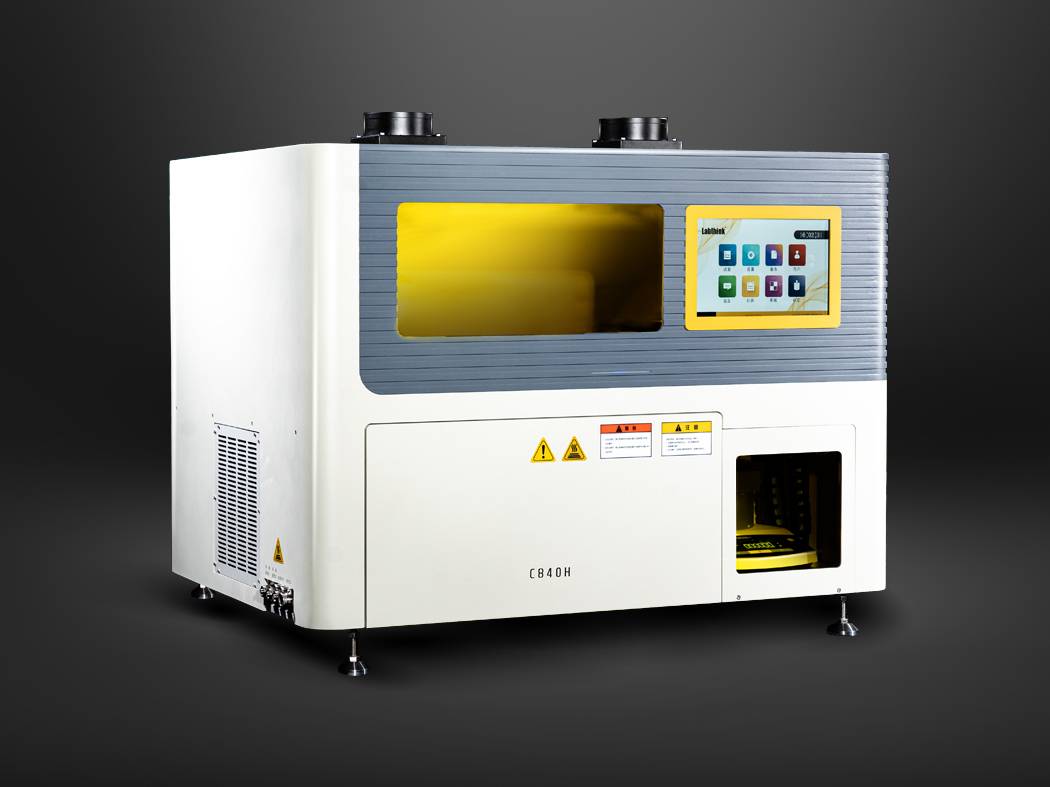
Labthink provides advanced solutions designed to improve the efficiency and consistency of migration testing processes. Its systems support automated evaporation residue testing, reducing the influence of manual handling and improving data stability.
With the ability to work with different food simulants such as water, acidic solutions, and oily substances, Labthink equipment enables comprehensive migration testing in food packaging. This flexibility allows laboratories to simulate real-world conditions more accurately.
In addition, the automation features help streamline workflows, enabling laboratories to handle higher testing volumes while maintaining reliable results. For manufacturers and testing institutions, this contributes to better quality control and smoother compliance processes.
Final Thoughts
As packaging materials become more complex, the need for precise and efficient testing continues to grow. By adopting structured approaches and advanced tools from Labthink, businesses can strengthen their safety evaluations and align with regulatory expectations while maintaining operational efficiency.