
Understanding Moisture Vapor Transmission Rate (MVTR) is fundamental to designing packaging that truly protects your product. We know that controlling moisture is criticalfor maintaining product integrity, preventing spoilage, and ensuring customer satisfaction. By mastering MVTR data, you can make informed decisions that directly impact shelf life and quality. This knowledge allows us to help you select the right barrier materials for your specific application.
Moisture VaporTransmission Rate
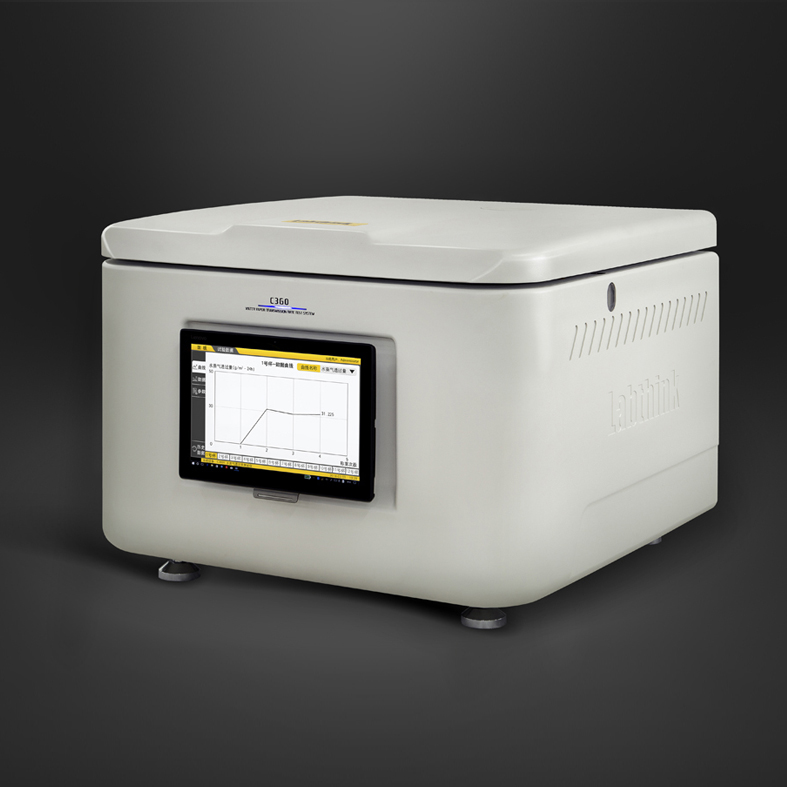
Moisture Vapor Transmission Rate (MVTR), often used interchangeably with Water VaporTransmission Rate (WVTR), is a precise measurement quantifying the amount ofwater vapor that passes through a specific area of a packaging material over a24-hour period under controlled conditions of temperature and humidity. It istypically expressed in grams per square meter per day (g/m2/day). This metricis vital for assessing a material's barrier performance against ambientmoisture, which can lead to product degradation like sogginess, clumping, ormold growth. Accurate determination of this rate requires specializedequipment, such as a WVTR testing machine?, which providesreliable data under standardized test methods. Understanding MVTR is the firststep in assessinghowa package will perform in real-world environments and is essential for anyquality control process focused on product preservation.
Packaging Material Barrier Measurement
Measuringthe barrier properties of packaging films and laminates is a scientific processcentral to assessingpackageperformance. The MVTR value serves as a key indicator, allowing for a directcomparison between different materials like polyethylene, polypropylene,metallized films, and aluminum foil. Lower MVTR values signify a higher barrierlevel, meaning less moisture vapor can permeate the material. Standardized test methods, such as gravimetric method stipulated in ASTM E96, and infrared sensor method conforming to ISO15106-2/ASTM F1249, ensure consistency andreproducibility of these measurements across the industry. We at Labthink provide theinstrumentation necessary to conduct these tests. This data is indispensable for materialselection, helping to match the packaging's barrier strength to the sensitivityof the product inside, from dry foods to pharmaceuticals.
Product Shelf Life Determination
MVTR datais a cornerstone for scientifically determining and extending a product's shelflife. By knowing the exact rate at which moisture can enter a package,manufacturers can model and estimate how long a product will remain within itsquality specifications. This is especially critical for hygroscopicproducts—those that readily absorb moisture—such as crackers, powderedsupplements, and certain pharmaceuticals. Engineers use MVTR values in shelf-lifeequations to calculate the time until a critical moisture threshold is reachedinside the package, which would render the product unacceptable. Thispredictive capability allows for proactive packaging design, ensuring that thebarrier is sufficient for the intended distribution and storage conditions.Ultimately, correlating MVTR with product stability tests provides a robustframework for establishing accurate "best before" dates andminimizing waste.
Conclusion
Water vapor permeability measures the ability of water vapor to pass through a film material and is also known as the Water Vapor Transmission Rate (WVTR). We at Labthink manufacture water vapor permeability testers that cover standards including the gravimetric method, the infrared sensor method, and theelectrolytic sensor method. Our product line includes specific models such asthe C360H, C390H, and C330H testers. These instruments are used for MVTR testing of packaging materials, providing the essential data needed for effective barrieranalysis.