
Understanding how gases interact with packaging materials is fundamental to ensuring product freshness, safety, and longevity. For industries ranging from food and pharmaceuticals to electronics and industrial components, the ability to predict and control gas transmission directly influences shelf life, compliance, and brand integrity. The science of gas permeability reveals how oxygen, carbon dioxide, nitrogen, or other gases migrate through films, sheets, containers, and finished packages—a process that, when properly measured, empowers manufacturers to select the right materials and maintain consistent quality across production cycles.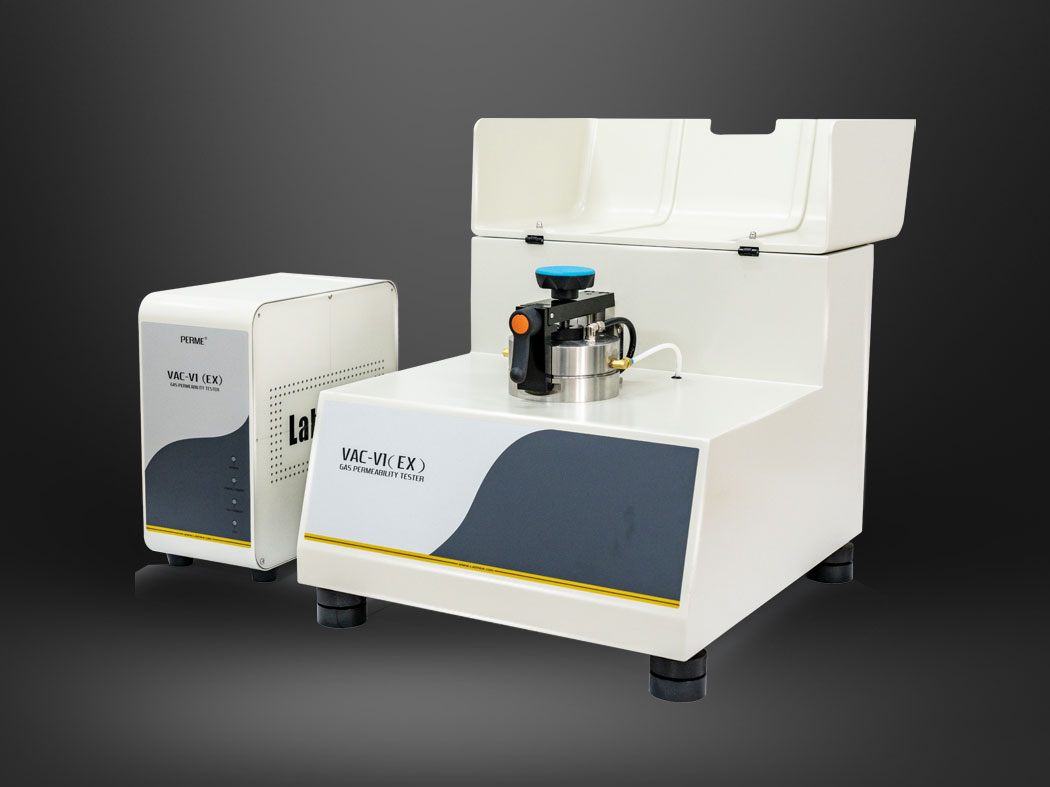
The Scientific Foundation of Gas Transmission
Gas permeability operates on a principle of concentration-driven diffusion. When a material separates two environments with different gas concentrations, molecules naturally migrate from the high-concentration side to the low-concentration side. The rate at which this occurs depends on the material’s molecular structure, thickness, temperature, and humidity conditions. To capture this behavior with precision, laboratories employ a gas permeation test, which quantifies exactly how much gas passes through a given material over a specified time. This test is essential for characterizing barrier materials, validating supplier specifications, and troubleshooting production variations that could compromise product protection.
Precision Through Advanced Instrumentation
Conducting a reliable gas permeation test requires instrumentation capable of maintaining strict environmental control while delivering repeatable, traceable results. The gas permeability analyzer serves as the core of this operation, housing the material sample within a sealed system that isolates the test gas on one side and a carrier gas on the other. Modern analyzers offer multiple testing methodologies—such as the differential pressure method for gas transmission rate or the coulometric sensor method for oxygen-specific measurements—allowing laboratories to match the approach to their specific application. Whether evaluating high-barrier films for flexible packaging or rigid containers for pharmaceuticals, the gas permeability analyzer must provide stability across varying temperatures and humidity levels to reflect real-world storage conditions accurately.
Translating Data into Quality Decisions
The output of a gas permeation test is the gas transmission rate, typically expressed in units such as cc/(m2·day) or cc/(package·day). For manufacturers, this data informs critical decisions: material selection for new product launches, qualification of alternative suppliers, and routine quality assurance checks that ensure consistency batch after batch. When testing aligns with recognized standards—such as ASTM methods—the resulting data also supports regulatory submissions and customer documentation requirements, reinforcing credibility across the supply chain.
Delivering Confidence Through Comprehensive Solutions
For decades, we at Labthink have focused on equipping material scientists, quality managers, and packaging engineers with the tools they need to master gas permeability evaluation. Our gas permeability analyzer series stands as one of the most advanced and complete product lines available, offering multiple methodologies—including differential pressure and coulometric sensor—to address diverse testing scenarios across barrier materials, temperatures, and humidity levels. We understand that a gas permeation test is only as valuable as its accuracy and repeatability, which is why our instruments are engineered to deliver consistent, standards-compliant results. Whether your focus is oxygen, carbon dioxide, or general gas transmission, we provide the precision and support necessary to strengthen your quality control framework from the laboratory to the production line.