
For manufacturers in pharmaceuticals, chemicals, and food production, knowing exactly how much moisture or volatile matter a material contains is not a trivial detail—it is a specification that can determine product stability, shelf life, and regulatory compliance. Loss on Drying (LOD) is the standard gravimetric method for quantifying this volatile content. By measuring the weight difference before and after controlled heating, LOD reveals critical information about raw materials, intermediates, and finished goods. Integrating LOD into routine quality control testing ensures batch-to-batch consistency and prevents moisture-related failures such as tablet degradation, powder clumping, or chemical reactivity.
The Traditional Challenges of Manual LOD Testing
For decades, laboratories relied on manual LOD procedures: technicians would dry samples in ovens, transfer them to desiccators for cooling, and repeatedly weigh them on analytical balances. This process is labor-intensive, slow, and highly susceptible to environmental humidity and operator technique. Even minor variations in cooling time or exposure to ambient air can skew results, undermining quality control testing reliability. Moreover, manual methods struggle to achieve "constant weight"—the point where consecutive weighings show no further loss—because human inconsistency introduces error. These limitations become costly when out-of-spec materials pass unnoticed or when retesting delays production schedules.
Automating LOD for Precision and Compliance
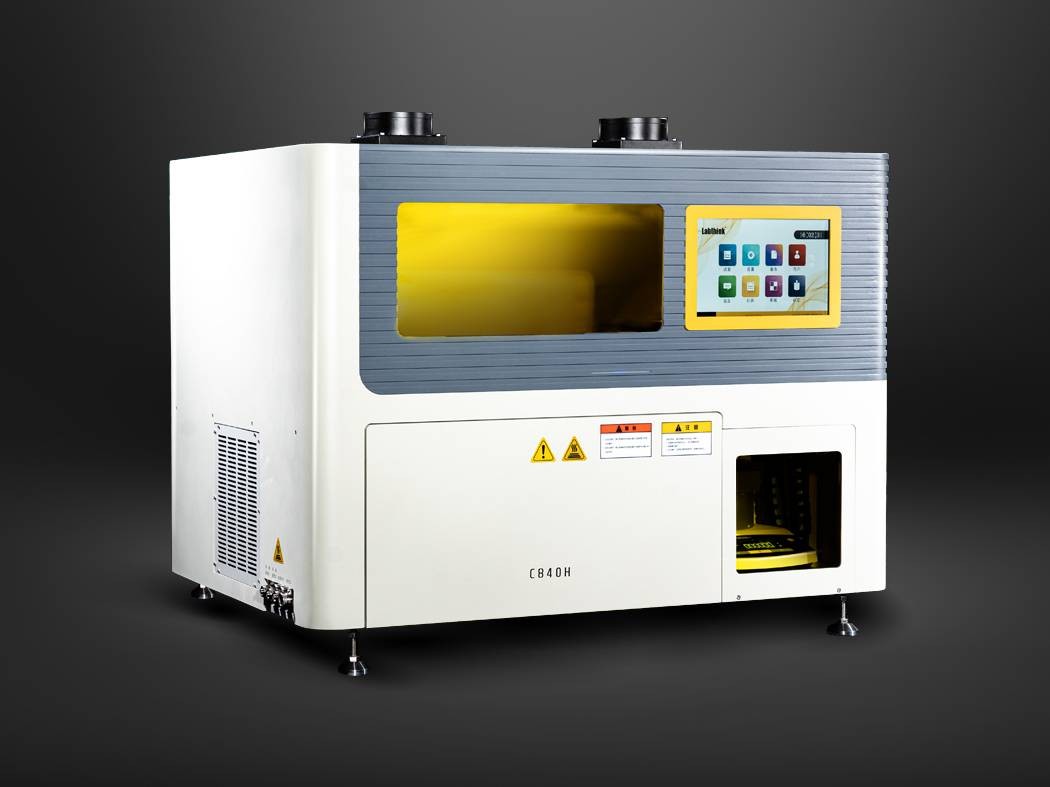
Modern quality control testing demands efficiency without compromising accuracy. The integrated Loss on Drying Testing System transforms the traditional manual process into a fully automated, standardized workflow. Using a dual-chamber independent design with a precision robotic gripper, the system executes a closed-loop sequence of drying, cooling, room-temperature weighing, and constant-weight verification—all without human intervention. This automation eliminates environmental interference, reduces operator error, and dramatically improves throughput. For regulated industries, the software complies with GMP data traceability requirements and 21 CFR Part 11, offering multi-level user permissions and electronic signatures. Such capabilities elevate quality control testing from a bottleneck to a strategic advantage.
Why Automated LOD Delivers Superior Quality Assurance
Beyond speed and accuracy, automated LOD systems address safety and intelligence. The fully sealed, zero-leakage test chamber protects personnel from volatile or hazardous samples, while an autonomous liquid-cooling circulation system maintains precise weighing temperatures. Intelligent algorithms adjust for thermal effects, and users can freely set the number of cups with forward/reverse rotation control. By embedding LOD into routine quality control testing, laboratories gain real-time visibility into moisture profiles, enabling faster corrective actions and reducing rework costs.
Moving Forward with Smart LOD Solutions
Mastering Loss on Drying is essential for any organization serious about material quality. We at Labthink have developed the integrated Loss on Drying Testing System series based on rigorous gravimetric principles, strictly adhering to pharmacopoeias of China, the United States, Europe, the United Kingdom, Japan, and relevant chemical and food standards. Our one-stop fully automatic solution covers sample drying, cooling, and precision weighing, leading quality control testing toward standardized, intelligent, and unmanned smart laboratories. Let our technology transform your LOD testing from a manual chore into a reliable, compliant, and efficient process.