
In packaging and material science, evaluating how materials resist moisture is essential. Terms like moisture vapor transmission rate (MVTR) and water vapor transmission rate test (WVTR test) frequently appear in discussions about barrier performance. At Labthink, we focus on helping manufacturers and laboratories measure these properties accurately to ensure products perform as intended.
What Moisture Vapor Transmission Rate Means
Moisture vapor transmission rate refers to the amount of water vapor passing through a material over a given period under controlled temperature and humidity. This measurement is also called water vapor transmission rate, or WVTR. It indicates how effective a material is at preventing moisture penetration, which is critical in industries like food packaging, pharmaceuticals, and electronics. Understanding MVTR allows manufacturers to select materials that protect product quality and extend shelflife.
Standard Units for WVTR Measurements
A water vapor transmission rate test provides a quantitative way to understand a material's moisture resistance. To make these measurements meaningful, they must be expressed in standard units. The most commonly used unit is grams per square meter per day(g/m2/day). This unit indicates the mass of water vapor that passes through one square meter of material in 24 hours.
In some regions, particularly in the United States, WVTR may also be reported in grams per 100 square inches per day (g/100 in2/day). Although the scale differs, both units reflect the same concept: the amount of water vapor transmitted per area overtime. Properly understanding these units helps compare different materials ‘barrier properties and make informed decisions. Lower WVTR values generally indicate stronger moisture resistance, while higher values suggest greater permeability.
How Labthink Measures WVTR and MVTR
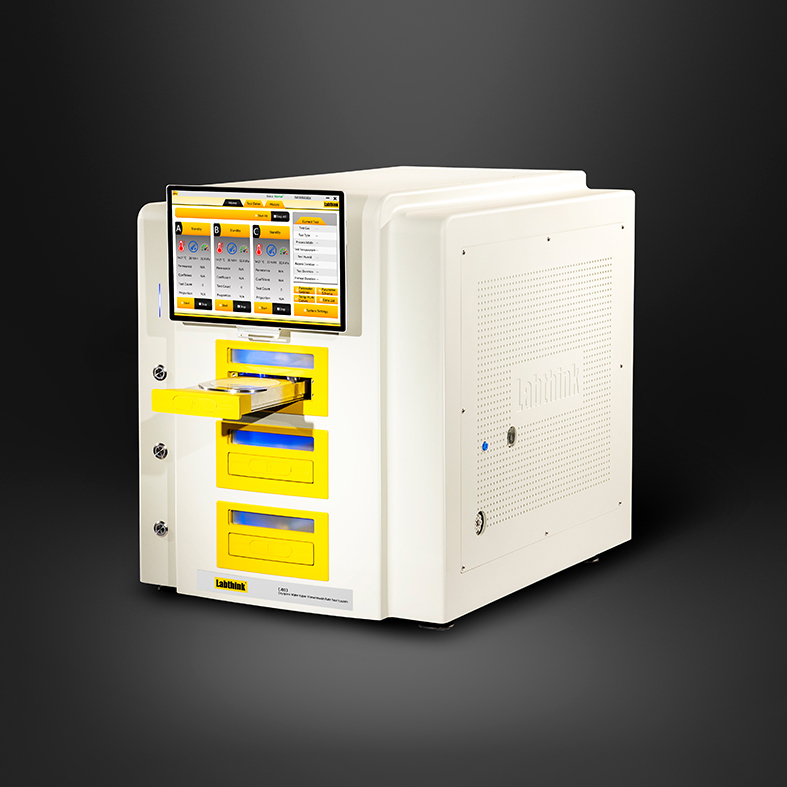
At Labthink, we use advanced equipment like the C303H Water Vapor Transmission RateTest System to perform precise WVTR measurements. This system meets international standards such as ASTM F1249 and ISO 15106?2, ensuring reliable and repeatable results. TheC303H uses sensitive sensors to monitor water vapor transmission through a material sample in a controlled environment.
During testing, the material is positioned between chambers with different humidity levels. The movement of water vapor is tracked, and the results are calculated in standard units. This process provides accurate data for comparing materials and verifying performance requirements for product development and quality control.
Conclusion
In conclusion, the moisture vapor transmission rate indicates how much water vapor a material allows to pass through. Standard units such as grams per square meter per day or grams per 100 square inches per day ensure consistent reporting. Accurate measurements from a water vapor transmission rate test are essential for selecting materials with appropriate moisture barrier properties. With Labthink's testing systems like the C303H,manufacturers can obtain reliable WVTR data that support informed decisions and product performance optimization.