
When it comes to ensuring the quality and reliability of packaging materials, we recognize the crucial role of oxygen transmission rate (OTR) testing. In particular, the ASTM D3985 OTR tester stands as a trusted standard in our industry. Through comprehensive procedures, we can discern how well a material resists oxygen permeation, which is essential for maintaining product integrity.
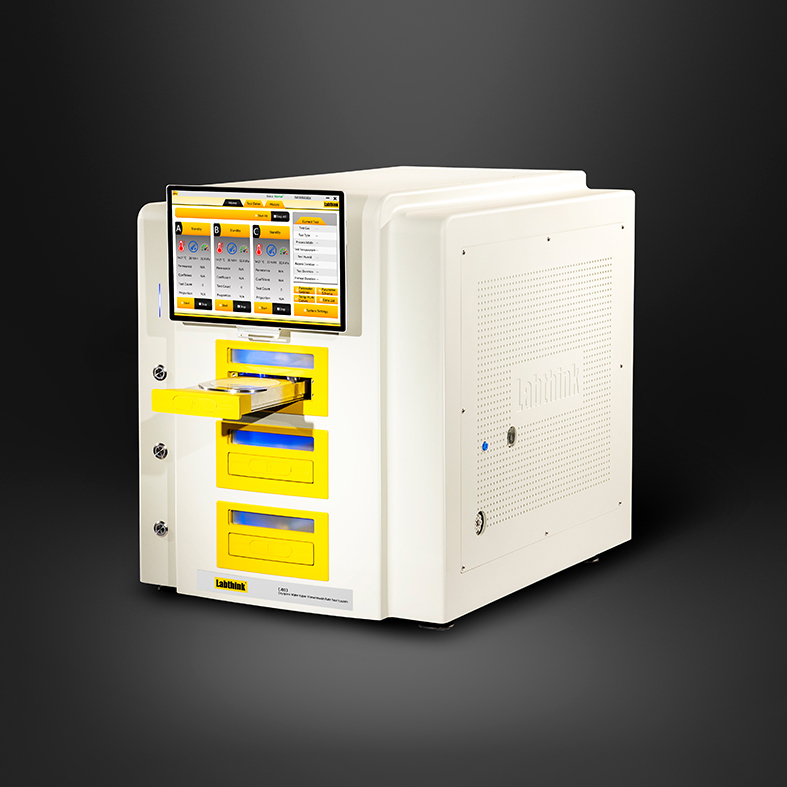
The Importance of OTR Testing
Oxygen is a fundamental element that affects the quality and longevity of packaged products. In various industries, including food, pharmaceuticals, and cosmetics, the ability to limit oxygen exposure is paramount. OTR testing equipment, such as those designed by Labthink, enables precise measurement of the oxygen transmission rate through various materials. This testing not only helps in compliance with industry standards but also ensures that manufacturers can provide high-quality products to consumers.
Overview of ASTM D3985
The ASTM D3985 standard specifies a method for measuring the oxygen gas transmission rate through plastic films and sheeting. The utilization of this test is critical for materials that will be used in packaging applications. The ASTM D3985 OTR tester employs a coulometric sensor method, providing accurate and consistent readings necessary for quality assurance.
Step-by-Step Test Procedure
The ASTM D3985 test follows a detailed procedure designed to ensure accuracy and reliability. First, the sample material, typically a plastic film or sheet, is prepared and cut into a specified size suitable for the testing apparatus. The testing environment is then controlled, with specific temperature and humidity levels established according to relevant guidelines.
Once the sample is positioned, the OTR testing equipment is activated. The ASTM D3985 tester generates differing concentrations of oxygen on either side of the sample. As oxygen gradually permeates through the material, the tester measures the rate of transmission. The coulometric sensor captures these changes, providing essential data for determining the oxygen transmission rate.
Throughout the test, observations are made to record any fluctuations or anomalies in the readings. This meticulous approach ensures consistency and validates the results. After completion, the data is analyzed and OTR values are calculated, expressed in cubic centimeters per square meter per day (cc/m2/day).
Real-World Applications
The results obtained from the ASTM D3985 OTR tester are invaluable for various applications. For instance, in the food packaging industry, lower oxygen transmission rates are linked to extended shelf life and reduced spoilage, contributing to overall consumer satisfaction. Similarly, for pharmaceutical products, packaging that curtails oxygen exposure helps maintain efficacy and safety.
Conclusion
At Labthink, we are dedicated to advancing quality and precision in material testing. Our ASTM D3985 OTR testing equipment provides reliable and accurate measurements of oxygen transmission, enabling a deep understanding of material performance. By adhering to standardized test procedures, users can obtain critical insights that guide packaging decisions, enhance product quality, and ensure consumer safety. Labthink remains committed to supporting our partners with expert solutions in OTR testing and beyond. For more information on our OTR testing equipment and its applications, please contact us for professional guidance.