
When evaluating a material’s ability to act as a barrier against gases, vapors, or liquids, precision is non-negotiable. A permeation test is the definitive method used to measure how much of a specific substance,such as oxygen, water vapor, or carbon dioxide,passes through the film, packaging, or finished product over a defined period. For manufacturers in the food, pharmaceutical, and industrial sectors, the integrity of their packaging directly impacts product shelf life, safety, and compliance. The procedure itself is a carefully controlled process designed to generate data that informs material selection and quality assurance.
Preparing the Specimen and Equipment
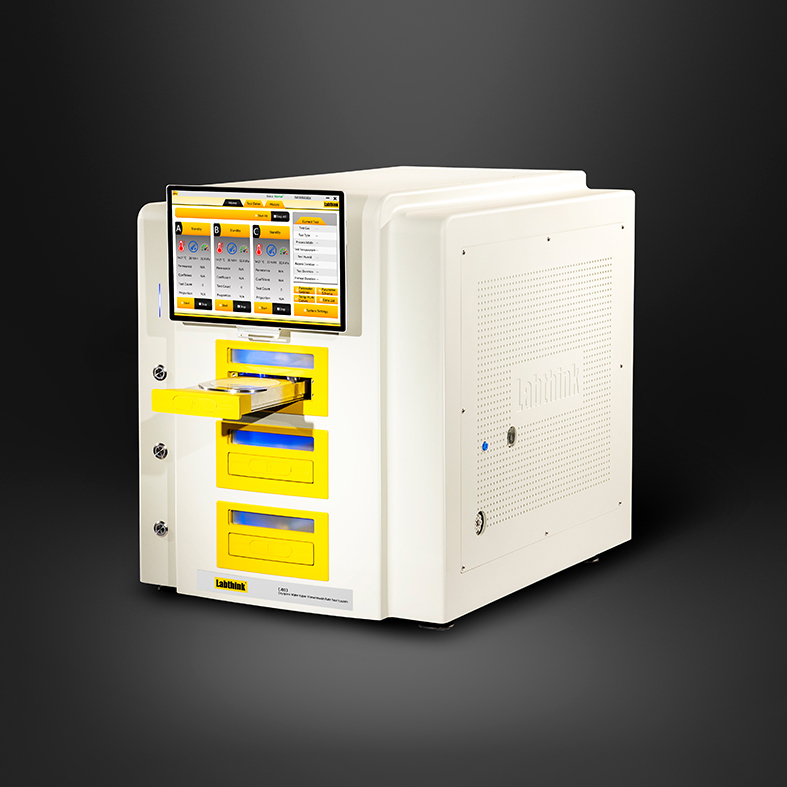
The first phase of any accurate permeation test is meticulous preparation. A sample of the material—whether flexible film, rigid container, or finished package—is conditioned in a controlled environment to eliminate variables like moisture or temperature fluctuations that could skew results. Engineers then mount the specimen within a specialized permeation analyzer, ensuring that it is properly sealed to create two distinct chambers. This equipment forms the core of the testing service, as the precision of the instrument directly dictates the reliability of the outcome. The integrity of the seal is critical; any leak will render the subsequent measurements invalid.
Executing the Test Cycle
Once the sample is secured, the permeation analyzer establishes a concentration gradient. A test gas is introduced into one side of the chamber (the high-pressure side), while a carrier gas flows on the opposite side (the low-pressure side). The instrument then monitors how much of the test gas permeates through the material over time. Depending on the barrier properties of the sample and the sensitivity required, this process can take anywhere from a few hours to several days. During this cycle, the testing service relies on advanced sensors to capture real-time data, tracking the moment the transmission rate stabilizes into a steady state. This equilibrium represents the material’s true permeation coefficient.
Analyzing the Results
After the test cycle concludes, the final step involves data interpretation. The permeation analyzer calculates the transmission rate, typically expressed in units such as cc/(m2·day) for gases or g/(m2·day) for water vapor. For businesses, these numbers are more than metrics; they are the basis for supply chain decisions, shelf-life predictions, and regulatory submissions. A professional testing service will verify that the results align with the specific standards applicable to the industry, whether ASTM, ISO, or other international protocols.
Partnering for Precision and Insight
Navigating the complexities of permeation testing demands not only advanced instrumentation but also deep technical expertise. As a solutions provider dedicated to quality control and innovation across the material testing and food packaging sectors, we at Labthink empower our clients by offering a comprehensive suite of resources. From precision testing instruments for flexible packaging and diverse industries to specialized package testing services tailored for the food industry, and consultative solutions designed to optimize the business models of third-party laboratories, our focus remains on delivering data you can trust. By integrating rigorous procedures with industry-leading permeation analyzers, we help ensure that your barrier materials perform exactly as required—protecting your products, your brand, and your bottom line.