
Understanding what package testing consists of is vital for ensuring your products arrive safely and maintain their quality. We know that effective testing helps you reduce waste, prevent costly returns, and build trust with your customers. Our focus is on providing the methodologies and insights that form the backbone of a reliable packaging process. This article outlines the core components that constitute a thorough package testing regimen.
Package Integrity Verification
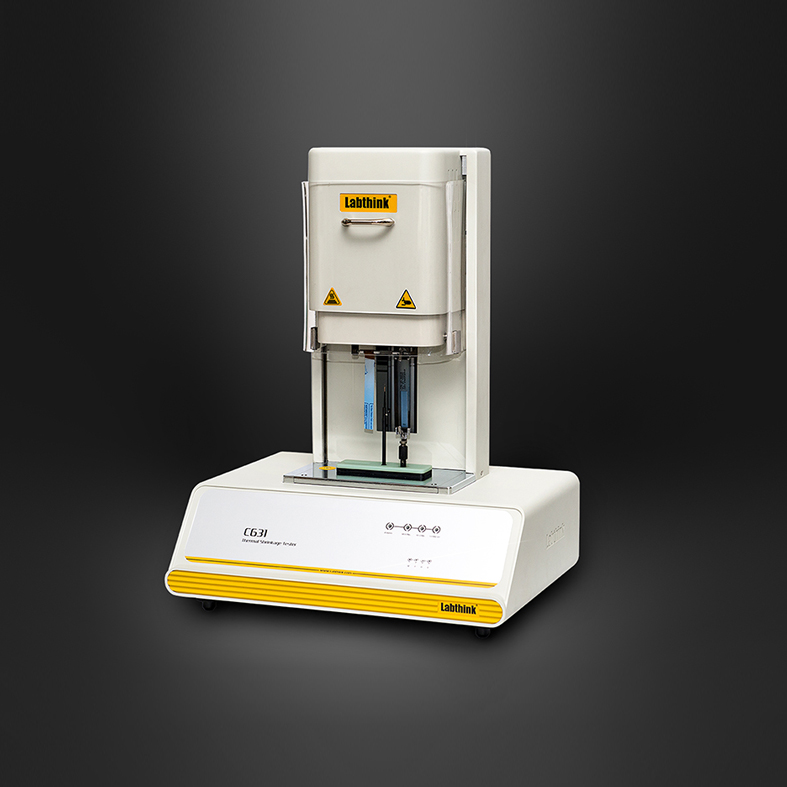
Package integrity verification is a fundamental step to ensure a package can withstand the physical demands of the supply chain. This process involves simulating real-world hazards like vibration, impact, and compression that occur during shipping and handling. We perform tests such as seal strength tests, tear and puncture resistance tests, and tensile and compression tests to identify potential failure points in the packaging structure. The goal is to prevent damage to the contents by validating the strength and durability of the packaging materials and design. This proactive approach helps in selecting the most robust packaging solutions, ultimately safeguarding the product until it reaches the end-user. To conduct these assessments, specialized Testing Instrumentsare employed to generate accurate and repeatable data.
Packaging barrier performance analysis
Packaging barrier performance analysis is a critical endeavor to ensure that a product’s integrity is maintained against environmental stressors throughout its entire life cycle. This process focuses on the material's ability to resist the permeation of gases and vapors, specifically addressing the constant threat of oxygen and moisture ingress. For sensitive goods like pharmaceuticals and food, even minute fluctuations in the internal atmosphere can trigger oxidation, leading to a loss of efficacy, flavor degradation, or microbial spoilage. We utilize rigorous evaluation methods, such as Oxygen Transmission Rate (OTR) and Water Vapor Transmission Rate (WVTR) testing, to analyze how barriers perform under varied conditions. We at Labthink provide instruments that support these quality control measures within a broader testing framework.
Label and print integrity
Label print integrity is vital for maintaining brand trust and logistical traceability throughout a product’s lifecycle. To prevent labels from " flagging " or detaching entirely, we perform rigorous Peel Strength Tests to quantify the adhesive bond between the label and the packaging surface. This ensures that critical markers remain attached despite environmental fluctuations or physical handling. Simultaneously, we address the risk of information loss due to mechanical wear by utilizing Ink Rub Tester,which simulates the abrasive forces of transit and storage, identifying potential smudging or scuffing that could render barcodes and expiration dates unreadable. By validating both the stick-peel strength and ink durability, we proactively safeguard the package's functional legibility, preventing costly logistical errors and ensuring that the end-user receives a product with clear, intact safety information
Conclusion
We understand that comprehensive packaging testing is built on reliable data from precise instruments. Labthink is a company that develops packaging testing instruments. Our products include the C403H and C406H, which measure oxygen and water vapor transmission rates of flexible packaging materials. These instruments can test multiple samples simultaneously. We provide this testing equipment for applications such as evaluating materials for hazardous gas transportation, lithium-ion battery separators, and pharmaceutical package leak detection.