
When we talk about testing service, especially in material science and packaging, permeability testing plays an important part in understanding how materials perform in real-world conditions. At Labthink, we work closely with customers to explain what permeability testing means, how it's done, and why tools like a permeability tester are essential for quality control and research.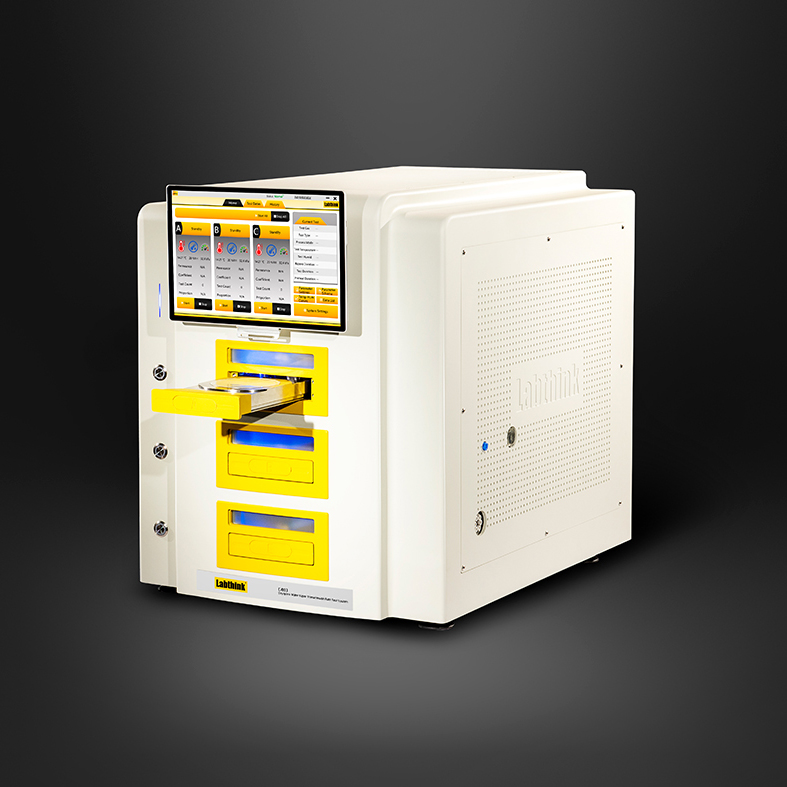
Understanding Permeability
Permeability refers to the ability of a material to let gases or vapors pass through it under specific conditions. This property is crucial in many applications where barrier performance matters, such as food packaging, pharmaceuticals, medical devices, and even battery components. Permeability testing tells us how quickly and how much of a particular gas or vapor moves through a material over a set period. This information helps manufacturers ensure their materials meet specific performance requirements and regulatory standards.
There are different types of permeability depending on what is being measured. Gas permeability, for example, focuses on how gases such as oxygen or carbon dioxide move through films or sheets. Water vapor permeability looks at how moisture travels through materials, often relevant for packaging that must protect products from humidity. Air permeability is more common in textiles and paper, showing how air flows through a given sample.
How Permeability Testing Works
Permeability testing generally involves placing a sample of the material within a testing instrument and subjecting it to controlled conditions. The permeability tester measures the transmission rate of a selected gas or vapor across the material. Depending on the test method, this can be done by creating a pressure difference, controlling temperature and humidity, or using specialized sensors that detect the amount of gas passing through a specimen.
For instance, differential pressure methods introduce a controlled pressure difference across the material and monitor how much gas crosses from one side to the other. Some testers use specific sensor technologies to measure very low levels of gas transmission, which is especially helpful for high-barrier materials.
Why a Permeability Tester Is Important
A permeability tester provides precise insights into material performance that can't be obtained by visual inspection alone. By measuring how materials behave under various environmental conditions, scientists and engineers can:
Evaluate barrier properties for packaging films and sheets
Check if coatings and laminates meet product specifications
Ensure consistent quality during production runs
Support research and development for new materials
Different industries rely on such data to optimize material selection and design. For example, food packaging often requires excellent oxygen barrier properties to maintain freshness, while medical packaging might need to control moisture transmission. Accurate permeability data helps companies design products that perform as intended throughout their lifecycle.
Labthink's Role in Permeability Testing
At Labthink, we offer a range of instruments capable of performing permeability testing for various gases and vapors. These permeability testers are built to align with international standards and can handle different test conditions for materials of varying barrier levels. Whether measuring oxygen transmission or air permeability, our testing services aim to provide reliable data that supports quality control and innovation.
Conclusion
Permeability testing is a fundamental part of material evaluation, helping companies understand how substances move through barriers. A permeability tester is indispensable for anyone needing accurate transmission rate data under controlled conditions. Through thoughtful application of testing service principles, we at Labthink support efforts across industries to develop better products, ensure consistent quality, and meet stringent material performance requirements.