
Barrier packaging is engineered to protect products from environmental factors that can compromise safety, shelf life, and performance. For manufacturers and brand owners, understanding how packaging resists gas and moisture transmission is essential to maintain product integrity, meet regulatory requirements, and reduce waste. Precision test instruments and packaging barrier property test systems are central to assessing these protective attributes, helping businesses make informed material and design choices.
Why Barrier Properties Matter for Products
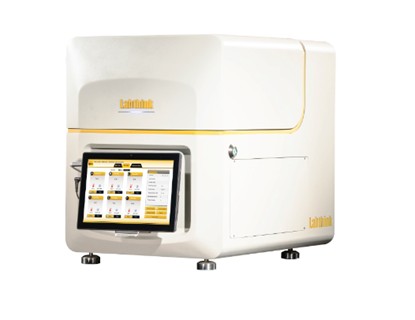
Barrier properties determine how well a package prevents gases, vapors, and odors from passing between the product and its surroundings. Permeability to oxygen, water vapor, and carbon dioxide can directly impact food freshness, pharmaceutical potency, and the functionality of sensitive components. Using a packaging barrier property tester and other precision test instruments, quality teams can quantify transmission rates and identify whether a film or laminate meets specification. Accurate data enables manufacturers to select materials that extend shelf life, avoid off-flavors, and ensure safety, which in turn supports supply-chain reliability and brand reputation.
Key Tests and the Role of Precision Test Instruments
Permeability testing typically measures oxygen transmission rate (OTR), water vapor transmission rate (WVTR), and other gas permeabilities. High-quality precision test instruments are calibrated to international standards and provide reproducible results critical for product qualification and regulatory documentation. A packaging barrier property tester can detect micro-defects in films, coating inconsistencies, and the effect of sealing processes on overall barrier performance. For industries such as pharmaceuticals and high-value food products, this level of measurement precision is not optional—it is a business requirement that underpins consumer safety and legal compliance.
Applying Test Data to Design and Process Control
Raw permeability numbers become actionable when tied to product requirements and real-world conditions. Design engineers use results from packaging barrier property tester equipment to choose multilayer structures, barrier coatings, or metallized films that meet target shelf lives. Quality assurance teams rely on precision test instruments to validate incoming materials and to monitor production runs for drift or damage. In the food industry, for example, integrating permeability data into modified-atmosphere packaging (MAP)strategies helps optimize gas mixes and packaging formats for each SKU, reducing spoilage and distribution losses.
How Reliable Barrier Testing Creates Business Value
Reliable barrier testing minimizes risk, supports product claims, and helps optimize material costs without sacrificing protection. When packaging designers, lab managers, and procurement specialists work from the same set of verified permeability measurements, decisions are faster and more defensible. A robust program that includes a packaging barrier property tester and other precision test instruments transforms barrier performance from an unknown into controllable, measurable attribute.
Our Commitment to Quality and Innovation
At Labthink, we provide Permeability Test Instruments and a full suite of precision test instruments for flexible packaging and other industries. We combine advanced permeation testers, specialized package testing services for the food sector, and consultative solutions to help third-party laboratories and manufacturers achieve reliable barrier performance and improved business outcomes.