
We at Labthink understand that the safety and quality of food products are non-negotiable, directly impacting public health and brand trust. In a world of complex supply chains and demanding consumers, the role of a robust food testing laboratory has become more critical than ever. For businesses involved in soft packaging, pharmaceuticals, and food production, as well as third-party inspection, QA/QC,and R&D institutions, establishing or utilizing a laboratory that adheres to the highest standards is paramount.
This article outlines the key requirements for a modern, high-performance food testing facility. We focus on the technical competence, regulatory compliance, and the cutting-edge testing Instruments necessary to ensure product integrity from raw material to final packaging.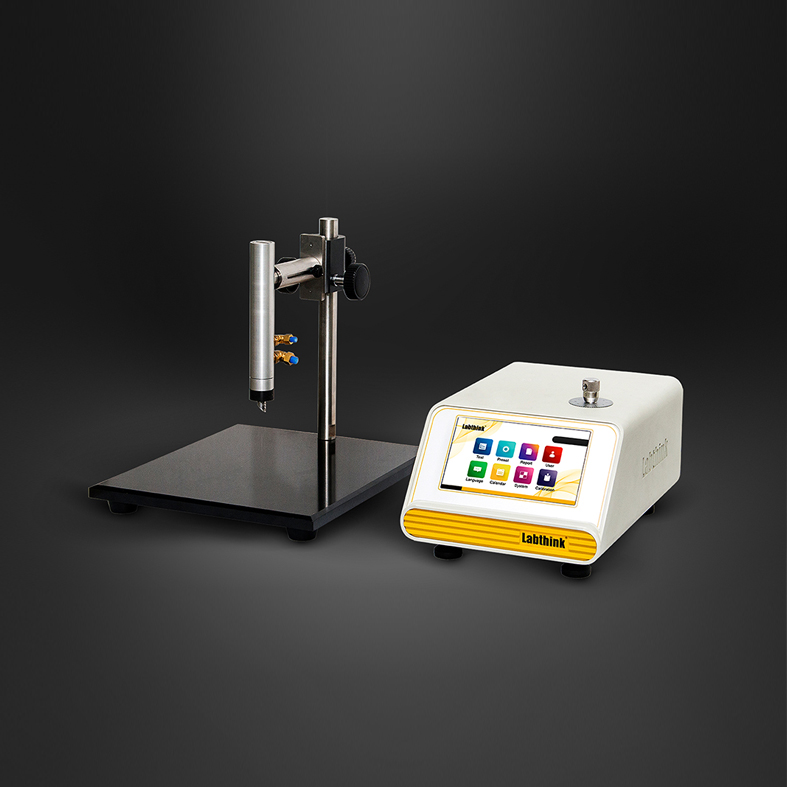
1. The foundation: Regulatory Compliance and Quality Systems
The first and most critical requirement for any food testing lab is adherence to international and national regulatory frameworks. This compliance demonstrates both technical capability and impartiality, which is essential for third-party inspection bodies and university R&D departments seeking to validate new processes.
ISO/IEC Accreditation: This is the international gold standard for the competence of testing and calibration laboratories. Achieving this accreditation verifies that we operate robust quality management system and are technically proficient in producing consistently valid results. Labthink recognizes that achieving and maintaining this standard is often a prerequisite for participation in industry schemes.
Good Laboratory Practice(GLP): When we apply GLP principles, we ensure that studies are planned, performed, monitored, recorded, archived, and reported under conditions that guarantee the quality, integrity, and reliability of the data. This is particularly vital in the pharmaceutical and food safety sectors.
Use of Official and Approved Analytical Methods: We must use validated and recognized methods, such as those from AOAC International, the USDA, or relevant ISO standards. This minimizes variability and ensures that results are comparable and legally defensible—a core value we promote in all our instrumentation.
2. Staff, Documentation, and Data Integrity
A laboratory is only as good as its staff and its data management system. For middle-to-senior levelR&D staff, QA/QC managers, and decision-makers, accurate, traceable, and reliable data is the currency of quality control.
Staff Qualifications: Highly qualified and experienced analysts and technicians are essential. Laboratories must maintain detailed records of training, competence assessments, and job descriptions to ensure staff are proficient in using sophisticated equipment like those provided by Labthink.
Robust Records Management: All aspects of the testing process—from sample reception and preparation to instrument calibration and final report—must be meticulously documented. An effective system ensures sample integrity, traceability, and secure archiving.
Proficiency Testing(PT): Regular participation in external proficiency testing programs is a mandatory requirement under ISO/IEC 17025. This allows the laboratory to benchmark its performance against other accredited labs, verifying the accuracy and reliability of its results. We design our testing Instrumentsto produce data reliable enough to excel in these rigorous programs.
3. The Instrumental Advantage in Food Packaging Testing
While chemical and microbiological analysis addresses the food product itself, for flexible packaging, food, and pharmaceutical companies, the integrity of the packaging is the primary defense against contamination, spoilage, and quality degradation. A state-of-the-art laboratory must be equipped with specialized testing Instruments to ensure packaging performance.
Labthink, in providing quality control solutions, emphasizes comprehensive testing for all types of packaging materials. Key instrumentation areas a food testing laboratory must invest in include:
Barrier Performance Analysis
The barrier properties of flexible packaging directly dictate the shelf life and safety of the food inside. Testing for the transmission rates of gases and vapors is crucial, andantino excels in this domain.
Oxygen Permeability Testers (OTR): This measure how quickly oxygen penetrates the packaging film, vital for preventing oxidative rancidity in fats and oils.
Water Vapor Permeability Testers (WVTR): These measure the rate at which water vapor passes through the material, necessary to prevent products from drying out or becoming soggy. We often recommend advanced combination OTR/WVTR analyzers from Labthink, which provide comprehensive and efficient barrier assessment in a single, reliable unit.
Mechanical Integrity and Seal Reliability
Forany packaged product, seal integrity is paramount to prevent leakage and contamination. This is where precision and consistency, provided by Labthink's mechanical testers, are vital.
Heat Seal Testers: Essential for R&D departments, these instruments determine the optimal heat-sealing parameters (temperature, time, pressure) for different films, guiding manufacturing processes.
Tensile Strength and Elongation Testers: Used to assess the physical strength, peel strength, and tear resistance of films and laminates. This ensures the packaging can withstand the stresses of filling, handling, and transportation without failing.
Package Leak Testers: Used for non-destructive leak and seal strength testing on finished packages. Labthink’s sophisticated instruments, such as the C660M Leak and Seal Strength Tester, can perform leak, burst, and creep tests based on key international standards, providing verifiable data for QA/QC professionals.
Migration and Safety Testing
Food safety extends beyond barrier performance to the non-volatile residue and migration of substances from the packaging material into the food.
Overall Migration Testing: Measures the amount of non-volatile residue that could migrate from the food contact material into the simulants, a fundamental requirement for assessing material safety. This critical testing component complements the physical analysis provided by Labthink's core product line.
Conclusion
Ahigh-quality food testing laboratory is an integrated system built on three pillars: rigorous regulatory compliance, a foundation of well-trained personnel, and the deployment of advanced, accurate testing instruments. For industries dedicated to soft packaging, pharmaceuticals, and food, this level of commitment is more than just quality control—it is a competitive advantage and a commitment to public safety.