
For quality control directors, R&D professionals, and laboratory managers operating in the pharmaceutical, medical device, and specialized food industries, the term “packaging integrity “represents the ultimate non-negotiable standard. It is the assurance that the barrier system—the package itself—remains whole and effective from the manufacturing floor through distribution and storage, right up to the point of use. Understanding and rigorously executing comprehensive packaging integrity testing is essential for regulatory compliance and product safety.
At Labthink,we recognize that this discipline goes far beyond simple visual checks. It involves a systematic, documented approach to evaluating the seals, physical strength, and resistance of the finished flexible package to stresses. The established global guideline for this crucial testing, particularly for sterile medical products, is the framework of ISO 11607 package integrity testing. As a dedicated testing Instruments supplier, we provide the specialized equipment necessary to meet these exacting requirements.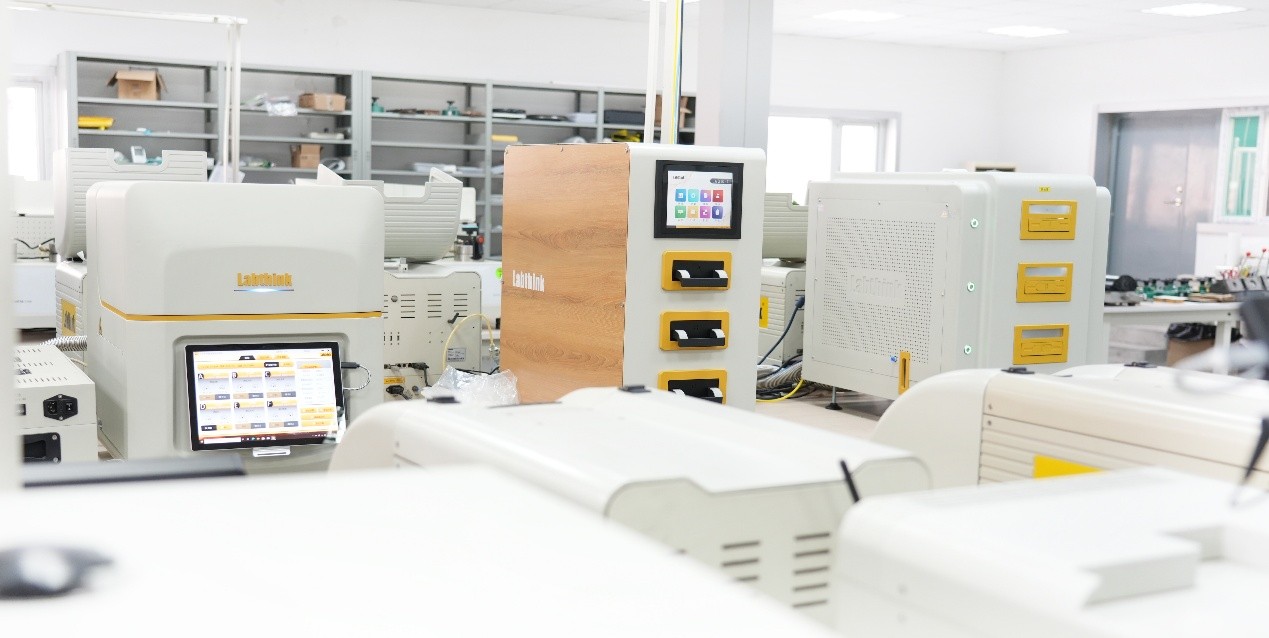
1.The Critical Mandate of ISO 11607 Package Integrity Testing
The framework established by ISO 11607provides the authoritative basis for validating the packaging of terminally sterilized medical devices. However, its core principles—proof of seal effectiveness and maintenance of the barrier—are universally applied across all high-value or safety-critical flexible packaging systems, including food and high-grade pharmaceuticals.
Failure to maintain packaging integrity can lead to:
Contamination: Breach of a sterile barrier, posing direct risks to patient health.
Spoilage/Degradation: Exposure to oxygen, moisture, or light, rendering food or pharmaceuticals ineffective or unsafe.
Product Loss: Physical failure during transit, leading to costly recalls and waste.
For our clients, demonstrating integrity isa prerequisite for market entry and regulatory approval. It requires utilizing instruments capable of delivering data that is both quantitative and legally defensible.
2.The Core Items of Integrity Testing: Strength and Leak Prevention
Comprehensive integrity testing for flexible packaging materials and finished packages is typically divided into two key disciplines: strength testing and leak testing.
3. Verifying Seal Strength and Resistance
The seal is the most vulnerable component of a flexible package. Seal strength testing ensures the package has been manufactured correctly, providing a strong seal that resists peeling or rupture during handling, yet is still capable of being opened by the end-user.
Peel Testing: We provide equipment designed to measure the force required to separate the flexible layers of a seal, often measured in Newtons per meter. This test identifies weak seals, inconsistent sealing temperatures, or contamination in the sealing area.
Tensile and Puncture Resistance: Beyond the seal itself, the overall strength of the packaging material must be assessed. Our instruments are engineered to apply controlled tension and force to measure the material’s resistance to tearing or puncture, ensuring package durability throughout the logistics chain.
The systems we supply for strength evaluation are built for high quality and high repeatability, ensuring that every sample is tested under identical, verifiable conditions, providing a reliable measure of seal performance consistency.
4. The Multi-Function Approach to Leak and Burst Testing
A seal may appear strong, but still harbor micro-leaks or pinholes that compromise the barrier integrity. Leak and burst testing methods are essential for detecting these subtle failures.
Burst Testing: This test pressurizes the flexible package until it ruptures. It provides an overall assessment of the package’s maximum pressure tolerance. Our instruments are designed with high precision pressure sensing technology to record the exact pressure at which failure occurs, helping identify the weakest point of the package structure—whether it be the material or the seal itself.
Leak Detection: We focus on sensitive, on-destructive leak detection methods. Our vacuum decay and pressure differential leak testing systems are capable of detecting minuscule defects that are invisible to the naked eye. These instruments measure the rate of pressure change within the package after being exposed to a vacuum or internal pressure, providing highly sensitive and quantitative data on package porosity.
We recognize the demand for efficiency; therefore, our leak and burst testing Instruments supplier solutions are often multi-function, allowing laboratory personnel to quickly switch between different standards-compliant test methods (e.g., burst, creep, and pressure decay) on a single platform, maximizing laboratory throughput.
5.Labthink’s Commitment as a Testing Instruments Supplier
Our role as a specialized testingInstruments supplier is to partner with experienced professionals to ensure their quality assurance processes are robust and reliable. We focus exclusively on flexible packaging and film testing, allowing us to build instruments optimized for the unique challenges of these materials.
Data Integrity and Precision: The data generated in integrity testing must withstand intense scrutiny. Our instruments are engineered for high precision measurement of physical parameters (force, pressure, time) and feature secure data logging and calibration management, ensuring a clear audit trail and compliance with regulatory bodies.
Long Lifespan and Reliability: We understand that instrument downtime impacts production. Our equipment is built with durable components and sophisticated internal systems, giving them a long lifespan and minimizing maintenance requirements. This focus on reliability ensures that our clients’ testing programs maintain continuity and consistency year after year.
Customization for R&D: Recognizing that packaging innovation often requires specialized testing, we offer customizable instrument configurations for non-standard package sizes or unique testing environments, ensuring that emerging flexible packaging formats can also meet the rigorous demands of ISO11607 package integrity testing.
For the professional dedicated to product security and quality, effective packaging integrity testing is the final safeguard. By utilizing Labthink instruments, our clients gain confidence that their flexible packaging systems not only meet the required standards but will perform flawlessly under real-world stress.
6. Empowering Precision in Flexible Packaging
For experienced R&D managers and quality assurance professionals, the question is not simply what a testing instrument measures, but what is the use of that measurement in mitigating risk and controlling costs? In the complex world of food, pharmaceutical, and consumer goods packaging, the data derived from paper and packaging material testing Instruments is the singular source of truth that confirms product safety, assures regulatory compliance, and validates design integrity.
At Labthink, we understand this need for certainty. We provide highly specialized precision test instruments that transform raw material properties into actionable, defensible information. The overarching use of our instrument portfolio is to empower our clients to predict material performance under real-world stresses before a packaging system ever leaves the factory, securing the entire supply chain.
7.The Essential Use of Testing Instruments: Standardizing Quality and Mitigating Risk
The primary use of comprehensive packaging testing is to create standardization and control in an industry where material variability is constant. When material failure can result in product loss, brand damage, or regulatory fines, testing Instruments shift the focus from reactive damage control to proactive risk management.
The strategic functions fulfilled by our instrument lines include:
Supplier Qualification and Validation: Instruments provide the objective data needed to set non-negotiable performance benchmarks for incoming materials. This ensures that every batch of film or paper-plastic laminate consistently meets specification, mitigating sourcing risks.
Cost Optimization and Product Development: The precise measurements generated by our instruments enable R&D teams to confidently test alternative, often thinner or less expensive, material structures. This allows for optimization without sacrificing protection, directly correlating the use of the instrument with improved financial performance.
Regulatory Compliance and Auditing: Instruments provide the documented, high repeatability data required by global standards and governing bodies. This is a crucial use case, transforming test results into legally defensible evidence for audits and market entry.
This approach requires instrumentation built for the demanding, high-throughput environment of a professional laboratory—tools that offer high quality and a long lifespan.
8.The Primary Use: Predicting Shelf-Life Through Barrier Analysis
The fundamental use of testing for flexible materials lies in predicting the duration of product viability. This is achieved through barrier analysis, where instruments quantify the material’s resistance to environmental gases and vapors—the primary causes of degradation.
Our product lines for Oxygen Transmission Rate (OTR), Water Vapor Transmission Rate (WVTR), and Gas Permeability Rate(GTR) testing deliver the critical data required for shelf-life modeling.
The measurement of moisture transmission is the cornerstone of this predictive process. For example, our Water Vapor Transmission Rate Tester (C390M) is a precision test instrument engineered to provide data with ultimate certainty in this critical area.
The C390M utilizes the highly advanced infrared sensor method, a technique known for stability and speed. Crucially, to ensure true high repeatability across all tests, the C390M incorporates automatic temperature control with a stability. This meticulously controlled testing environment guarantees the integrity of data required by professionals qualifying high-barrier materials for sensitive products.
Beyond moisture, our Oxygen Transmission Rate Testers and multi-function Gas Permeability Testers provide a complete barrier profile, confirming the use of our instrumentation in enabling products to survive their intended shelf life, even under complex environmental conditions.
9.The Functional Use: Ensuring Package Survival Through Mechanical and Physical Testing
The predictive value of testing extends beyond the chemical barrier; it must also account for the physical stresses encountered during transport and handling. The functional use of our mechanical and physical testing instrument lines is to ensure that the entire package structure maintains its integrity until the point of consumption.
10.Mechanical Testing Instruments: Durability and Reliability
Our product line for Mechanical Property Testing (including Auto Tensile Testers and Elmendorf Tear Testers) is designed to simulate every force a package might encounter. The use of these instruments is to ensure that package failure does not occur due to structural weakness:
Seal Integrity: Testers for peel strength and heat seal ensure that the sealing process is optimal—strong enough to survive distribution, yet functional enough for the consumer to open.
Puncture and Tear Resistance: Instruments confirm the material's ability to resist accidental damage. The long lifespan and robust component quality of these testers are vital, as they are often subjected to high-force, repetitive measurements in QC labs.
11.Physical Testing Instruments: Manufacturing Efficiency
Even subtle physical properties have a profound use in manufacturing efficiency and cost control. Our Physical Property testing Instruments product line provides essential data for optimizing processes:
Coefficient of Friction (COF): Measuring OF with high precision is essential for optimizing film performance on high-speed automated packaging lines. The data ensures films run smoothly without jamming (high COF) or slipping (low COF). The use here is minimizing downtime and reducing material waste.
Thickness and Integrity: Instruments like the Thickness Tester and Package Leak Testers provide final quality checks. Measuring precise material thickness is key for cost monitoring, while leak testing ensures that the final package structure—which often involves multiple folds, seals, and materials—has successfully maintained the integrity assured by the initial material tests.
In Summary
The role of these testing Instruments is to provide scientific certainty in a complex industry. Labthink helps professionals translate physical properties into reliable, actionable data, allowing them to confidently ensure product protection and regulatory success. Our instruments confirm the use of rigorous testing as the most effective tooling managing the critical risks inherent in modern flexible packaging.