
For professionals managing flexible packaging quality, R&D, and regulatory compliance, the gaspermeability test is one of the most fundamental analytical tools. Its purpose extends far beyond mere measurement; it is the definitive method for predicting product shelf life, ensuring safety, and controlling material costs. At Labthink, we recognize that this test provides the necessary data to validate the performance of high-barrier films used across food, pharmaceutical, and electronic industries. We provide the high precision instruments that fulfill every objective of a reliable gas permeation test.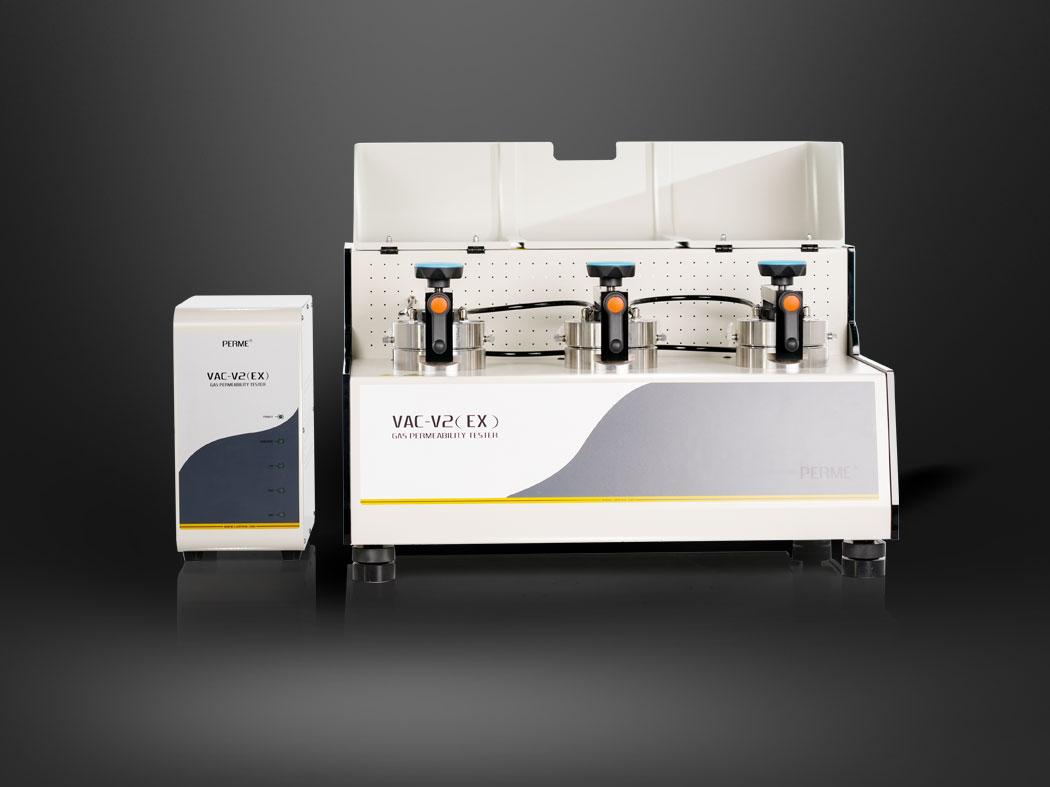
1.The Primary Purpose: Shelf Life Determination and Product Protection
The chief reason we conduct a gas permeability test is to determine the rate at which atmospheric gases, primarily oxygen, penetrate a flexible barrier. The purpose here is directly linked to preserving the product inside:
Controlling Oxygen Damage: Oxygen acts as the primary catalyst for degradation in many high-value products. In food, oxygen leads to oxidation, rancidity of fats, color changes, and loss of vitamins, necessitating a strong barrier to maintain consumer acceptance. In pharmaceuticals, oxygen accelerates chemical breakdown (hydrolysis and oxidation) of sensitive active ingredients. The test provides the crucial Gas Transmission Rate (GTR), which is the necessary figure used to calculate the time it takes for oxygen levels inside the package to exceed the critical threshold for product spoilage.
Maintaining Modified Atmosphere Packaging (MAP) Integrity: For MAP applications, the packaging must not only keep ambient oxygen out but also retain beneficial gases like carbon dioxide or nitrogen inside at engineered concentrations. A multi-function gaspermeation test confirms the barrier is effective for both ingress and egress of various gases, ensuring the intended internal atmosphere remains stable throughout distribution and storage. This is vital for fresh produce and meat products.
Predicting Stability Across Climates: Temperature and humidity significantly impact the transmission rate of polymers. By conducting the test under controlled, simulated conditions (e.g., elevated temperature), we fulfill the purpose of predicting how the flexible barrier material will perform in various real-world environments, from refrigerated storage to extreme tropical climates, providing crucial data for global logistics.
2.The Analytical Purpose: Material Validation and Cost Optimization
For R&D and engineering teams, the test serves a crucial analytical and financial function. The gas permeability test provides the scientific basis for making material decisions, thereby fulfilling the purpose of material selection and cost control.
Intrinsic Material Comparison: The test allows us to calculate the Permeability Coefficient—the value that normalizes the GTR against the film’s thickness and pressure differential. This purpose is purely analytical: it enables engineers to make an accurate, apples-to-apples comparison of the inherent barrier capability of different polymer grades or laminates (e.g., comparing EVOH versus specialized nylon) without being misled by varying film thicknesses. This allows for informed substitution of materials.
Avoiding Over-Engineering: A reliable gas permeation test allows us to specify the minimum required thickness and barrier layer for a guaranteed shelf life. This fulfills the purpose of cost optimization by preventing the costly mistake of using thicker, more expensive, or overly complex multi-layer structures when a thinner, lower-cost material is proven to be sufficient by the test results. Material reduction also aligns with sustainability goals.
Validating New Structures for Sustainability: As we develop new, customizable flexible barrier solutions—such as single-material films for easier recycling or thinner structures for source reduction—the test's purpose is to rapidly and reliably validate that these novel materials meet the target OTR transmission specifications without compromising product safety.
3.Labthink's Solution: High Precision Gas Permeability Tester
To achieve these critical purposes, the instrumentation must deliver high precision and high repeatability. Our VAC-V2Gas Permeability Tester is specifically engineered for this demanding analytical environment, utilizing the Differential Pressure Method (as per ASTMD1434).
The VAC-V2 fulfills its purpose as a high quality gas permeability tester through several key features:
High Precision and Sensitivity: The instrument uses imported vacuum sensors to monitor minute pressure increases in the evacuated chamber. This ensures the necessary high precision for testing ultra-high barrier films, providing reliable data for regulatory requirements and detecting the lowest transmission rates.
Long Lifespan and Reliability: The system is built with a high quality vacuum pump and robust components, giving it along lifespan suitable for continuous operation in a demanding QC environment, fulfilling the purpose of a long-term investment rather than short-term expenditure.
Multi-Function Testing: The gas permeation test should not be limited to just one type of gas. The VAC-V2 offers multi-function capability, as it can be easily configured to test different on-corrosive gases, expanding the instrument's utility across different MAP applications and specialized packaging requirements.
High Repeatability and Efficiency: Featuring three independent test cells, the VAC-V2 allows for the simultaneous testing of three samples under identical, controlled conditions. This design increases throughput significantly and ensures high repeatability, which is vital when validating production batches and comparing samples against control materials.
Automated Data Handling: The instrument’s professional software automates the complex calculations from the measured pressure change to the final GTR and permeability value. This reduces human error and fulfills the purpose of providing fast, reliable data suitable for direct integration into quality management systems.
4.The Regulatory and Quality Assurance Purpose
A key purpose of the gas permeability test in the B2B world is to support regulatory compliance and quality assurance.
Due Diligence and Traceability: Data generated by the gas permeability tester serves as verifiable evidence of due diligence, protecting the manufacturer against claims of product degradation due to packaging failure. This fulfills the purpose of providing an auditable quality record for every batch of flexible barrier material used.
Supplier Validation: Manufacturers rely heavily on consistent material quality. The test fulfills the purpose of validating material suppliers by providing objective evidence that incoming film batches meet the strict barrier specifications detailed in the purchasing agreement.
Global Standard Adherence: By testing according to internationally recognized standards (ASTM, ISO), the test fulfills the purpose of allowing companies to market their products globally, ensuring their packaging meets the baseline requirements of different regulatory bodies, thereby unlocking new international markets.
Conclusion
We at Labthink focus on equipping our clients with tools like the VAC-V2 that meet the purpose of providing reliable, actionable data, transforming the gas permeation test from a simple quality check into a competitive business advantage that sustains product integrity and brand reputation.