
We, as professionals focused on quality assurance, research and development (R&D), and manufacturing across the food, pharmaceutical, and soft packaging industries, know that a product is only as secure as its container. The integrity of the packaging system is the critical factor determining shelf life, safety, and brand value.
At Labthink, we define package testing not merely as a single procedure, but as a comprehensive, scientific program. It involves subjecting packaging materials and finished packages to controlled, measurable physical and environmental stresses. For our core focus—flexible packaging materials like films, pouches, and laminates—this testing provides the quantitative data necessary to predict performance during manufacturing, storage, transit, and consumer use.
This article details the meaning and purpose of a robust package testing program, emphasizing the essential analytical measurements specific to flexible materials that our testing Instruments are designed to deliver.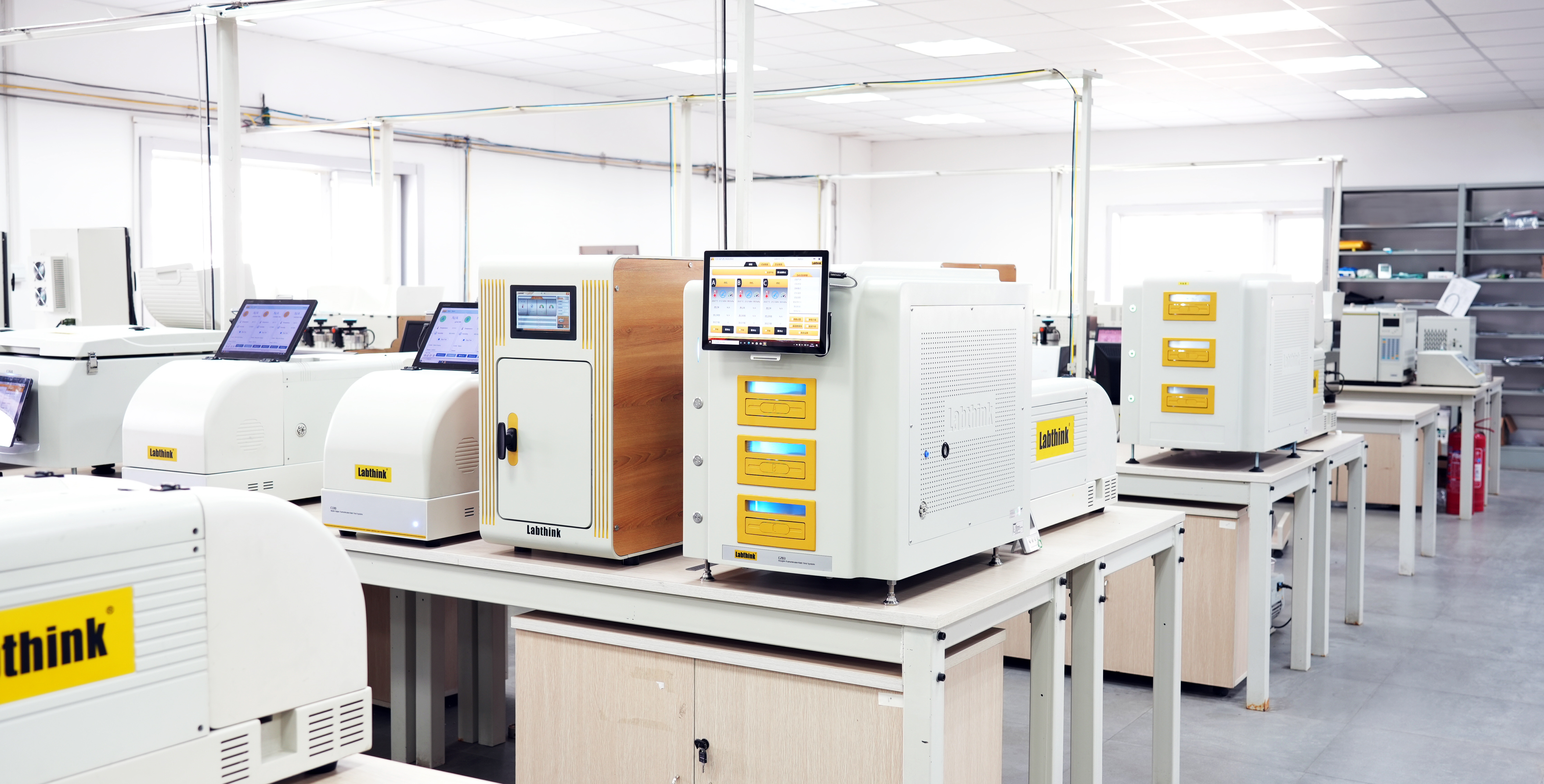
1. The Core Purpose of Package Testing
The overarching meaning of package testing is to ensure that the packaging fulfills its primary mission: to protect the product from environmental, physical, and chemical hazards throughout its lifecycle. For manufacturers and quality control (QC) personnel, this process translates into three core objectives:
Product Protection and Shelf Life: Packaging must maintain a controlled internal environment. Testing verifies that materials block or resist external factors (like oxygen, moisture, and light) that cause degradation, contamination, or spoilage.
Regulatory Compliance: Numerous international standards (like ISO, ASTM, and specific regulatory requirements for food and pharmaceuticals) mandate specific test methods. Package testing provides the verifiable documentation required to meet these legal and industry standards.
Cost and Design Optimization: By scientifically quantifying material’s performance, we can avoid costly failures, prevent over-packaging, and optimize material selection. Testing helps R&D teams innovate efficiently, reducing time-to-market for new products.
2. Focusing on Flexible Materials and Their Property
Our expertise at Labthink centers on the vulnerabilities inherent in flexible packaging—materials characterized by their malleability, Ulti-layered structure, and reliance on sealed edges for integrity. Unlike rigid containers, a flexible package’s protective function depends entirely on the material layers and the strength of the seal. Therefore, package testing must be organized into categories that address these specific failure points.
We organize our testing philosophy into three essential categories: Barrier Performance, Mechanical Durability, and Seal Integrity.
3. Essential Categories of Flexible Package Testing Instruments
A modern laboratory requires specialized testing Instruments to accurately and reliably measure the distinct properties of films and laminates. Below, we detail the core testing types essential for flexible packaging.
4.Barrier Performance Analysis
Barrier performance determines a package's ability to resist the ingress or egress of gases and vapors, directly impacting product stability and shelf life.
Oxygen Transmission Rate (OTR): This measurement quantifies the volume of oxygen gas that passes through a film over a specific time and area. Labthink provides instruments that precisely measure OTR, a crucial test for oxygen-sensitive products (like processed meats, coffee, and certain pharmaceuticals) that are susceptible to oxidative rancidity and degradation.
Water Vapor Transmission Rate (WVTR): This test measures the rate at which water vapor permeates the flexible material. Maintaining the correct moisture content is vital; WVTR testing, which we facilitate with reliable testing Instruments, prevents dried goods from becoming wet and moisture-sensitive electronics or drugs from degrading.
Other Permeation Tests: Depending on the product, we also consider the permeation rates of other gases, such as nitrogen and carbon dioxide, especially relevant for Modified Atmosphere Packaging (MAP)applications used extensively in the food industry.
5.Mechanical Resistance and Material Integrity
These tests measure how well the flexible material withstands physical stress, ensuring the package survives high-speed filling lines and the rigors of distribution.
Tensile Strength and Elongation: We measure the force required to stretch a film until it breaks and how much it stretches before failure. This data is critical for understanding the material's behavior on production lines and its resistance to handling stresses.
Puncture Resistance: This test simulates impact from sharp objects, whether from a product's irregular shape internally or external contact during shipping. Our instruments help quantify a flexible film’s ability to resist piercing, a key factor in preventing catastrophic breaches.
Coefficient of Friction (COF):We measure the static and kinetic friction of a film’s surface. This seemingly small detail is vital for manufacturing; if the COF is too high or too low, films may snag on production machinery or slip off conveyor belts. Labthink's testing ensures optimal film performance on packaging lines.
6. Seal Integrity and Package Leak Testing
The seal is the most common point of failure for flexible packages. Testing ensures the seal is robust, consistent, and hermetic(airtight).
Heat Seal Strength (Peel Test): This test measures the force required to pull apart a heat-sealed joint. R&D teams use this test to determine optimal sealing parameters (temperature, time, and pressure), while QA/QC uses it for production quality checks. Labthink's instruments are used across the industry to provide accurate, repeatable seal strength data conforming to international standards.
Burst and Creep Testing: These tests simulate internal pressure stresses, such as those caused by altitude changes during transport or gas buildup from microbial activity.
Burst Testing: We rapidly increase internal pressure until the seal fails, measuring the maximum pressure the package can withstand.
Creep Testing: We apply a steady, lower pressure over time to check for seal deformation or slow failure under sustained stress.
Package Leak Testing: We use methods like vacuum decay or bubble emission to identify leaks in a finished package. Labthink’s dedicated package leak and seal strength testing Instruments are essential for verifying the long-term sterility of medical device pouches and the freshness barrier of food packages.
Conclusion
Package testing is the quantifiable assurance of product integrity. It is the scientific process that allows us to move from theoretical material data to reliable product performance in the soft packaging, food, and pharmaceutical industries.
By investing in and rigorously applying a holistic package testing program—from barrier analysis (OTR/WVTR) to mechanical resistance(Tensile/Puncture) and seal integrity (Burst/Leak)—companies can mitigate risk, ensure regulatory compliance, and deliver maximum product quality. Labthink remains a dedicated provider of the specialized testing Instruments necessary to execute these crucial tests with the accuracy and repeatability demanded by global R&D and quality control professionals.