
In our experience as a supplier, we understand that material testing machines are fundamental to your laboratory's success. They provide the critical data you need to ensure your materials meet specifications and perform reliably. This allows you to mitigate risks, improve product quality, and innovate with confidence. Ultimately, these instruments are a cornerstone for quality control and research and development across countless industries.
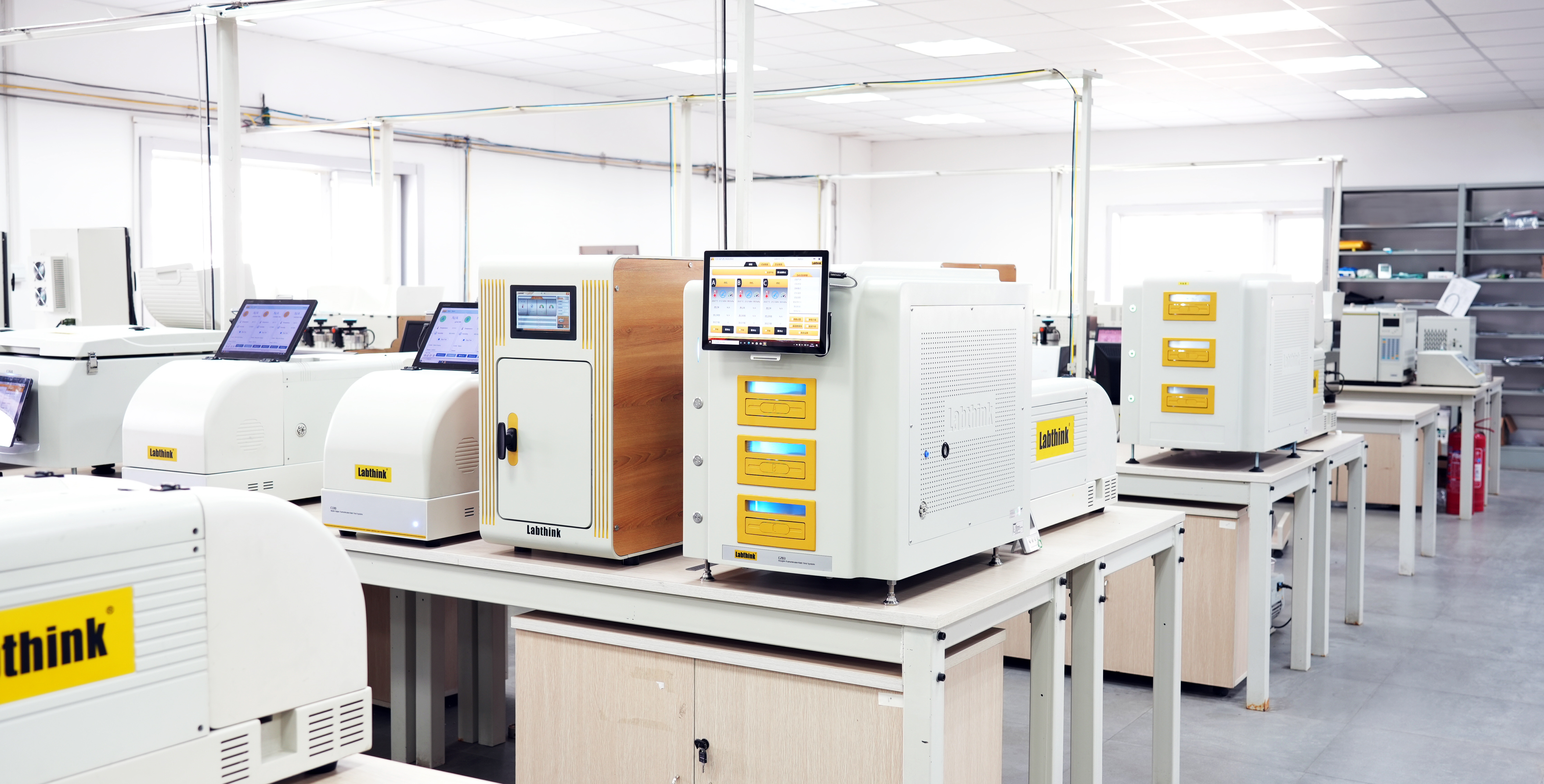
Material Quality Verification
Material testing machines are used in laboratories to verify that incoming raw materials or finished products conform to specified standards and regulations. This process, often called quality assurance or quality control (QA/QC), involves subjecting samples to controlled forces to measure properties like tensile strength, elongation, and compression. By identifying inconsistencies or substandard materials early, laboratories help prevent production failures and ensure final product integrity. This is crucial for packagingmaterial testing. The data generated provides objective evidence of quality, supporting compliance with international standards and building trust with customers and regulators. This verification is a fundamental step in any robust manufacturing and supply chain process.
Product Performance Evaluation
Beyond simple verification, these machines are vital for evaluating how a material or component will perform under real-world conditions. such as impact, kneading and creasing, compression, or environmental temperature and humidity, to predict product lifespan and durability. This performance data is essential for research and development, enabling engineers to compare different material grades, optimize designs, and identify potential failure points before a product reaches the market. We at Labthink provide the tools necessary for these complex analyses. This proactive evaluation helps in creating safer, more reliable, and longer-lasting products, ultimately reducing warranty claims and enhancing user satisfaction. It transforms subjective assumptions into quantifiable performance metrics.
Material Property Data
The primary use of a material testing machine is to generate precise and reliable data on the intrinsic properties of a substance. This includes quantifying fundamental characteristics such as elasticity, plasticity, yield strength, and hardness. This data forms the foundation for material selection in engineering design, finite element analysis (FEA), and material science research. Having accurate property data allows designers to use materials more efficiently, potentially leading to lighter, stronger, and more cost-effective products. Laboratories provide this essential information, creating material datasheets that are referenced across the industry. This objective data is indispensable for innovation, allowing for the development of new materials and the improvement of existing ones for future applications.
Conclusion
We at Labthink are a technology company that develops and manufactures precision instruments and testing solutions for packaging materials analysis. From our own laboratory facilities, we provide testing services to support your projects. Our company is headquartered in Jinan, China, and an international headquarters in Boston and we have additional branches in Germany, Malaysia, and Dubai to serve a global clientele. Our product range as a materialtesting lab equipment’s supplier includes instruments with proprietary sensors and integrated data management to meet your laboratory’s needs.