
In the world of material testing and quality assurance, understanding how gases move through packaging materials is essential. At Labthink, we focus on precise evaluation of barrier properties using instruments such as the gas permeability tester and the CO2 transmission rate tester. These tools help manufacturers and researchers measure how much carbon dioxide (CO2)passes through a material over a given time, which can influence product performance in many industries.
What Is CO2Transmission Rate Testing?
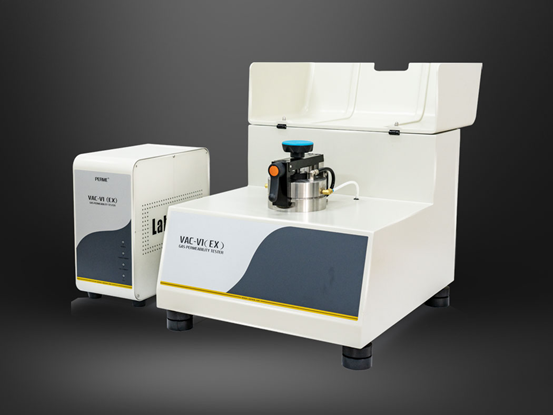
CO2 transmission rate testing is a specific type of gas permeability measurement that focuses on how carbon dioxide permeates through films, composites, and other barrier materials. this is done using a specialized instrument, often referred to as a CO2transmission rate tester, which forms part of our broader gas permeability tester series. These testers measure the gas transmission rate (GTR), including CO2, by monitoring how gas moves across a material under controlled conditions.
At Labthink, our testers follow recognized international standards and are designed to provide consistent, reproducible data on gas movement. This includes adaptable testing conditions for temperature and humidity to match real-world scenarios.
Why CO2Transmission Rate Matters
Food and Beverage Shelf Life:
In food packaging, carbon dioxide plays a significant role. Many products, especially carbonated beverages and modified atmosphere packaging (MAP), rely on controlled CO2 levels to maintain quality and freshness. If CO2 escapes too quickly through the packaging, products may lose carbonation or spoil more rapidly, affecting taste and shelf life. Accurate CO2 transmission rate data allows packaging engineers to select or design materials that maintain product quality throughout its intended lifespan.
Material Selection and Product Integrity:
Different materials have varying barrier properties. Knowing the CO2 transmission rate helps in comparing films, laminates, and other substrates to determine which are most suitable for specific applications. For example, high-barrier materials with low transmission rates are ideal for products that are sensitive to gas exchange. By using a reliable CO2 transmission rate tester, manufacturers can make data-driven material choices, reducing the risk of product failure or degradation.
Regulatory Compliance and Quality Assurance:
Many industries are subject to regulatory standards that require accurate gas permeability data. Whether in food, pharmaceuticals, or other sensitive products, documenting the CO2 transmission rate is part of ensuring compliance with safety and performance criteria. A high degree of testing accuracy supports certification processes and instills confidence in end-users.
Research and Development Insights
Understanding how carbon dioxide interacts with material structures can guide innovation. Whether developing new packaging films or improving existing ones, CO2 transmission rate data offers insight into molecular-level interactions between gases and material matrices. This enables product developers to optimize performance, enhance barrier properties, and tailor solutions to specific market needs.
Conclusion
A gas permeability tester, including a CO2transmission rate tester, provides valuable insight into how gases like carbon dioxide move through materials. For industries where product quality, shelf life, and regulatory compliance are top priorities, measuring CO2transmission rates accurately is an important aspect of material evaluation and development. At Labthink, we support these needs by offering testing solutions that adhere to international standards and deliver reliable, actionable data for material scientists and quality assurance teams alike.