
When dangerous gases migrate through packaging materials, the consequences can range from product spoilage to catastrophic safety failures. For industries handling volatile chemicals, pharmaceuticals, or perishable goods, controlling hazardous gas transmission is not a secondary concern—it is a foundation of risk management. Safety-critical packaging must act as an impenetrable barrier, and verifying that performance requires rigorous, repeatable testing.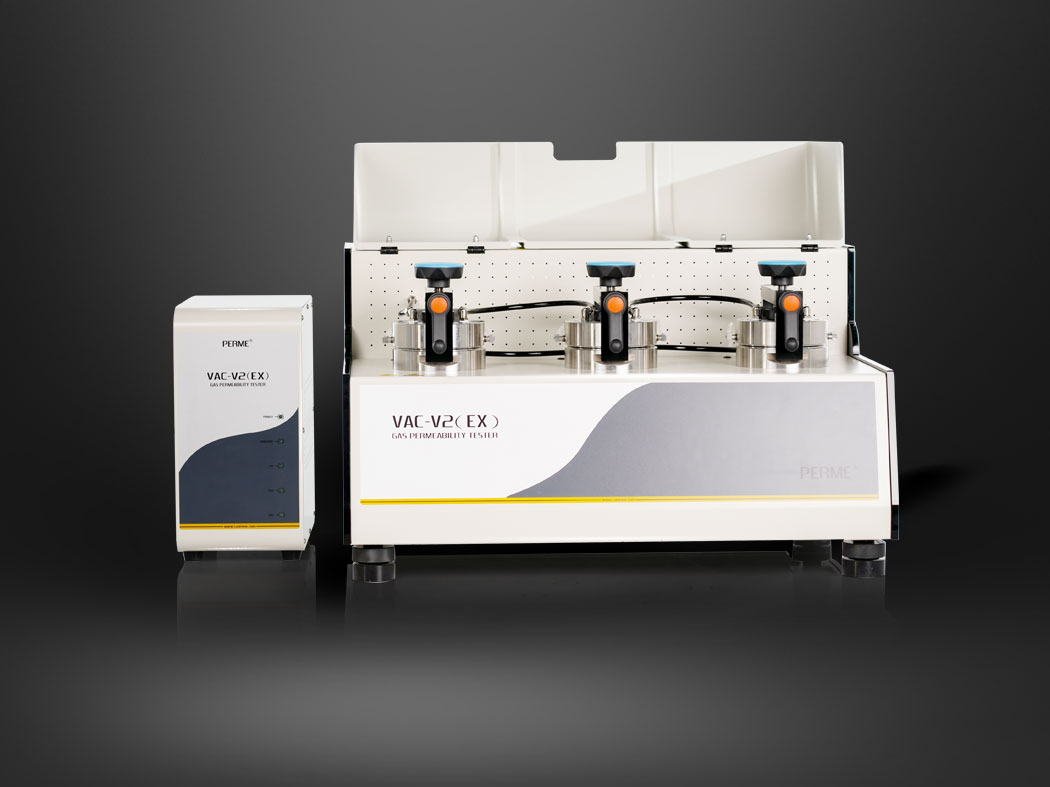
The Hidden Risk: Gas Permeation in Protective Barriers
Many packaging failures begin invisibly. Microscale pores or material inconsistencies allow hazardous gases—such as hydrogen (H2), methane (CH4), carbon dioxide, or toxic industrial vapors—to seep through seals, films, or laminates. Over time, even minimal permeation can diminish the packaging designed purpose, or create explosive environments. This is where a gas permeability test becomes indispensable. Unlike simple leak detection, agas permeability test quantifies the steady-state rate at which a specific gas crosses a material under controlled conditions. For safety-critical applications, such as chemical barrier bags or pharmaceutical blister packs, knowing the exact gas transmission rate (GTR) allows engineers to select materials that meet strict threshold limits. Without this data, packaging is essentially a gamble. Labthinkprovides the precision instruments needed to eliminate this uncertainty.
Meeting Standards Through Precision Measurement
Regulatory frameworks like ASTM F1307 (for oxygen transmission) and ASTM D1434 (for general gas permeation) demand objective, verifiable data. Manual estimates or outdated methods leave room for error. A modern gas permeability test using differential pressure or coulometric sensor methods provides lab-accurate results across varying temperatures and humidity levels. For instance, testing CO? transmission in "respiring" food packaging ensures food shelf life. Methane is a potent, explosive, and toxic hazard, so testing its transmission rate ensures that the selected barrier is sufficiently impermeable. Adopting standardized gas permeability test protocols not only reduces liability but also streamlines material qualification—shortening development cycles while raising safety margins.
Why Our Approach Delivers Confidence
Across the Labthink Gas Permeability Tester series, we have built one of the most advanced and complete product lines for gas permeation analysis. From differential pressure method instruments to coulometric sensor–based oxygen transmission rate testers, our equipment supports ASTM gas permeability testing standards and adapts to diverse barrier materials, temperatures, and humidity levels. Whether you need a CO? transmission rate tester, materials H2 barrier performance test, CH4 permeation analysis, or a high-precision gas barrier tester for explosive environments, our family of gas permeation analyzers delivers repeatable, traceable results. We at Labthink understand that safety-critical packaging leaves no room for guesswork. By embedding rigorous gas permeability test data into your quality system, you protect not only your products but also your reputation. Let our technology be the silent guardian behind every seal.