
In the food industry, packaging engineers face a definitive "Goldilocks" challenge. Choose a material with too little barrier, and you end up with "stale-on-arrival" products that trigger brand rejection and costly returns. Choose a material with too much barrier—over-packaging—and you bleed margins while failing your company’sustainability targets.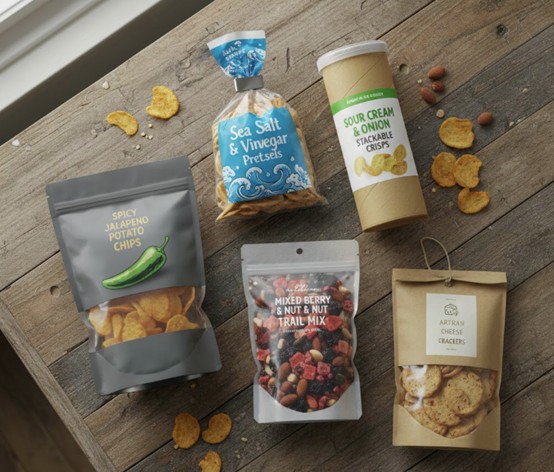
Finding the "just right" barrier level isn't a matter of guesswork; it is a data-driven mission. This guide explores how snack brands use precise testing to hit the sweet spot between product integrity and cost efficiency.
Defining the "Food Safety Zone"
Every snack has a threshold where it transforms from a premium treat into a consumer complaint. Identifying this zone is the first step in barrier selection.
1. The Moisture-Crunch Connection
For dry food, the quality is largely defined through Critical Moisture Content (CMC). This is the exact percentage of moisture gain where a snack loses its "snap" and becomes unmarketable. A barrier’s job is to ensure the Water Vapor Transmission Rate (WVTR) is low enough that the CMC is never reached before the expiration date.
2. Oxidation in High-Fat Snacks
Nuts, fried snacks, and extruded puffs are highly susceptible to oxygen. When oxygen permeates the package, it reacts with fats to create"off-flavors" and rancidity. Consumers are incredibly sensitive to these chemical changes, often associating them with poor manufacturing hygiene rather than simple packaging failure.
3. The Climate Factor
It is a common mistake to assume a "standard" barrier works globally. A bag that provides"enough" protection in a dry, temperate climate will often fail in high-humidity tropical markets. If your supply chain crosses borders, your barrier testing must account for the most aggressive environmental variables.
Finding the "Just Right" Barrier
How do you transition from"guessing" to "knowing" your shelf life?
- Benchmarking Performance: Start by measuring the WVTR of your current packaging. This data point tells you exactly how many milligrams of water vapor are entering your bag every 24 hours. Over a 6-month shelf-life target, those milligrams add up to a predictable percentage of moisture gain.
- The "Nitrogen Flush" Fallacy: The Reddit/Forum "Nitrogen Flush" question: "If I nitrogen flush, do I still need a high oxygen barrier?" address a common industry question. The Answer is yes. Nitrogen flushing only addresses the oxygen present at the moment of sealing. If your film has a poor barrier (high Oxygen Transmission Rate), oxygen will simply seep back into the bag within days, rendering the initial flush—and the investment in it—useless.
Integrated Testing: The C406H System
To streamline this process, manufacturers utilize Labthink C406H Oxygen/Water Vapor Transmission Rate Test System. This allows for the simultaneous testing of both OTR and WVTR on the same sample. By testing both variables in tandem, brands can ensure their "total barrier" is perfectly balanced for the specific sensitivities of their snack.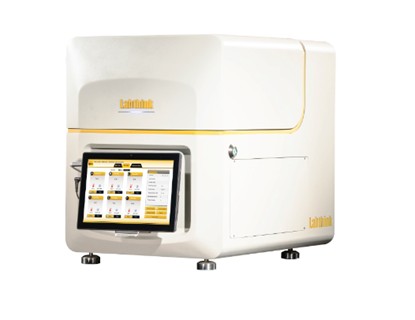
Section 3: Efficiency & Innovation Questions
"Can I switch to environmentally friendly recyclable mono-material without losing shelf life?"
This is the most pressing question in modern packaging. Multi-layer laminates are barrier powerhouses but are difficult to recycle. Moving to mono-materials often results in a barrier"drop-off." To make the switch without losing months of shelf life, you must use high-sensitivity testing to find advanced coatings or thicker mono-films that bridge the performance gap.
"How does altitude affect my seal integrity and barrier?"
Brands shipping snacks across mountain ranges or via air cargo face a unique challenge: pressure differentials. As altitude increases, the air inside the bag expands. If the seal or the material’s barrier is weakened by this physical stress, the OTR and WVTR can spike, leading to premature spoilage. Testing for "burst strength"alongside permeability is vital for high-altitude logistics.
Conclusion
Determining "how much barrier isenough" requires a move away from over-engineering and toward precision science. By identifying your product's Critical Moisture Content and validating your OTR/WVTR under real-world conditions, you can protect both your product and your profit margins.
Labthink is a global leader in providing the testing instrumentation necessary to find your "Goldilocks" zone. Fromhigh-precision sensors to integrated testing suites, we help snack brands deliver crunch and flavor, every time.