
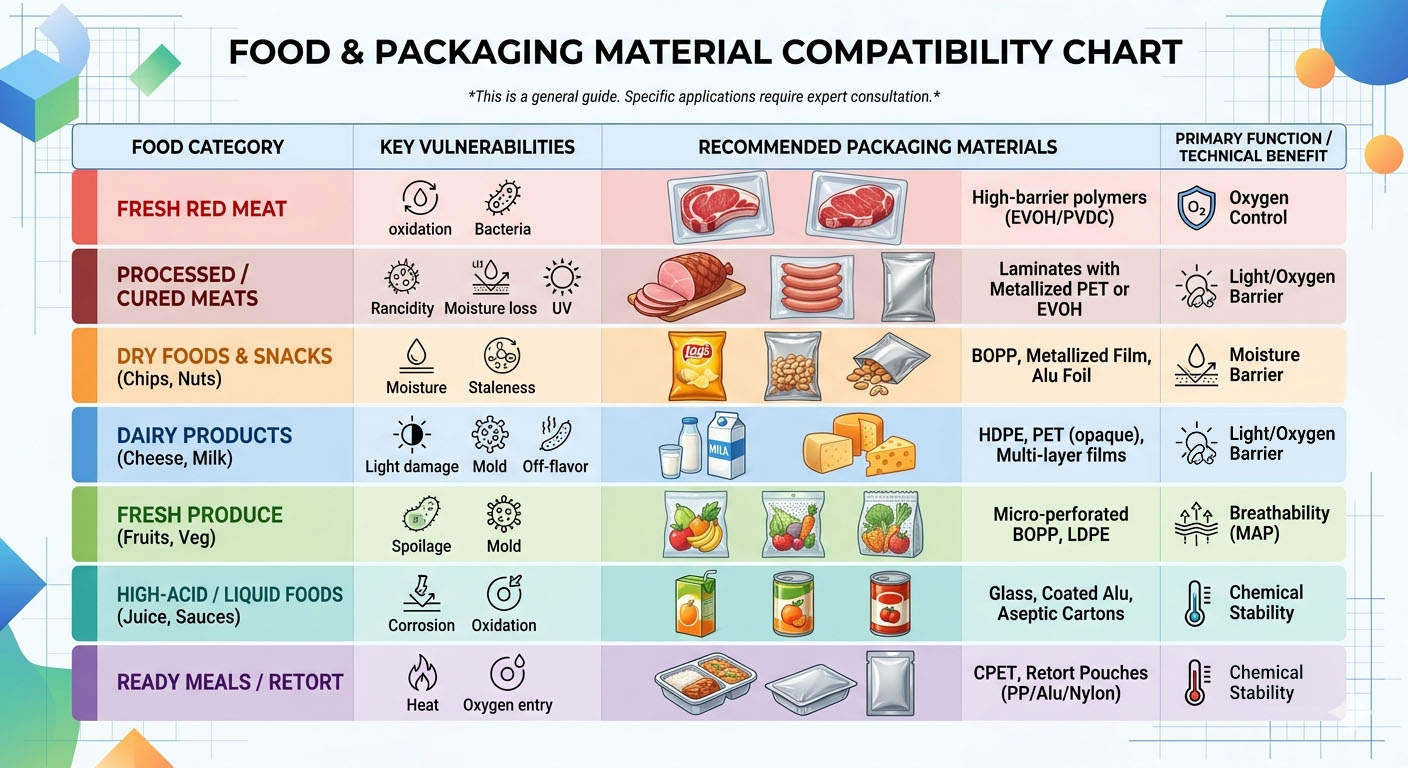
Selecting the right film for Modified Atmosphere Packaging (MAP) is not a "one-size-fits-all" decision. The choice depends entirely on the biological nature of the food being packaged. If the food is respiring (like fresh fruits and vegetables),it requires "breathable" films like PE to prevent suffocation. Conversely, if the food is non-respiring or cooked (like processed meats or snacks), it requires high barrier films containing EVOH or Nylon to block oxygen entirely and prevent spoilage.
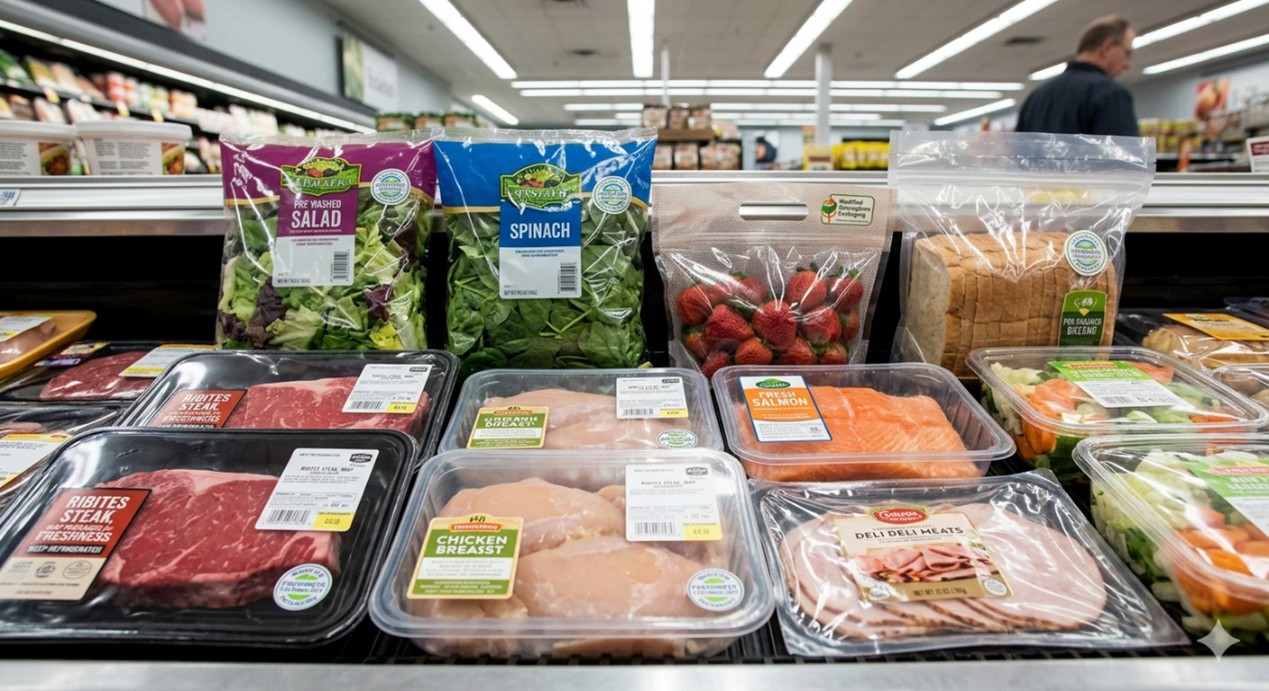
What is MAP Packaging and How Does it Actually extend Shelf Life?
MAP works by replacing the atmospheric air inside a package with a protective gas mixture (typically Carbon Dioxide, Nitrogen, and Oxygen). This gas flush targets three primary spoilage factors:
- Enzymatic Activity: By reducing oxygen levels, the speed of biochemical reactions that cause browning and softening is significantly slowed.
- Microbial Growth: High concentrations of CO2 inhibit the growth of aerobic bacteria and molds by increasing the acidity of the cellular environment.
- Oxidation: Flushing with Nitrogen—an inert gas—displaces oxygen, preventing the oxidation of fats and oils that leads to rancidity and off-flavors.
Why Do Cooked Foods and Fresh Produce require Completely Different Sealing Films?
The fundamental difference lies in whether the product is "alive" or "dead" from a metabolic standpoint.
- Non-Respiring (Cooked/Processed): Items like deli meats or pasta require an ultra-low oxygen environment. Without a high barrier, oxygen will seep back in, fueling mold growth.
- Respiring (Fresh Produce): Fruits and vegetables continue to take in O2 and release CO2 after harvest. If sealed in a high-barrier film, they consume all available oxygen, trigger anaerobic fermentation, and rot quickly. These products need films with specific "breathability" to maintain an equilibrium gas concentration.
How Do Nylon, EVOH, and PE Compare for Oxygen Isolation?
The efficiency of a film is measured by its Oxygen Transmission Rate (OTR). While ordinary Polypropylene (PP) might leave a package with residual oxygen over time, compounding layers can change the game. Adding an EVOH layer to Nylon can drop the OTR.
- High Barrier (Cooked/Meat): EVOH (the gold standard for gas blocking), Polyamide (Nylon), and PET.
- High Permeability (Produce): LDPE, LLDPE, and standard PP.
What Are the Best Materials Used in Modified Atmosphere Packaging?
- PET (Polyethylene Terephthalate): Offers excellent clarity and a strong barrier against moisture and oxygen. It is frequently used as the outer layer of lamination for its gloss and printability.
- Polyamide (PA/Nylon): Known for excellent puncture resistance. It is the ideal choice for raw meats with bones or frozen products that might pierce thinner films.
- Polyethylene (PE): While it is a great water vapor barrier, it has a low gas barrier. It is often used as the inner "sealant" layer because of its excellent heat-sealing properties.
- Polyvinyl Chloride (PVC): Commonly used for thermoformed base trays in MAP applications due to its rigidity and ease of forming into specific shapes.
How Do Micro-leaks Destroy Your MAP Effectiveness?
Even the most expensive EVOH high barrier films are rendered useless if the package has a "leaker."Seal integrity is the weak link of MAP packaging. If the heat seal is contaminated by food particles or if the machine pressure is inconsistent, the modified atmosphere will escape, and oxygen will rush in, equalizing with the outside air in a matter of hours.
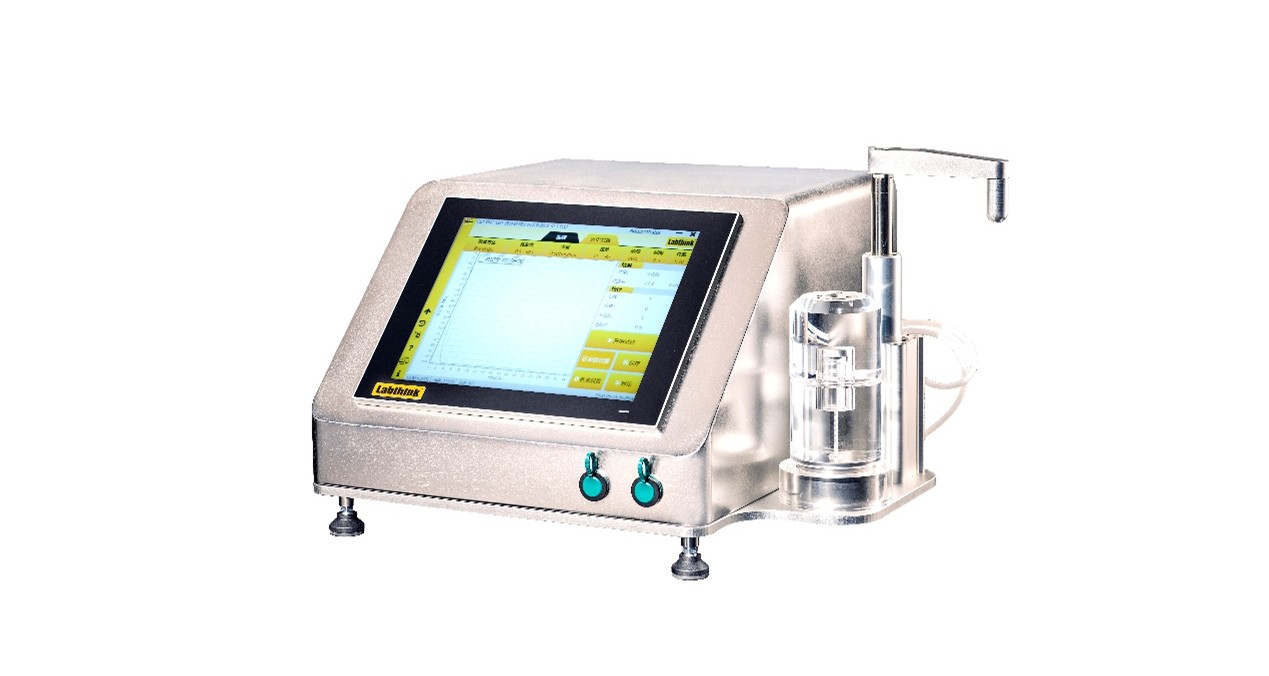
- Leak and Seal Strength Testing: Using non-destructive and destructive leak detection (such as the C690M Nondestructive Package Leakage Detector), manufacturers can verify that the final package—not just the film—is completely hermetic.
Why is Precision OTR and Leak Testing Critical?
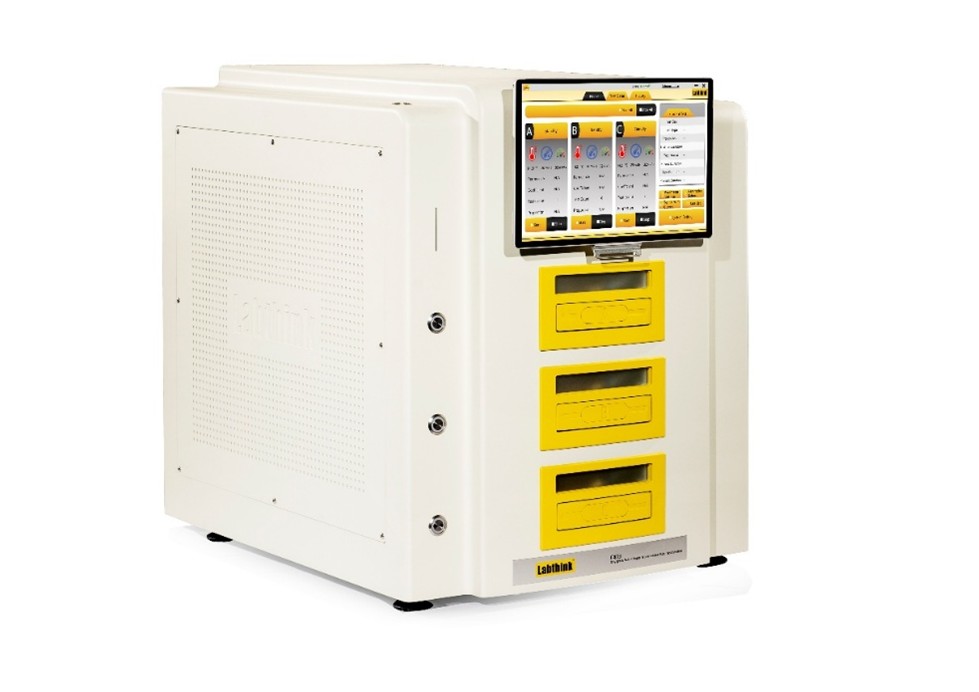
Before moving to mass production, it is vital to verify that your chosen film performs exactly as expected under real-world conditions. Labthink provides precision packaging testing solutions that prevent costly recalls:
- Oxygen Transmission Rate (OTR) Testing: Labthink’s C-Series instruments measure exactly how much oxygen permeates the film at specific temperatures and humidity levels.
- Water Vapor Transmission Rate (WVTR): Ensures the product doesn't lose moisture (weight loss) or gain moisture (soggy texture).
Conclusion
Successful MAP packaging is a science of balance. Whether you need the absolute isolation of an EVOH high-barrier film for cooked meats or the calculated permeability of PE for fresh produce, verifying your material's performance is the only way to ensure food safety.
Labthink Instruments is a global leader in providing professional quality control solutions for the packaging industry. With our advanced testing equipment, we help food producers worldwide ensure their barrier films meet the highest standards of integrity. Visit Labthink to find the right testing solution for your MAP application.